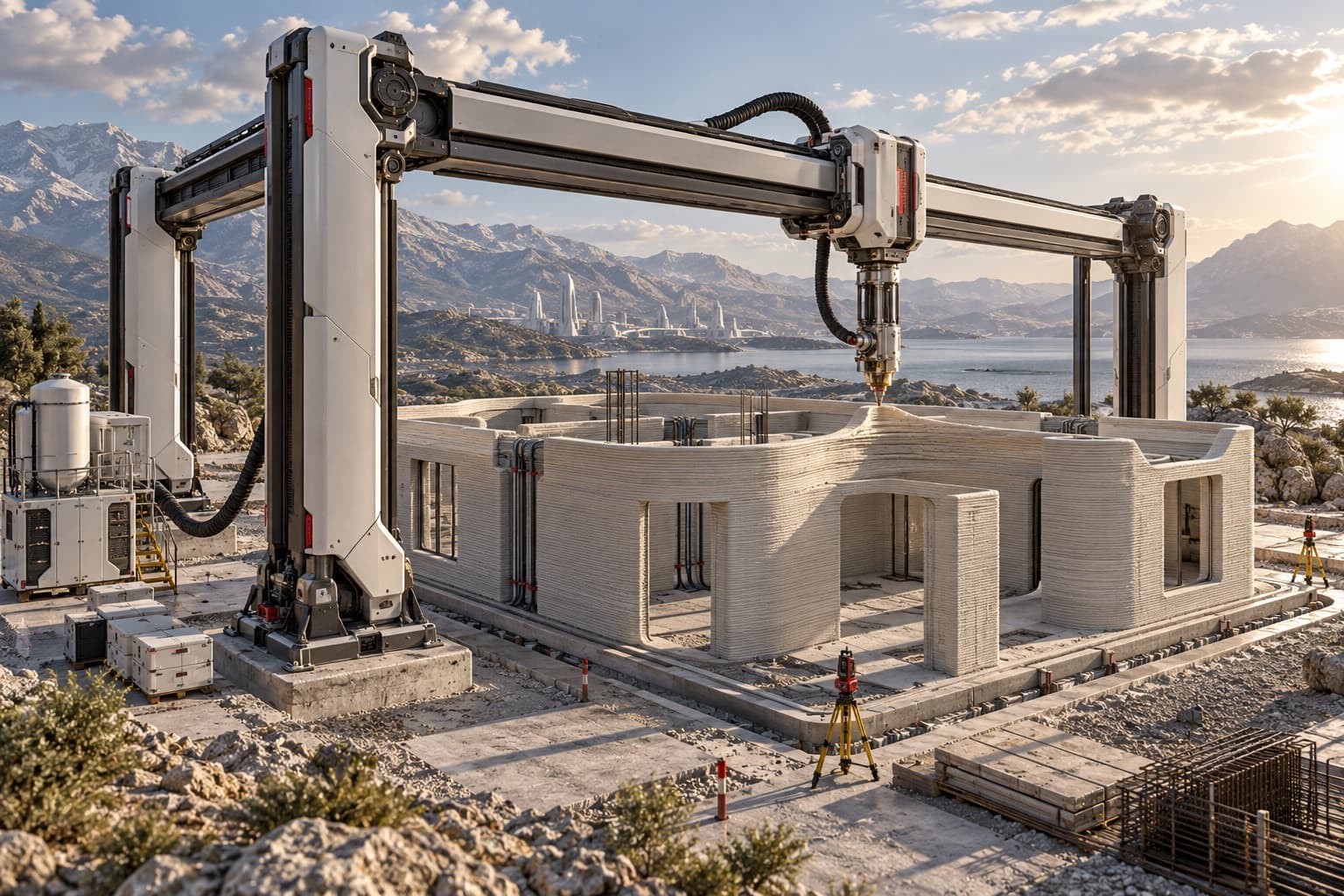
The ambition is industrial. The questions are specific.
Investor relations
A privately held portfolio spanning vehicles, machines, resources, biology, information, and the environments people enter. Explore the strategy and the evidence that an informed discussion requires.
The public portfolio
The current site presents 28 businesses, 348 program records, and 5 offices. These are website inventory figures, not financial or operating performance measures.
| Business | Published programs |
|---|---|
| Segal Aeronautics | 9 |
| Segal Aerospace | 36 |
| Segal Agriculture | 5 |
| Segal Airlines | 3 |
| Segal Architecture | 20 |
| Segal Chemicals | 9 |
| Segal Civil | 6 |
| Segal Compute | 3 |
| Segal Connect | 4 |
| Segal Consulting | 15 |
| Segal Defense | 12 |
| Segal Development | 6 |
| Segal Electronics | 5 |
| Segal Energy | 7 |
| Segal Fabrication | 6 |
| Segal Health | 6 |
| Segal Intelligence | 16 |
| Segal Living | 62 |
| Segal Materials | 10 |
| Segal Media | 3 |
| Segal Navy | 11 |
| Segal Plumbing | 41 |
| Segal Printing | 10 |
| Segal Rail | 9 |
| Segal Research | 9 |
| Segal Robotics | 11 |
| Segal Supply | 5 |
| Segal Textiles | 9 |
Space, air, sea, rail, and connections
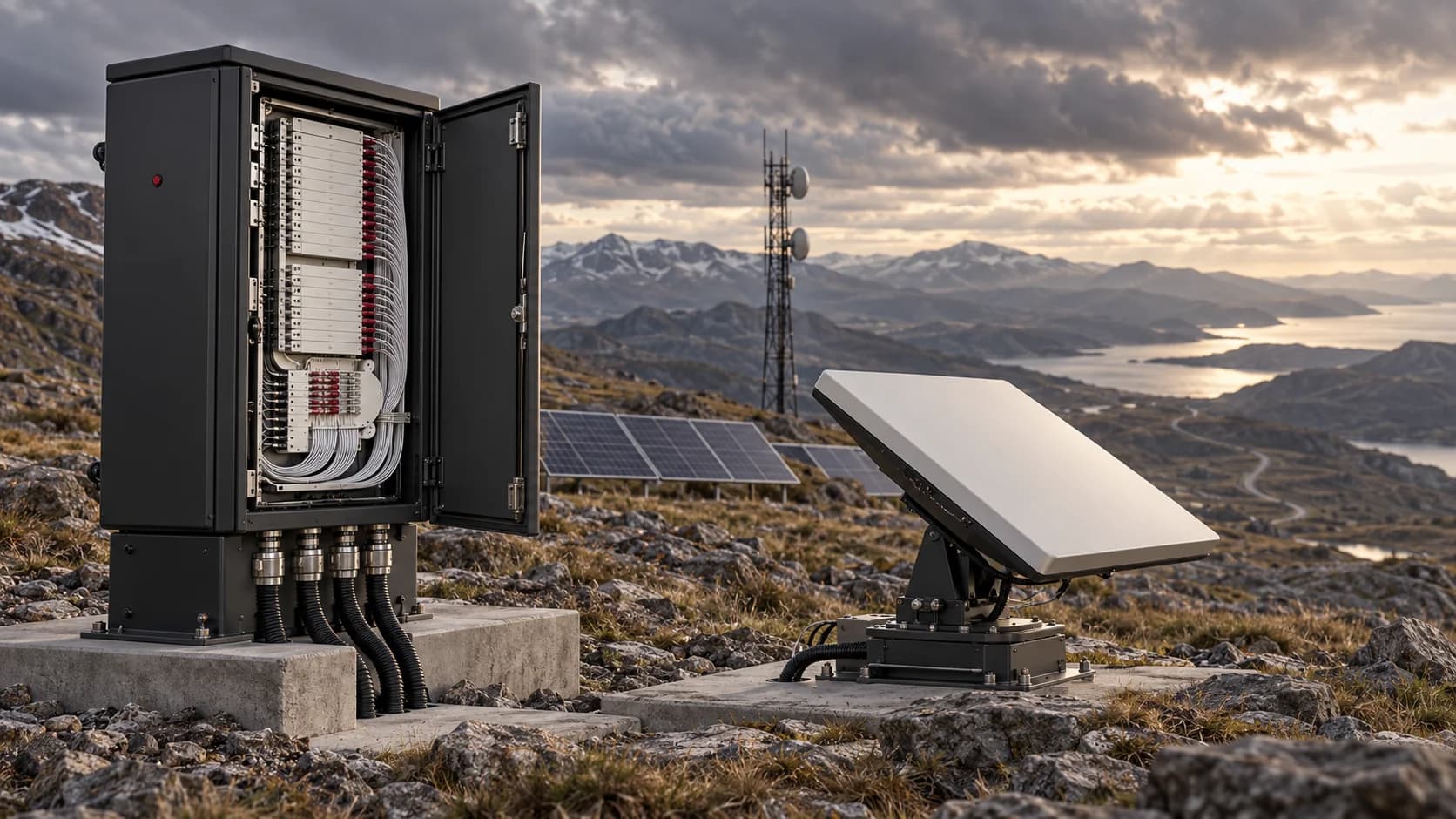
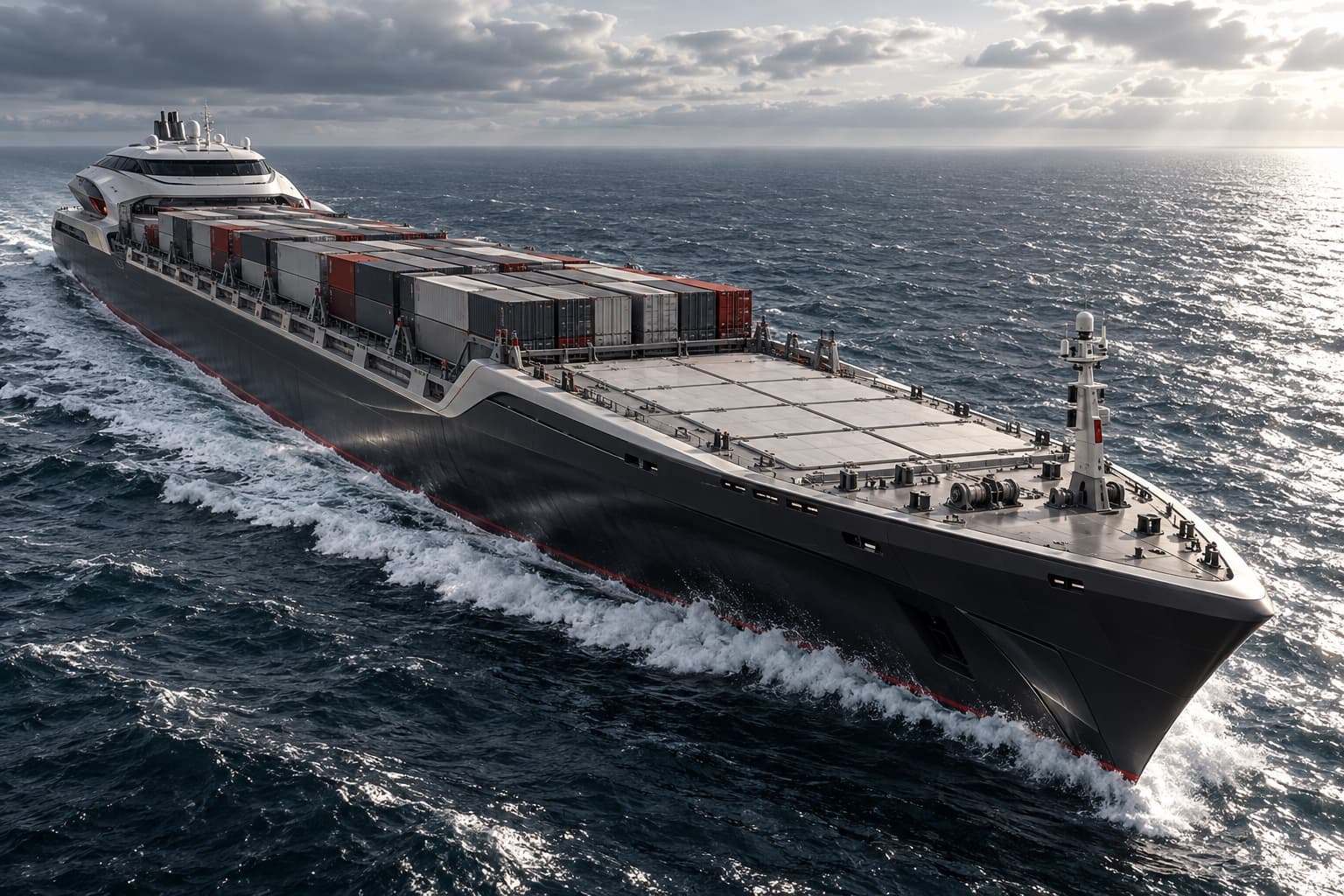
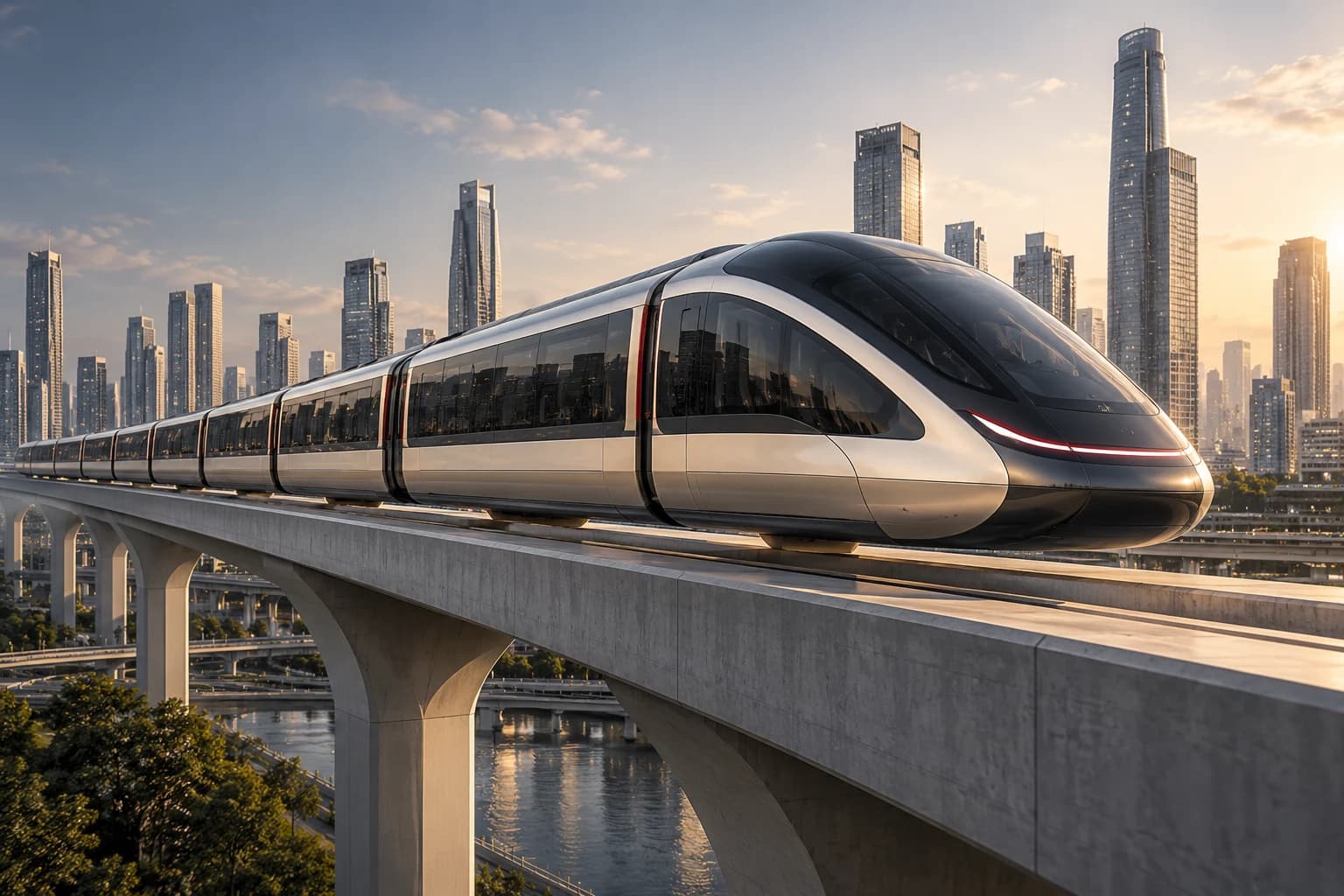
Aerospace, Aeronautics, Navy, Airlines, Rail, and Connect bring together vehicles, transport planning, and communications. A payload, a flight corridor, a cargo route, or a network requirement defines the system around it.
The work reaches beyond the vehicle: avionics, autonomy, communications, ground or shore infrastructure, and the people responsible for the mission belong in the same conversation. Availability and operating approvals are confirmed for each application.



Civil, intelligence, and mission systems
Civil, Defense, and Intelligence connect institutions and physical systems with the information used to understand an operating environment. Public services, sensing, communications, logistics, and analysis are considered in relation to the decision or task they support.
The distinction between a source, an inference, and a demonstrated result remains essential. Defense enquiries on this site stay unclassified. Proposed systems do not establish a government mandate or delivery status.

Robotics, computing, and electronics
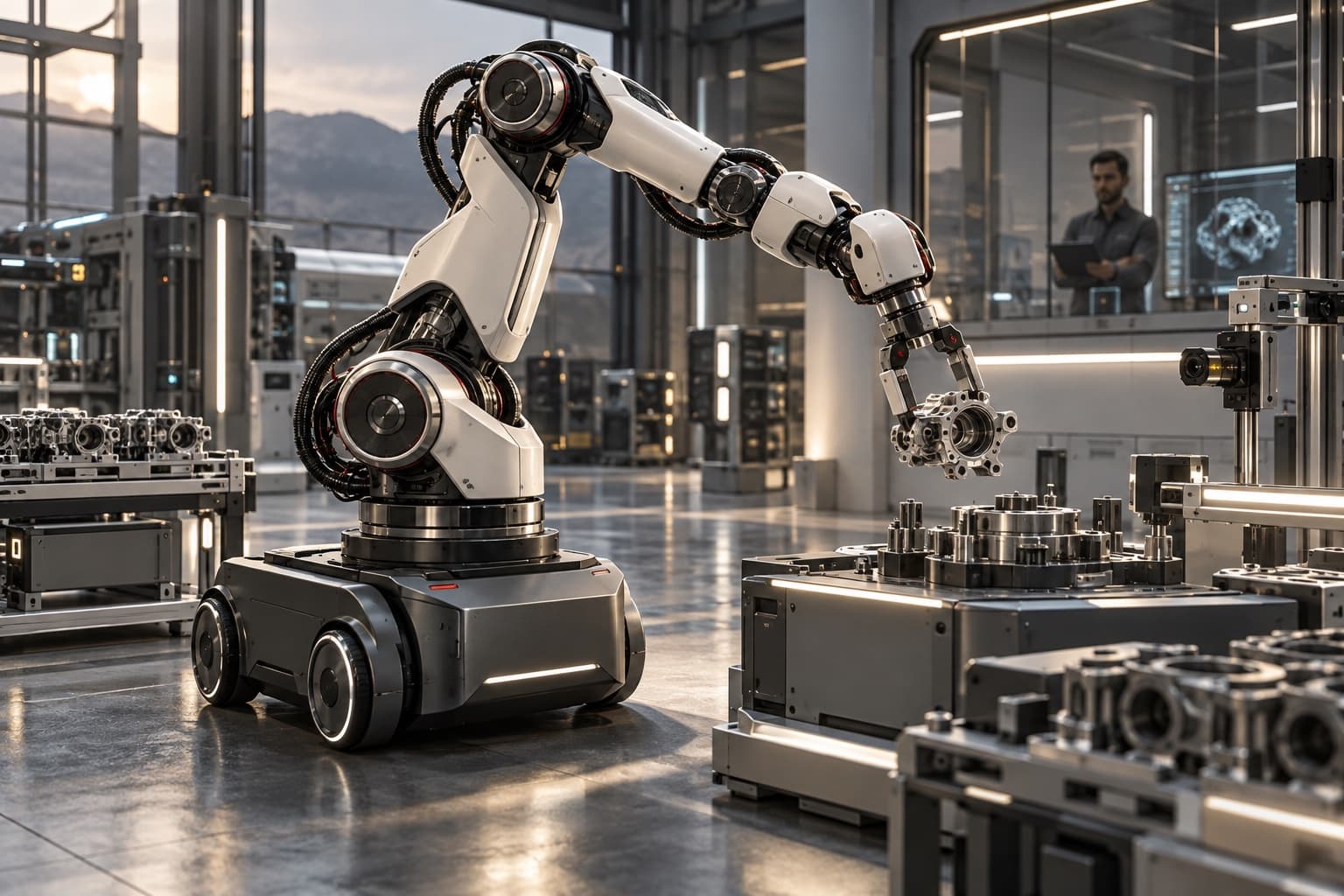
Robotics, Compute, and Electronics address the components that turn an idea into a working system: motion, sensing, processing, connectivity, and control. The interface between those parts often determines what the larger machine can do.
A joint must fit its load. A sensor must resolve the right signal. Software must act within the limits of the equipment and the environment. These businesses give those interfaces a common industrial focus.
Resources, materials, and production
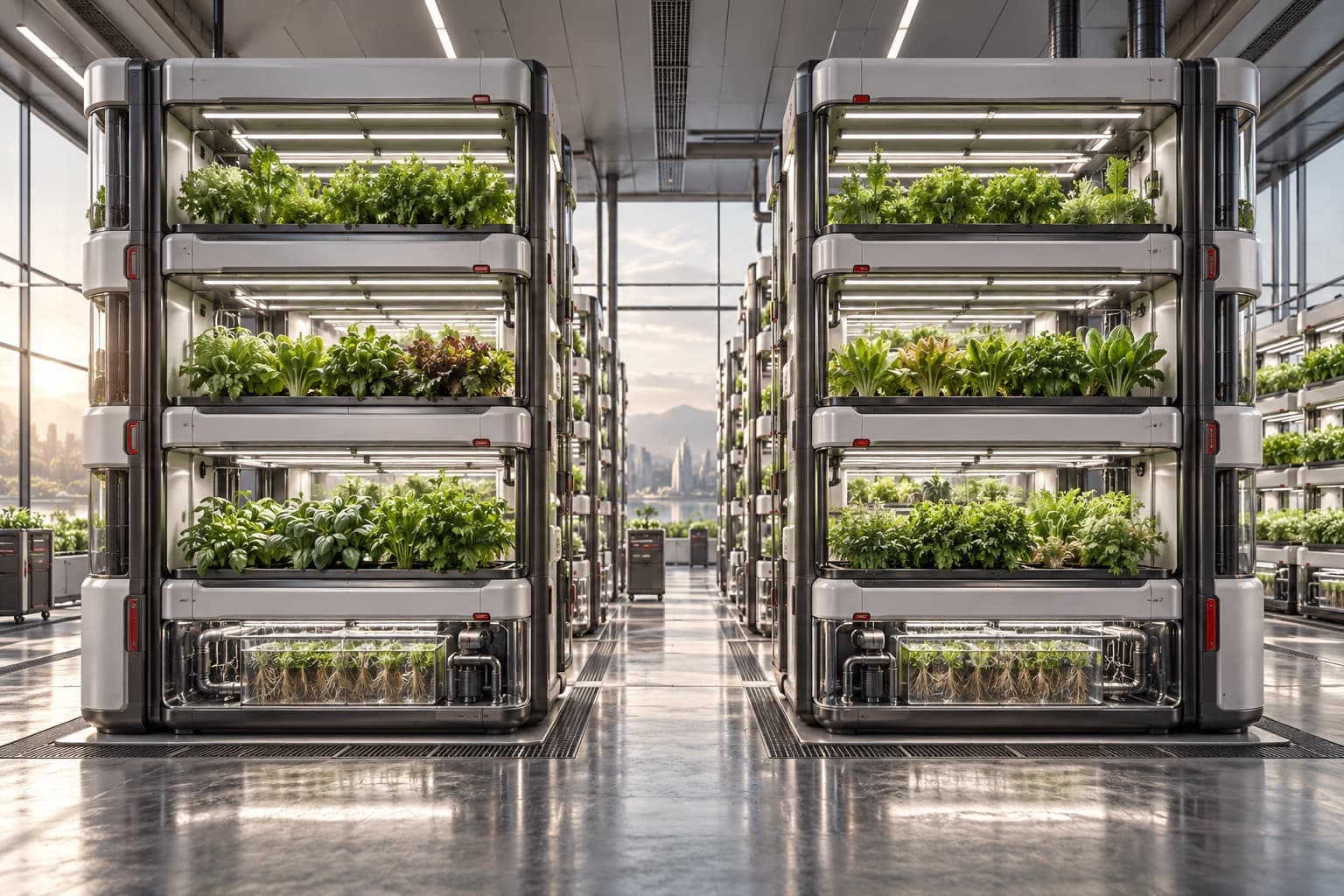
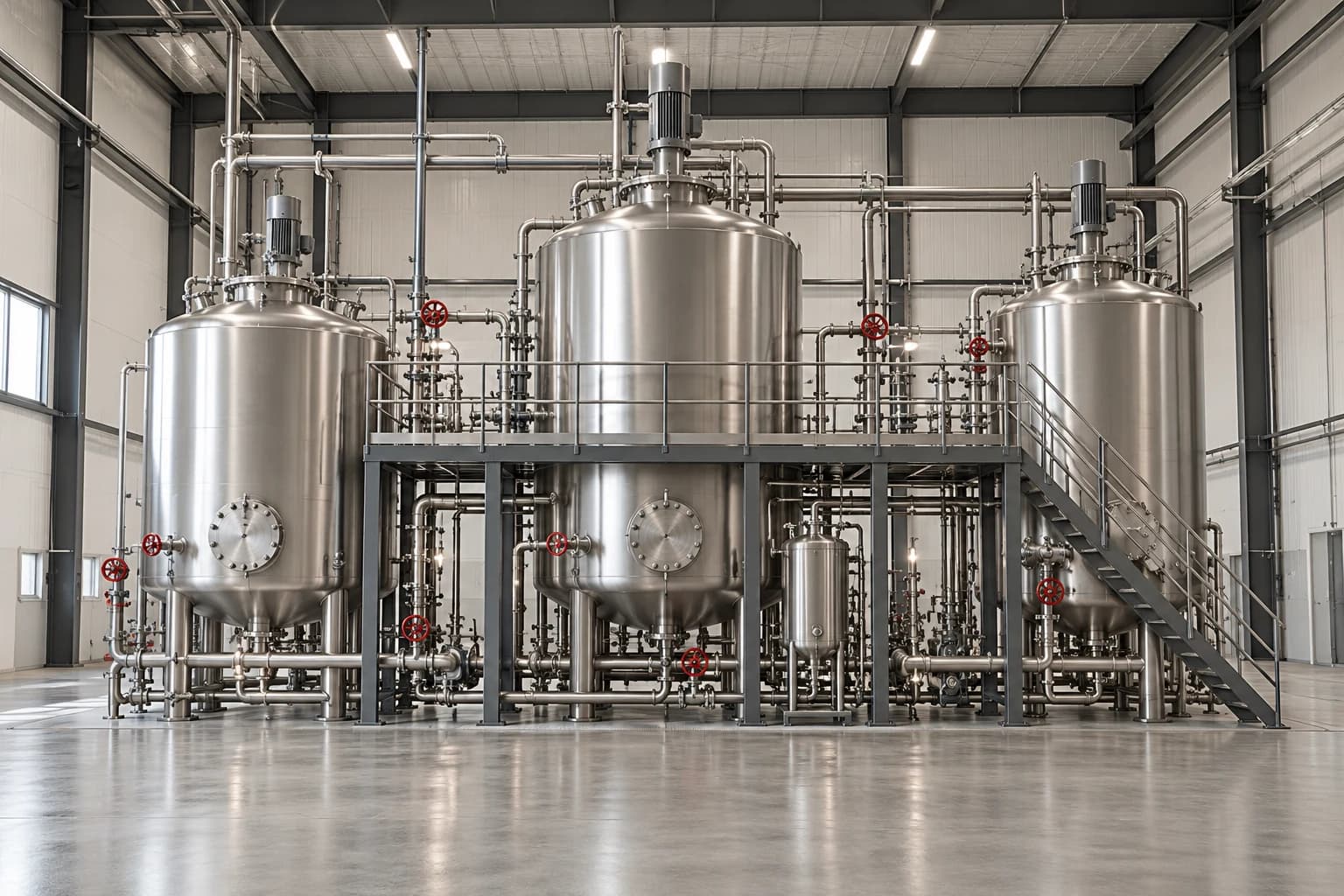
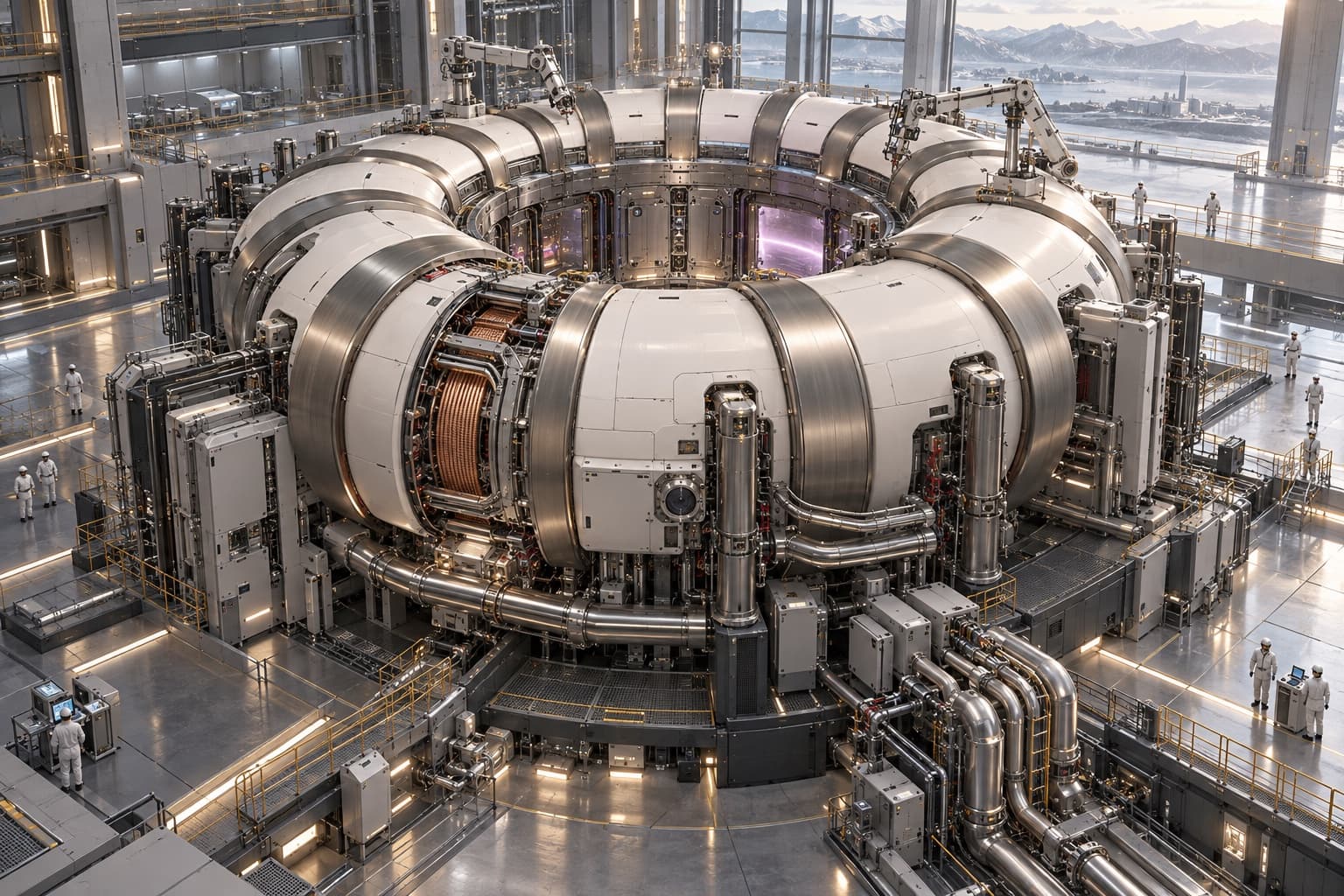
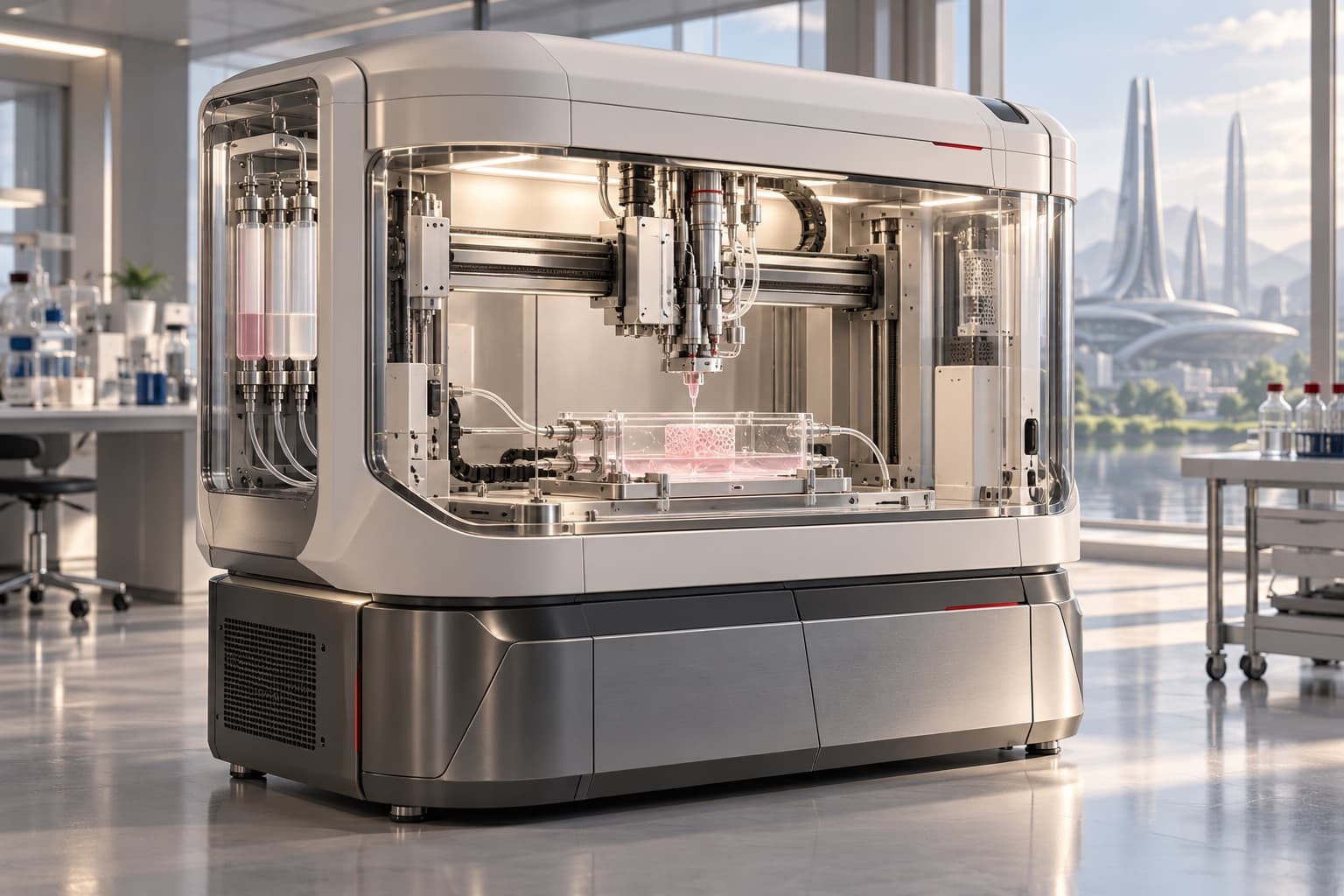
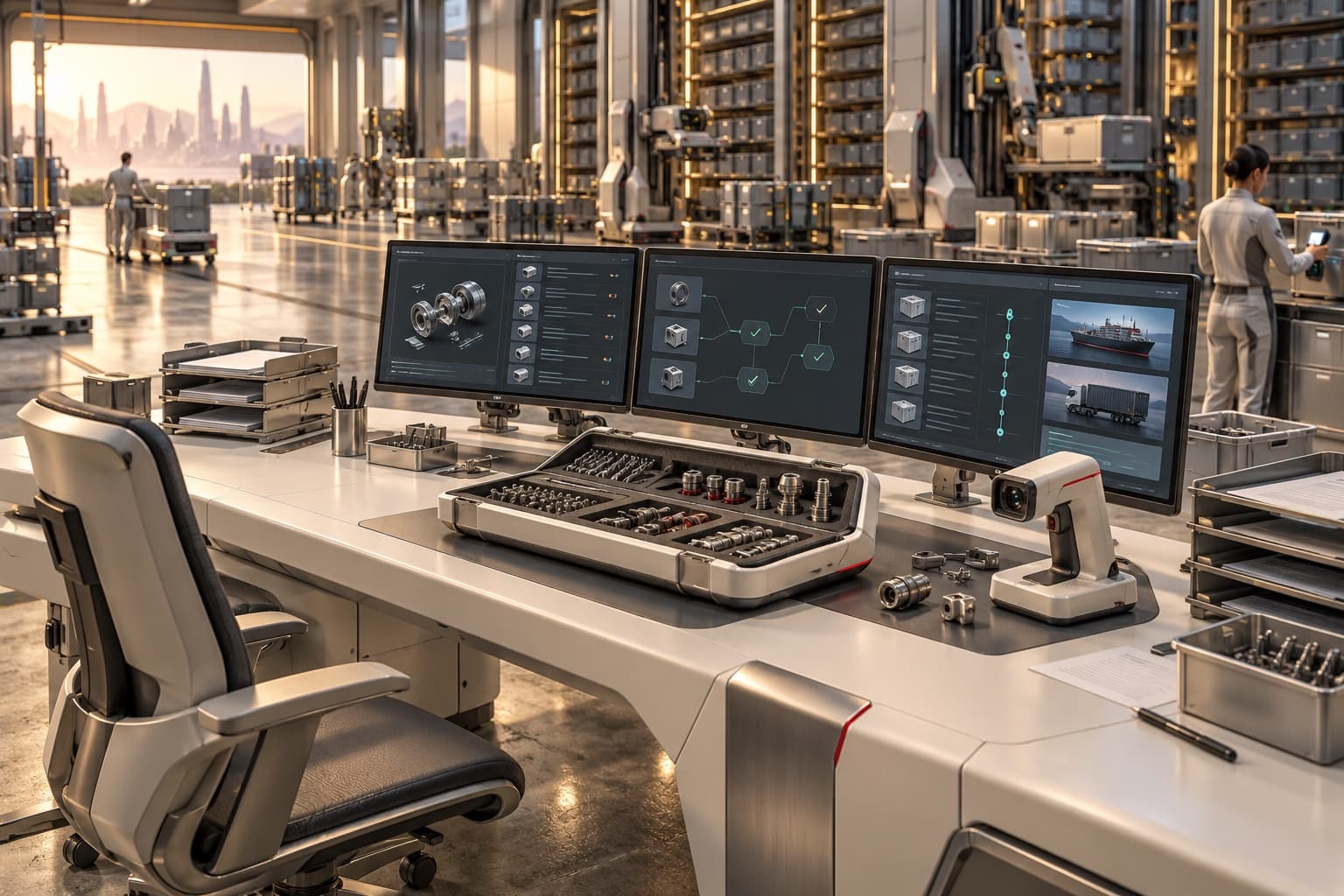
Energy, Fabrication, Agriculture, Health, Supply, Chemicals, Materials, Textiles, and Printing explore the processes behind industrial and biological production. Power, feedstocks, machinery, growing environments, living tissue, procurement, and finished goods each bring a different set of constraints.
Their connection is the process: what enters, what changes, what can be measured, and what leaves. Specifications, validation, and any relevant approvals are defined for the individual project.



Design, living, and the built environment
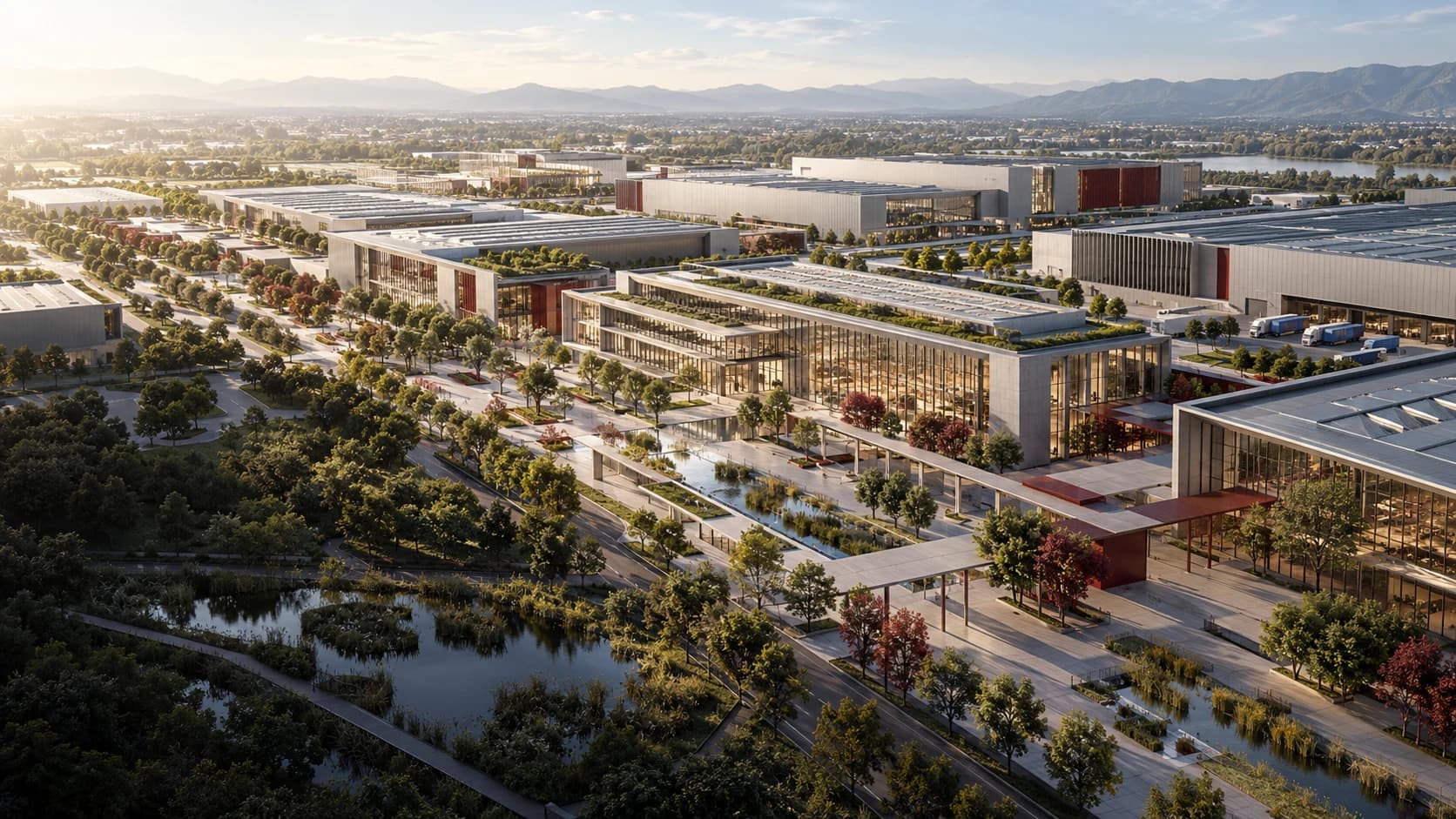
Architecture, Development, Living, Plumbing, and Media connect the design of places with the systems and experiences within them. The work spans architecture, construction processes, interiors, water systems, and creative production.
Each begins with an intended human experience, then works back through the physical systems required to make it possible. The environment, the sequence, and the details must support the same idea.


Research and advisory work
Research and Consulting provide routes into scientific questions, technical studies, strategy, and project planning. The starting point is a clear question, the evidence available, and the decision the work should inform.
Scope, methods, responsibilities, and deliverables are agreed for the engagement. A published area of interest does not establish a completed study or a commissioned advisory relationship.

Industrial breadth, evaluated one program at a time
Segal Industries brings together specialist businesses around an unusually broad industrial ambition: strengthen what can be built on Earth while developing the systems needed beyond it. The portfolio connects vehicles, information, machines, power, materials, biological systems, sourcing, media, and the built environment. That breadth is the starting point for understanding the strategy, rather than a substitute for examining each program on its own merits.
An investor discussion should move from the portfolio map to the particular work. What problem does the program address? Who would use the result? Which interfaces, resources, institutions, and approvals does it depend on? What has been demonstrated, and what remains to be established? The public division and program pages provide technical context for those questions. They do not publish a financial model, a valuation, or a consolidated statement of operating performance.
How the businesses connect
The relationships between businesses can be as important as the individual product families. A spacecraft or aircraft relies on sensing, electronics, software, communications, and the infrastructure used to operate it. A fabrication process can support the tools required by robotics or construction. A controlled growing environment brings water, energy, climate, structure, and management into one operating question. These connections create a way to discuss shared capability without assuming that every potential interface is already an integrated commercial offering.
The strategic question is where an interface creates useful leverage and where specialist focus must remain separate. Common equipment, engineering knowledge, or software can reduce repeated effort, but an application still has its own qualification, customer, economics, and acceptance criteria. A credible portfolio assessment should therefore distinguish a reusable component from a completed solution and an intended cross-business relationship from a verified dependency in a particular program.
What the public inventory measures
The figures below are calculated from the current website’s division, program, and office records. They describe the breadth of the public information available to explore. They are not counts of delivered products, active customer contracts, production lines, employees, patents, clinical trials, or revenue-generating operations. A program page is a unit of published technical context, not a financial reporting segment.
The division table links to each business and shows how many program records are currently presented within it. Program counts can change as the site is revised, and the underlying pages may describe different types of work: equipment, software, platforms, research programs, or supporting processes. Review the individual records before comparing businesses. The office list identifies published company locations; it should not be used to infer the presence of a manufacturing plant, accredited laboratory, licensed treatment facility, or a particular operating headcount.
Technical diligence
Useful diligence separates architecture, evidence, and acceptance. Architecture explains how the system is intended to work and what it must connect with. Evidence establishes what a calculation, a prototype, a test, or an operating record actually supports. Acceptance identifies who decides whether the result satisfies the intended application. Those categories should remain separate as a program moves from an initial description into a more detailed review.
A technical request can ask for the relevant configuration, the version of the design being discussed, test conditions, measurement methods, assumptions, remaining uncertainties, and the next decision that the evidence is meant to support. For a multidisciplinary system, identify the interfaces and the party responsible for each one. Where qualified institutions, professional review, customer acceptance, or regulatory authorization are required, their role should be established for the specific application rather than inferred from a general program description.
Capital planning and execution
Capital needs depend on the work being advanced and the evidence required at the next stage. Software development, a bench instrument, a production machine, a vehicle, and a construction application can require very different combinations of people, tooling, facilities, qualification, and operating support. An assessment should identify those needs explicitly and distinguish a development budget from the cost of delivering, supporting, or scaling an accepted product.
Relevant questions include the sequence of spending, the critical path, long-lead components, supplier concentration, access to specialist facilities, test capacity, rework exposure, and the consequences of an integration delay. Another question is what can be learned before a larger commitment is made. This page describes a framework for discussion; it does not announce an approved capital program, a fundraising target, a use-of-proceeds schedule, a funding commitment, or a forecast of returns.
Risk belongs beside the ambition
The technical scope of the portfolio creates different forms of execution risk. Hardware can be constrained by materials, manufacturing yield, reliability, supply chains, or the availability of test environments. Software can be constrained by integration quality, data rights, security, and the practical operating context. Biological programs can depend on repeatability, qualified institutional review, and a specific ethical or regulatory pathway. Construction can depend on site conditions, local approval, utilities, transport, and inspection.
Commercial questions are equally specific: the intended customer, the problem being solved, the evidence supporting a demand assumption, the basis of pricing, and the resources needed to fulfil a commitment. None can be settled by visual presentation alone. A prospective investor should seek the current records appropriate to the decision and use independent professional advice where relevant. This public website does not provide investment advice or an assurance that a particular technical, commercial, or financing outcome will occur.
Information access and the privately held company
Segal Industries is privately held. Public financial statements, capitalization records, revenue figures, ownership percentages, valuation figures, and shareholder documents are not presented on this website. Their absence should not be filled with an estimate derived from the number of divisions, the number of program pages, an office address, or the appearance of a product image. Request the specific current information required for the purpose of the discussion.
The shareholder information page explains how to introduce a request. Identify your relationship to the company, the program or entity concerned, the material sought, and the decision the material is intended to inform. Access, confidentiality, permitted use, and any verification of the requester are handled directly. An enquiry does not create a right to receive protected records, establish an allocation, or initiate a securities transaction.
Begin a focused investor conversation
A clear introduction states who you are, the organization you represent if applicable, and the aspect of the portfolio you want to understand. Distinguish a shareholder record request, a company briefing, a program-specific diligence question, and a potential strategic relationship. Include the relevant public pages and the principal questions you would like addressed. Keep the initial message suitable for a public correspondence channel.
Do not send bank details, transfer instructions, identity documents, confidential investment materials, or another party’s private records in the first enquiry. This website does not accept investment subscriptions or constitute an offer of securities. Any potential transaction would require its own appropriate documentation, review, and process. The useful next step here is an informed conversation grounded in the actual business, the actual evidence, and the information appropriate to the relationship.
Published office network
| Location | Office | Country |
|---|---|---|
| Los Angeles | Global headquarters | United States |
| Washington, DC | DC office | United States |
| Houston | Texas office | United States |
| Denver | Colorado office | United States |
| Taguig City | Philippines headquarters | Philippines |
See Global Locations for the addresses and appropriate regional contact links. Meetings should be arranged directly.
Shareholder enquiries
Public company information is available through the governance and founder pages. Financial and shareholder materials are handled directly rather than published on this website.
For a company briefing or a governance enquiry, select Investor when you contact us and describe the information you need. This website does not constitute an offer of securities.
Request access to information.
Shareholder documents are not available through a public online portal. Please contact investor relations to discuss your information request.
Identify the company or program involved, your relationship to it, and the purpose of the request. Include the type of material you are seeking so the discussion can be directed appropriately.
Shareholder informationBuild the frontier
with us.
Share the objective, the requirements, and the business you want to reach. Project and partnership enquiries all come through the same form.
Discuss a Project