One prime.
The whole arc.
Segal Aerospace
Spacecraft, launch, and the ground system that flies the mission.
Segal Aerospace builds the spacecraft, the payload, and the operations system as one mission.
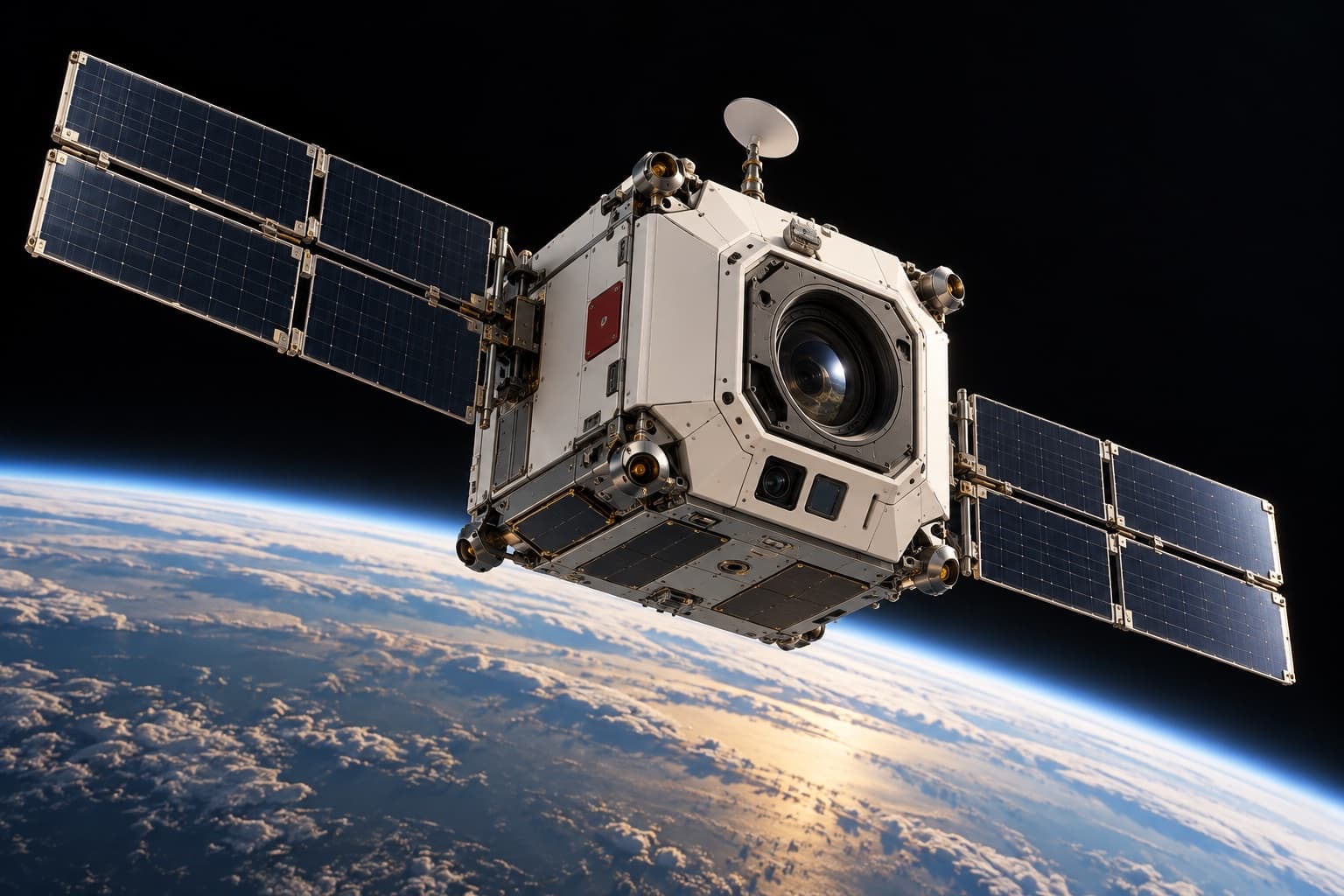
One family of spacecraft.
Spacecraft
The SF series runs from rideshare CubeSats to GEO-class platforms, on a common avionics and payload interface.
SF-12 covers 12U to 27U. SF-150 is the ESPA-class spacecraft. SF-500 carries higher-power payloads. SF-GEO is built for a long mission, with electric propulsion. Structure, power, thermal control, and software are designed with the payload.
Common interfaces
Avionics and payload interfaces are shared across the family.
Integrated design
Structure, power, and heat are sized together.
The mission
Orbit, payload, and operating life decide which spacecraft flies.
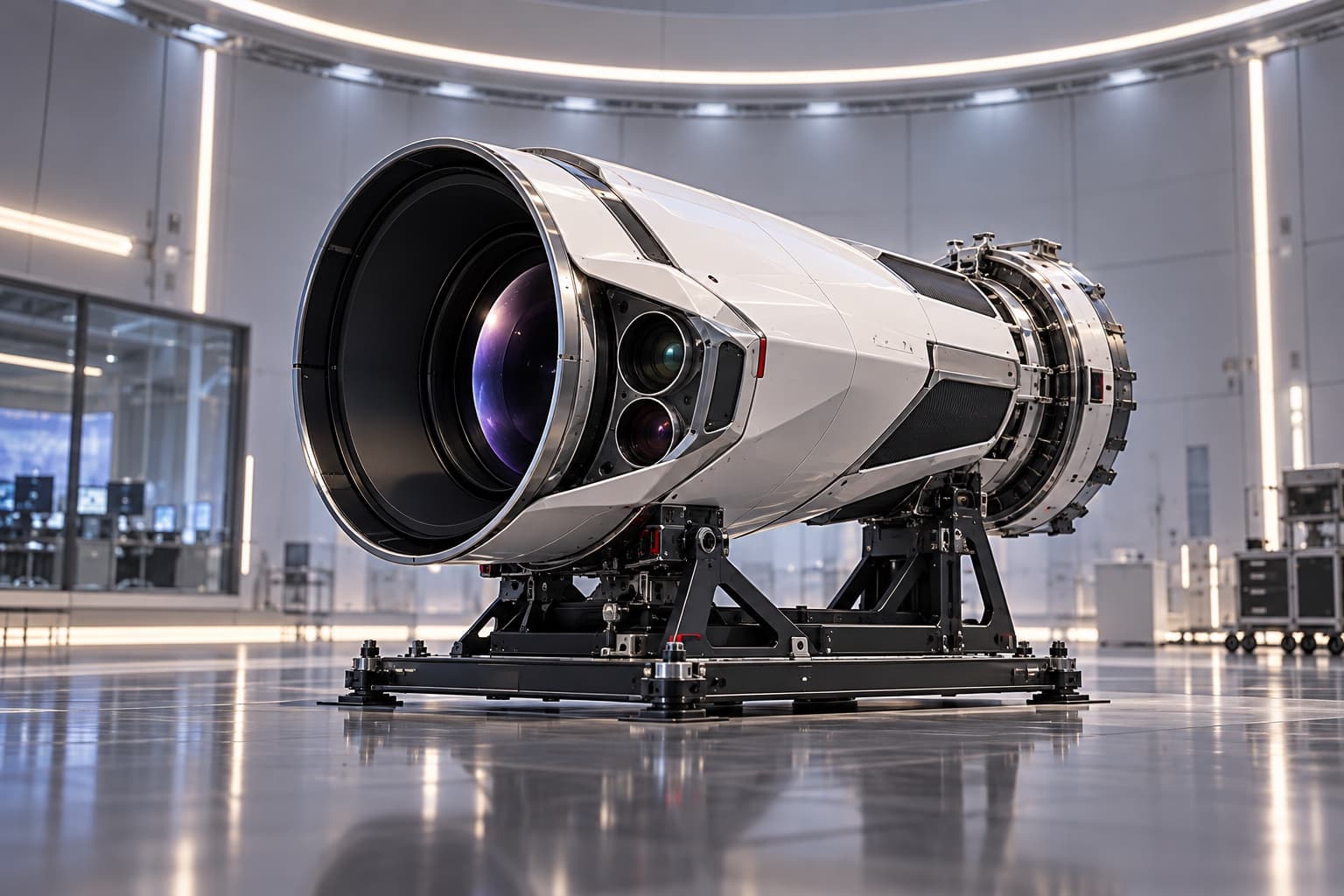
The payload sets the spacecraft.
Payloads
Imaging and communications payloads are designed with the power, pointing, and data of the vehicle.
ClearView is electro-optical imaging. SAR-X is radar. PA-Ka is a steered Ka-band terminal. Hyperspectral imaging, optical crosslinks, and wideband radio sensing complete the set. The observation or the link decides the payload.
Observation
Optical, radar, and hyperspectral payloads for the collection the mission needs.
Communication
Phased-array terminals and optical crosslinks for the link.
The fit
Mechanical, thermal, power, and data interfaces are defined with the bus.
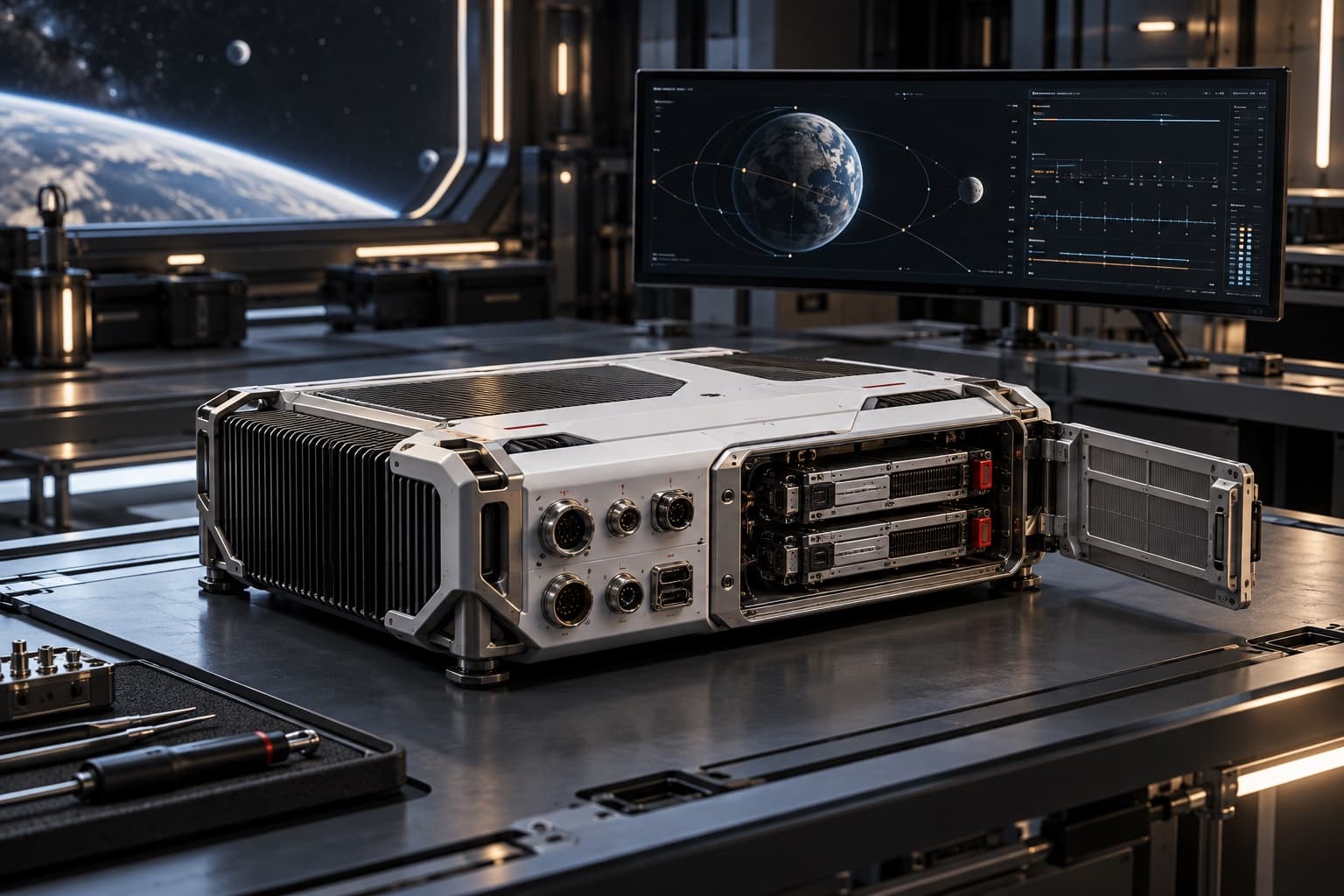
Flight software for the family.
Avionics
Foundry Edge is the avionics architecture for guidance, fault management, and mission autonomy.
The software plans collection, schedules the downlink, and detects faults within what the spacecraft can do. Authentication, updates, and recovery sit in the command path.
Guidance and control
The software follows the dynamics and the control the vehicle needs.
Autonomy
Task planning stays inside the limits of the vehicle and the mission.
Command
Authorization, software integrity, and recovery are part of the design.
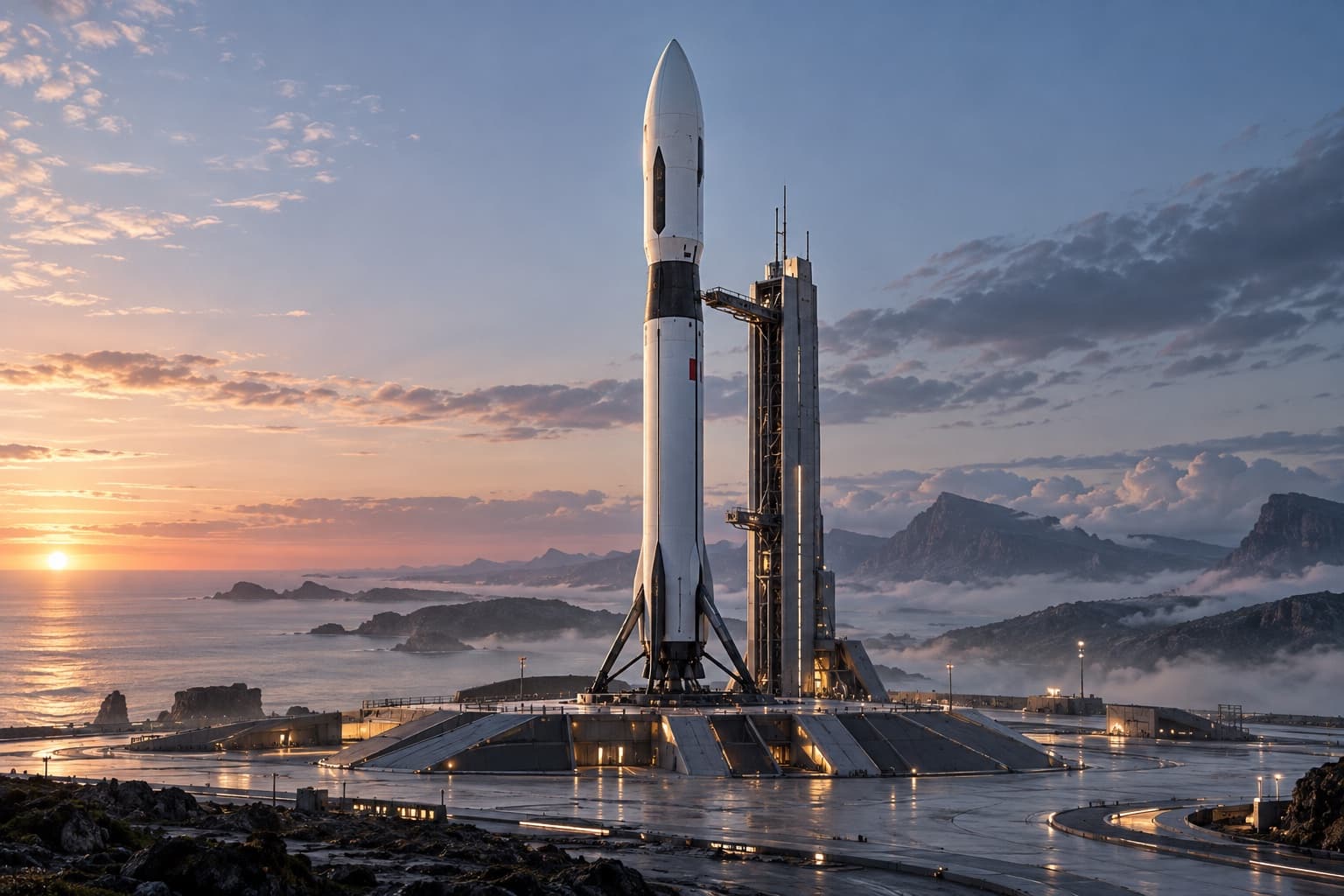
The path to orbit.
Launch
Launch and integration are designed with the spacecraft and the mission.
Ascend-1 is medium-lift. Ascend-Heavy carries larger payloads and station elements. Ascend-Super is the super-heavy vehicle. Skybridge is air-launch. External launch remains an option, with the adapter, the test, and the campaign planned together.
The vehicle
The lift class follows the mission.
Other launch
Provider interfaces, adapters, and test are part of the same plan.
The campaign
Mechanical, electrical, environmental, and range interfaces are one campaign.
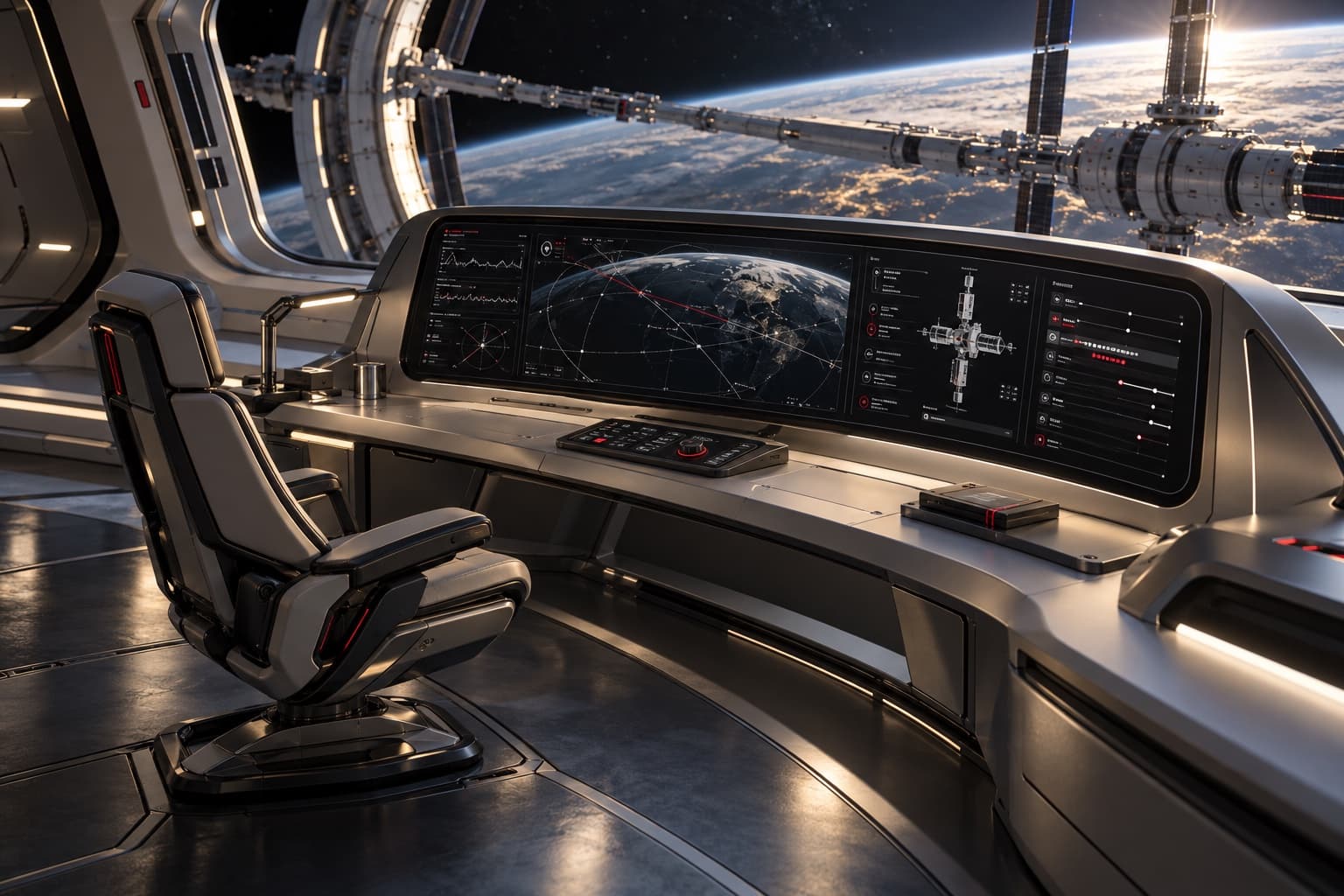
For the life of the mission.
Operations
Orbital Foundry is the interface for telemetry, commanding, contact planning, and mission data.
Coverage, response time, and data delivery set the ground system. Scheduling, processing, and operator responsibility are part of that system.
The view
Vehicle state, contacts, and mission activity in one interface.
Ground access
Coverage and scheduling follow what the mission needs.
Data
Processing and delivery follow the objective of the mission.
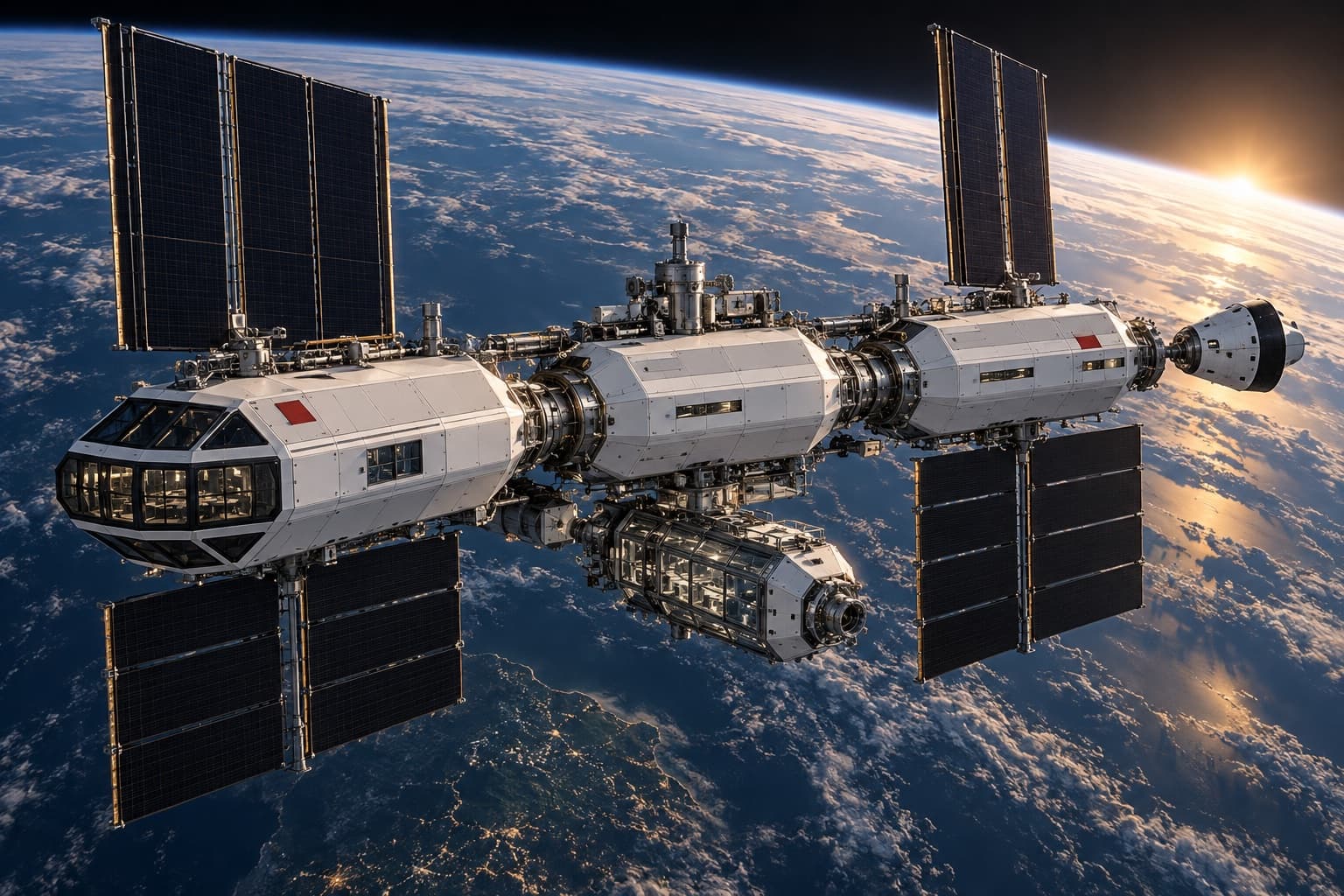
Stations, vehicles, and surface nodes.
Beyond orbit
Modules, stations, transfer vehicles, and surface nodes extend the same spacecraft work.
Bastion, Keystone, Halo, and Foundry Ring are pressurized modules and habitats. Vanguard, Aegis, Helios, and Pathfinder cover transfer, crew, and deep-space flight. Terra, Selene, Ares, and Drift are surface and depot nodes, where assembly, utilities, and local resources are part of the design.
Habitats
Life support, shielding, assembly, and maintenance are one system.
Vehicles
Transfer, crew transport, and deep-space flight are separate vehicles.
Nodes
The site and its resources set the infrastructure.
Products
Spacecraft, payloads, and the ride to orbit.
Buses, instruments, launchers, and habitats, specified around the mission you need to fly.
Bus family
Four buses, by class.
- SF-12Rideshare
- SF-150ESPA-class
- SF-500Microsat
- SF-GEOGEO-class
Payloads
ClearView
Electro-optical
SAR-X
X-band radar
PA-Ka
Ka-band array
Past the bus
Vanguard
Orbital transfer
Aegis
Crew module
Helios
Deep space
Pathfinder
Autonomous probe
Spacecraft
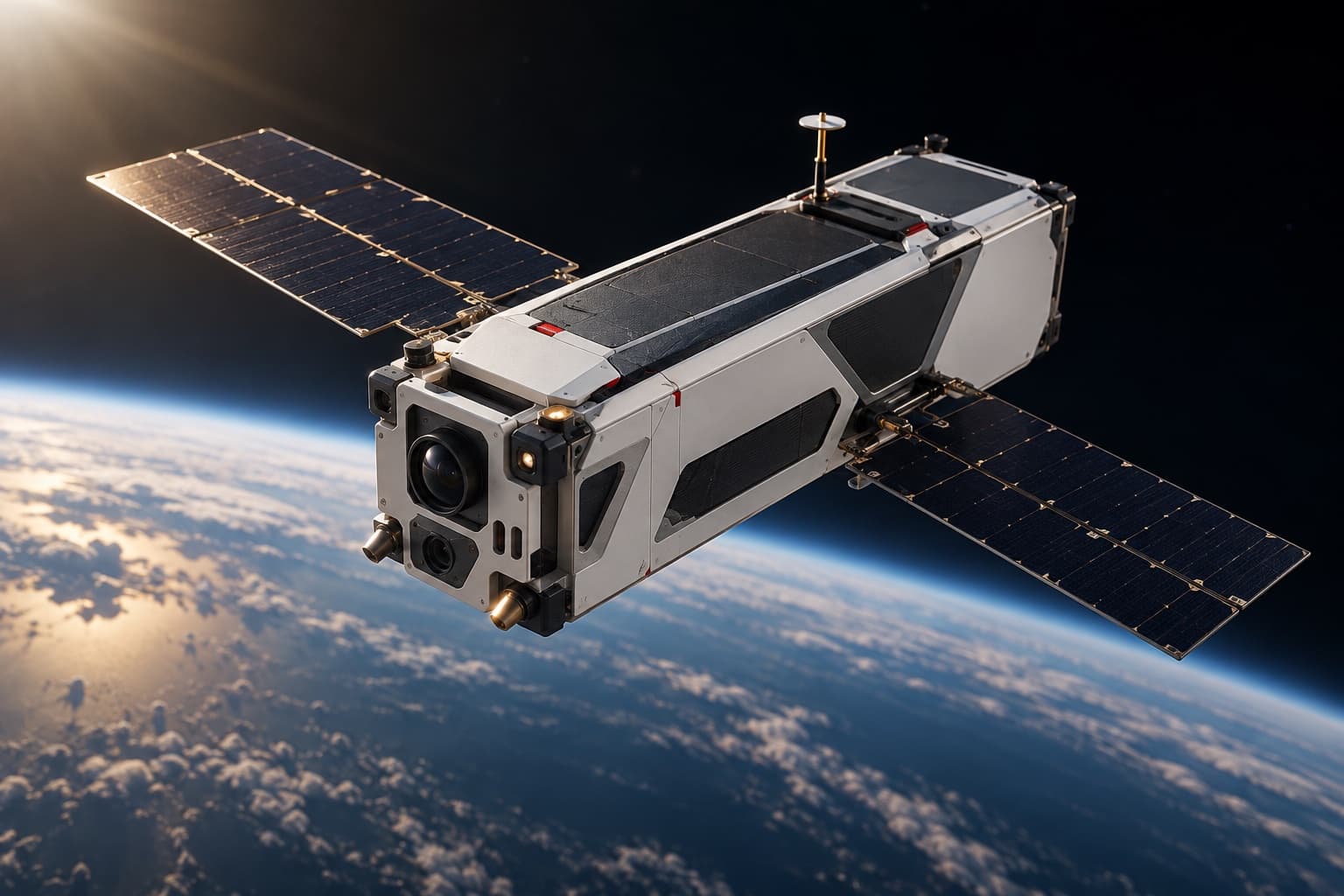
SF-12
12U–27U CubeSat bus
A compact spacecraft for rideshare missions and small payloads.
SF-150
ESPA-class smallsat bus
An ESPA-class spacecraft for Earth observation, communications, and sensing.
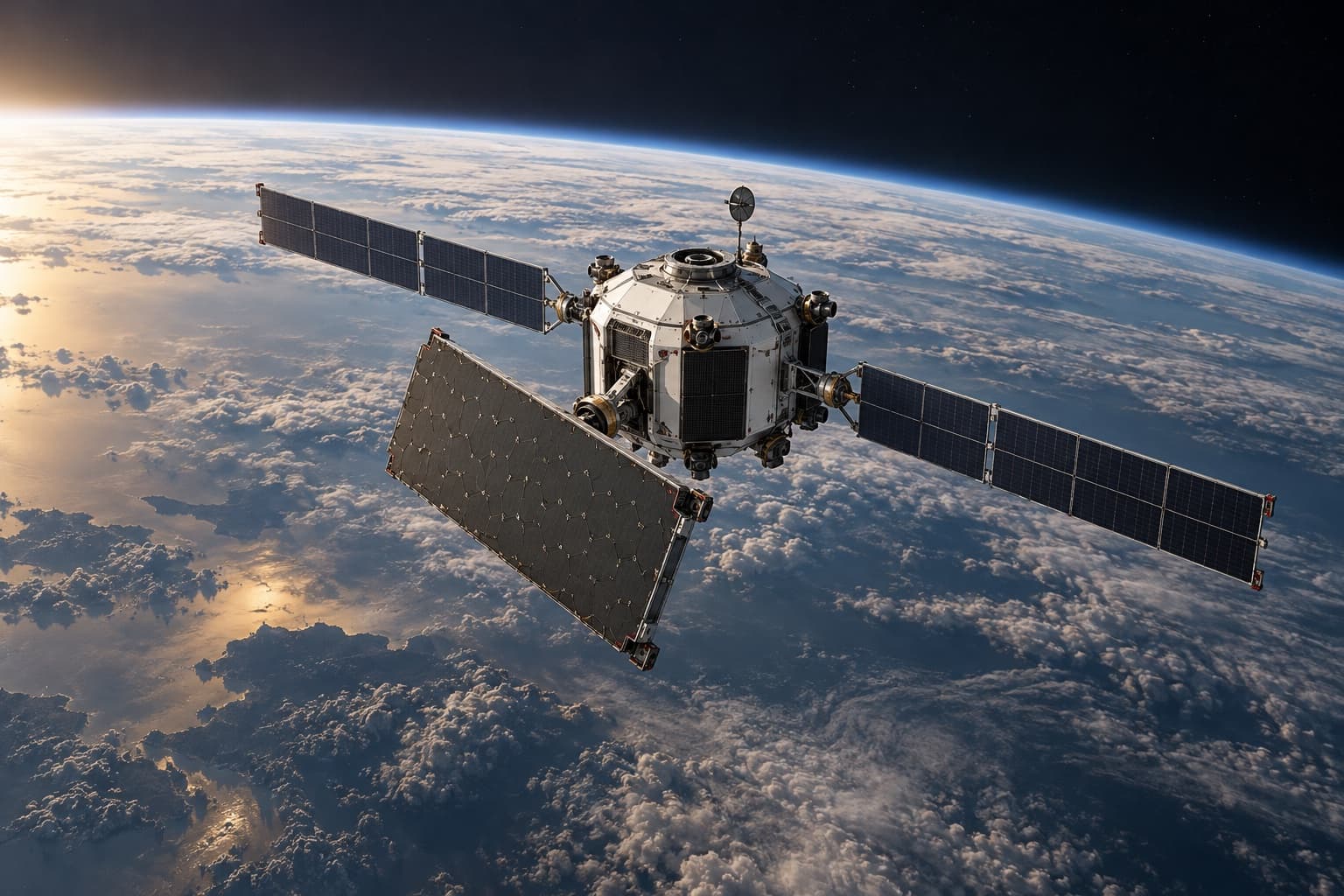
SF-500
ESPA-Grande / microsat bus
A larger spacecraft for radar, communications, and high-demand sensors.
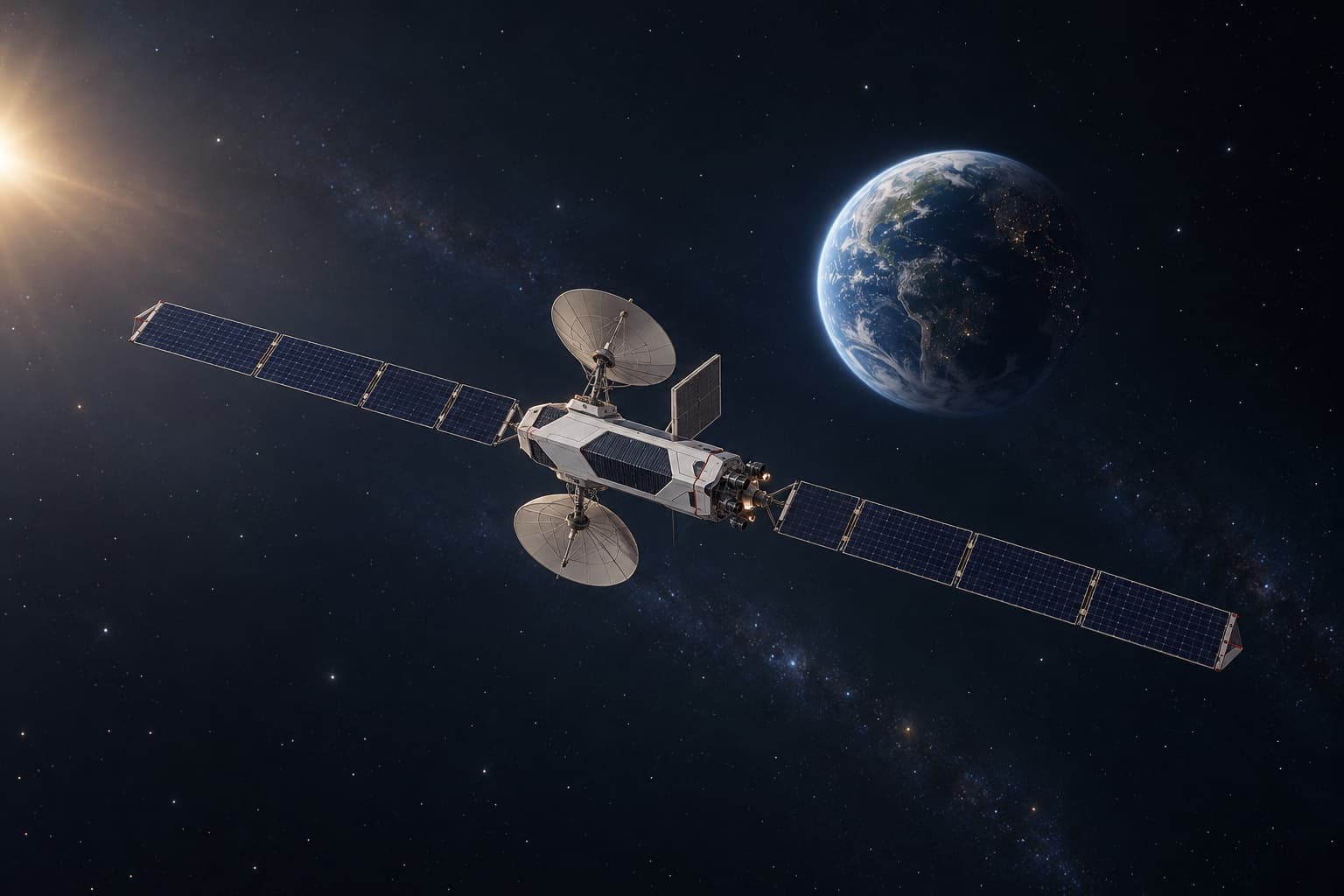
SF-GEO
GEO-class platform
A GEO-class spacecraft for long-duration communications and sensing.
Payloads
ClearView
Electro-optical imager
An electro-optical imager for a clear look at the ground.
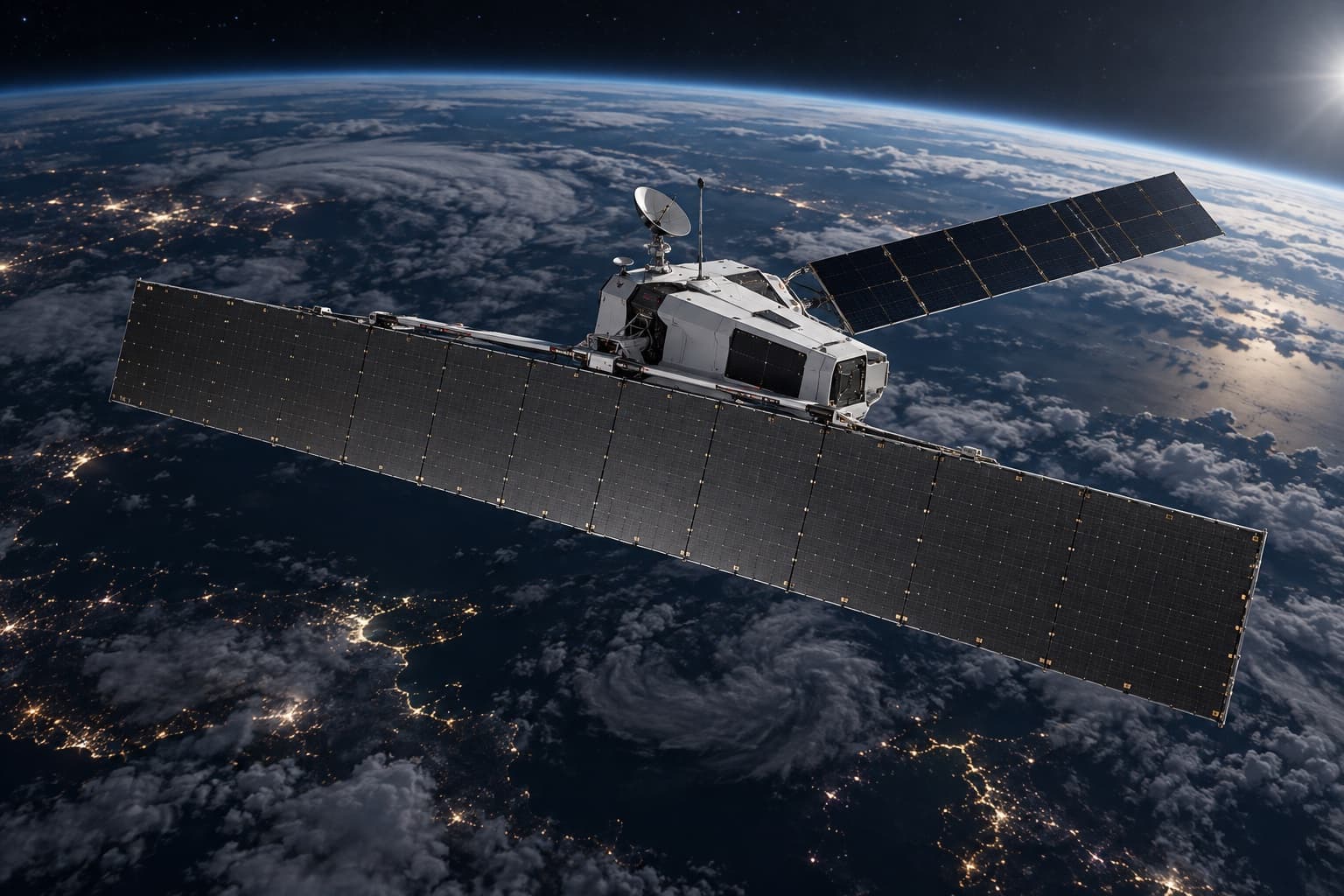
SAR-X
Synthetic aperture radar
An X-band radar that sees through cloud and darkness.
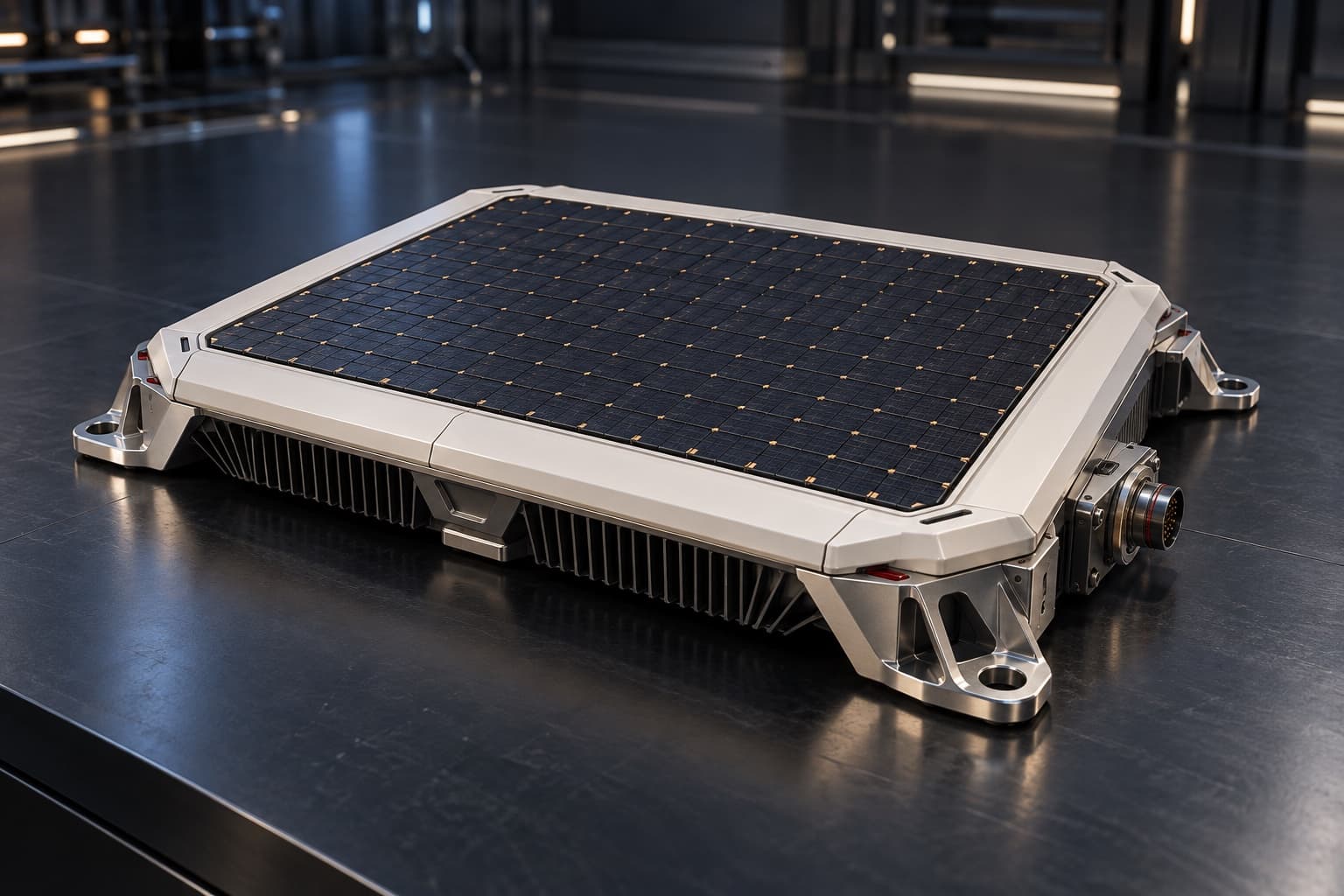
PA-Ka
Phased-array Ka-band terminal
A Ka-band terminal that steers the link without moving the antenna.
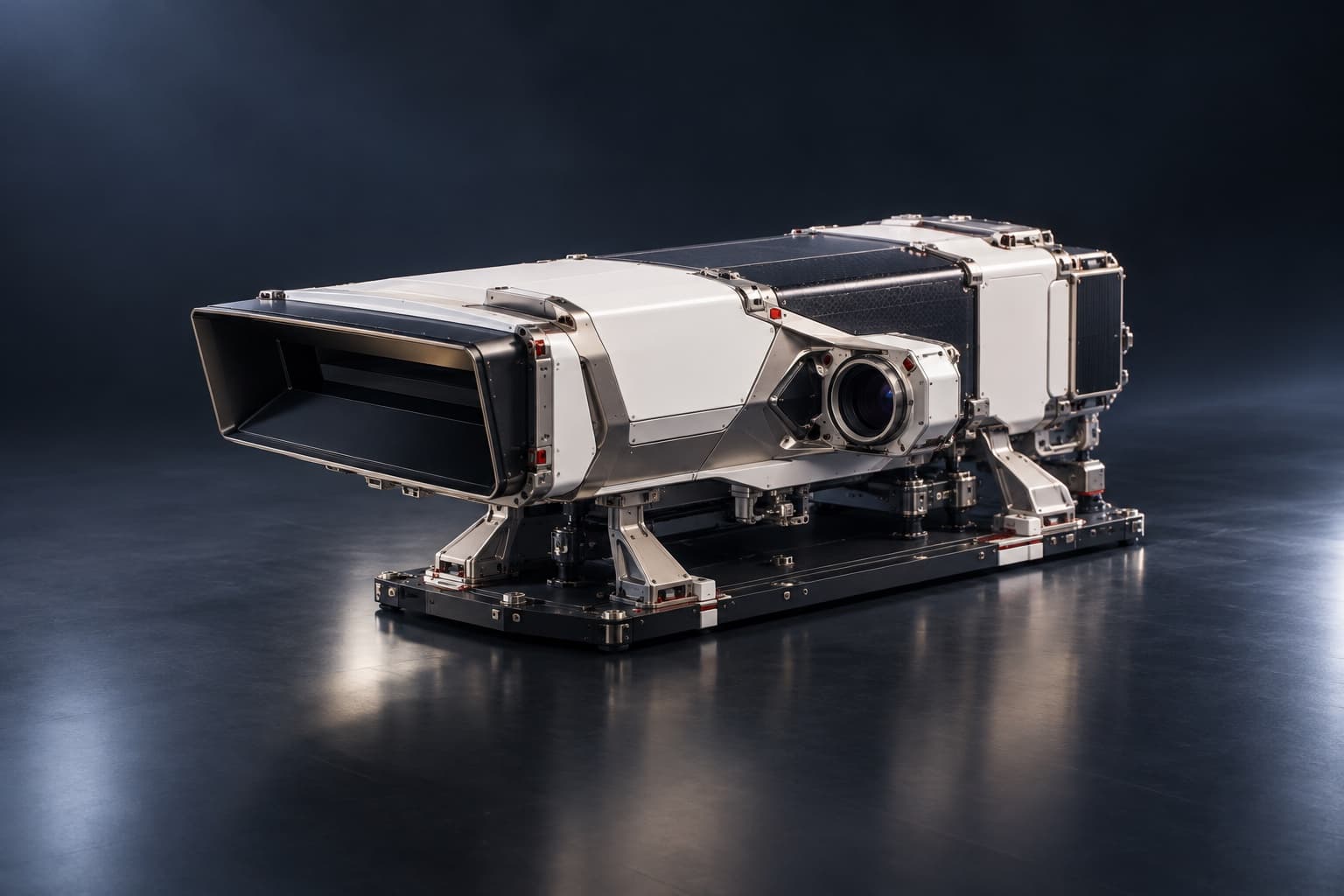
HyperView
Hyperspectral imager
A hyperspectral imager from the visible through the shortwave infrared.
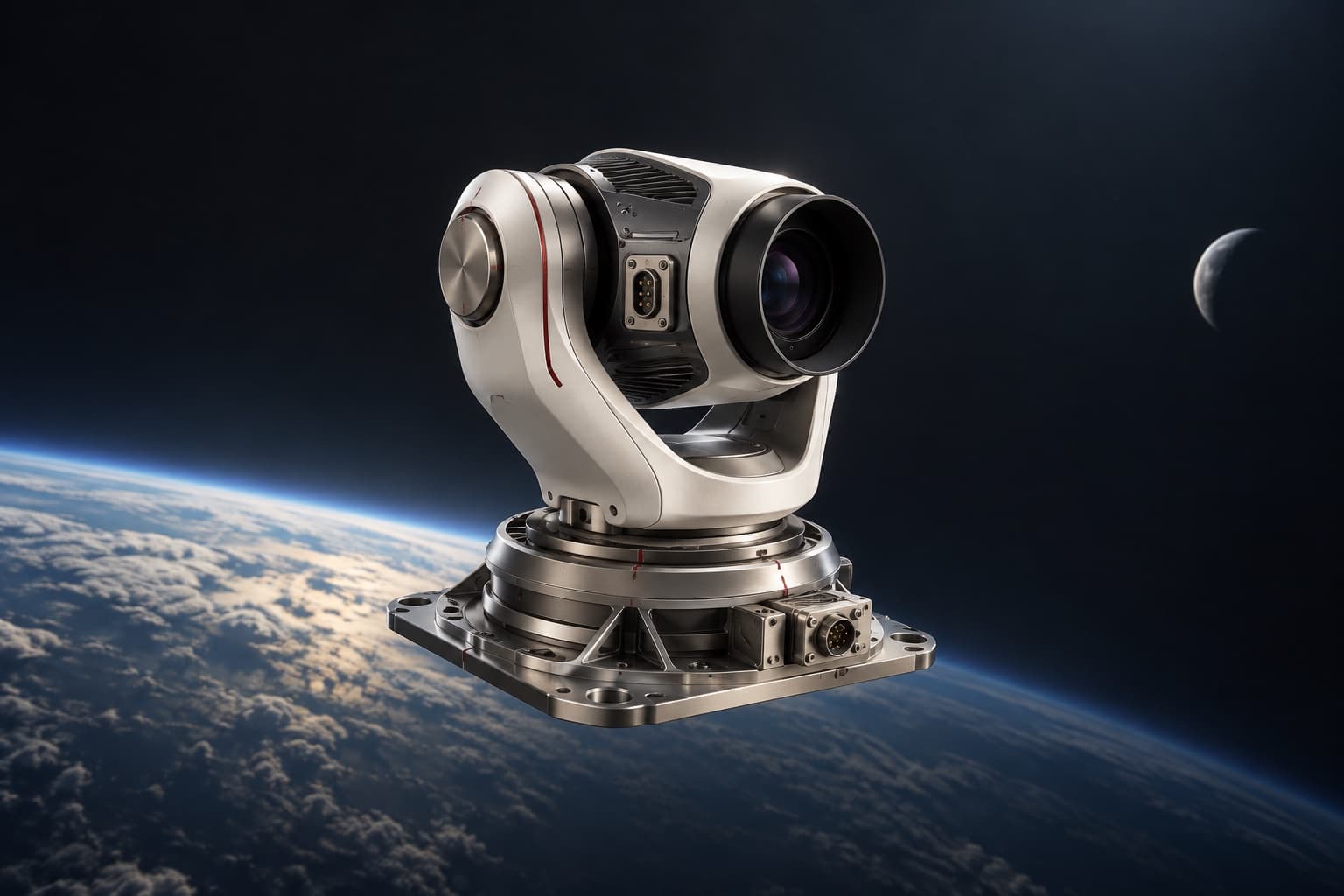
OptiLink
Optical crosslink terminal
An optical terminal for links between spacecraft and for high-rate downlink.
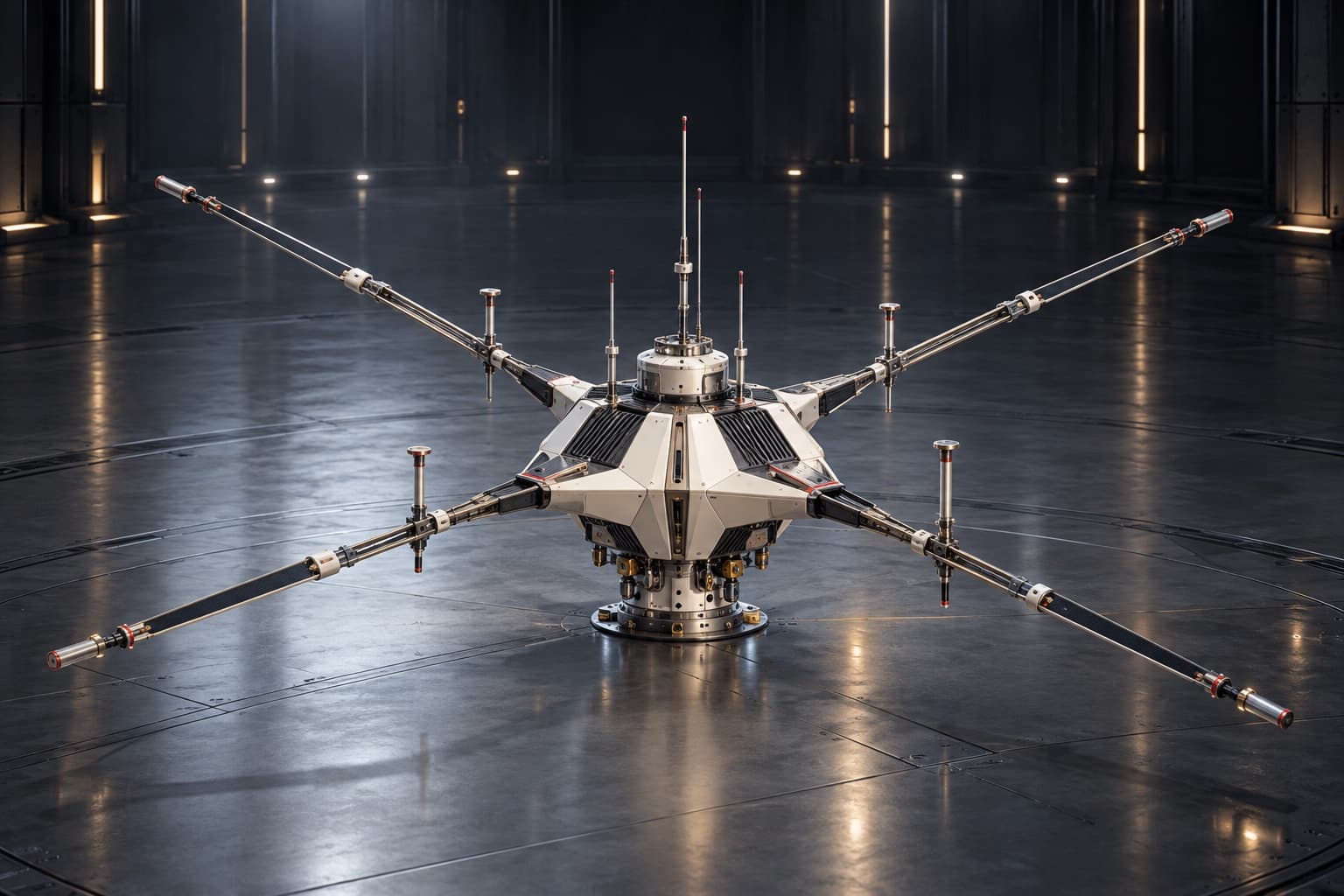
RF-Sentinel
RF sensing & geolocation
A radio-frequency sensor for detecting, characterizing, and locating emitters.
Flight software
Foundry Edge
On-orbit edge-compute & flight software
The flight software and onboard computer shared by the SF spacecraft family.
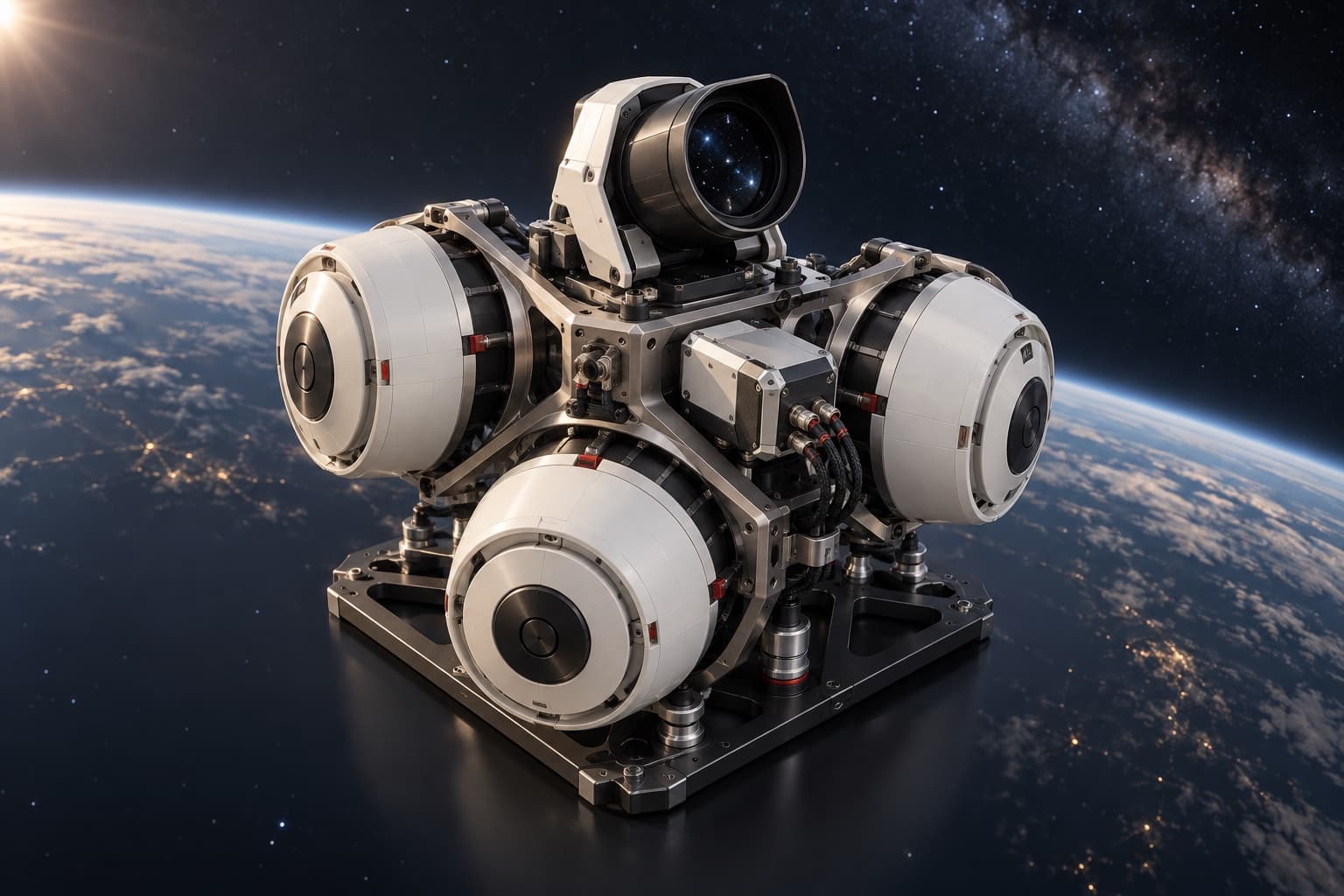
GNC / ADCS
Guidance, navigation & control
Guidance, navigation, and attitude control for the SF spacecraft.
Fault Management
Fault detection, isolation & recovery
Fault detection, isolation, and recovery for a spacecraft that has to keep itself safe.
Mission Autonomy
Autonomy & onboard tasking
Onboard tasking that turns a mission objective into a plan the spacecraft can fly.
Secure C2
Command & control security
Command, telemetry, and flight software under authenticated control.
Launch
Ascend-1
Reusable medium-lift
A reusable medium-lift launcher for shared rides and dedicated missions.
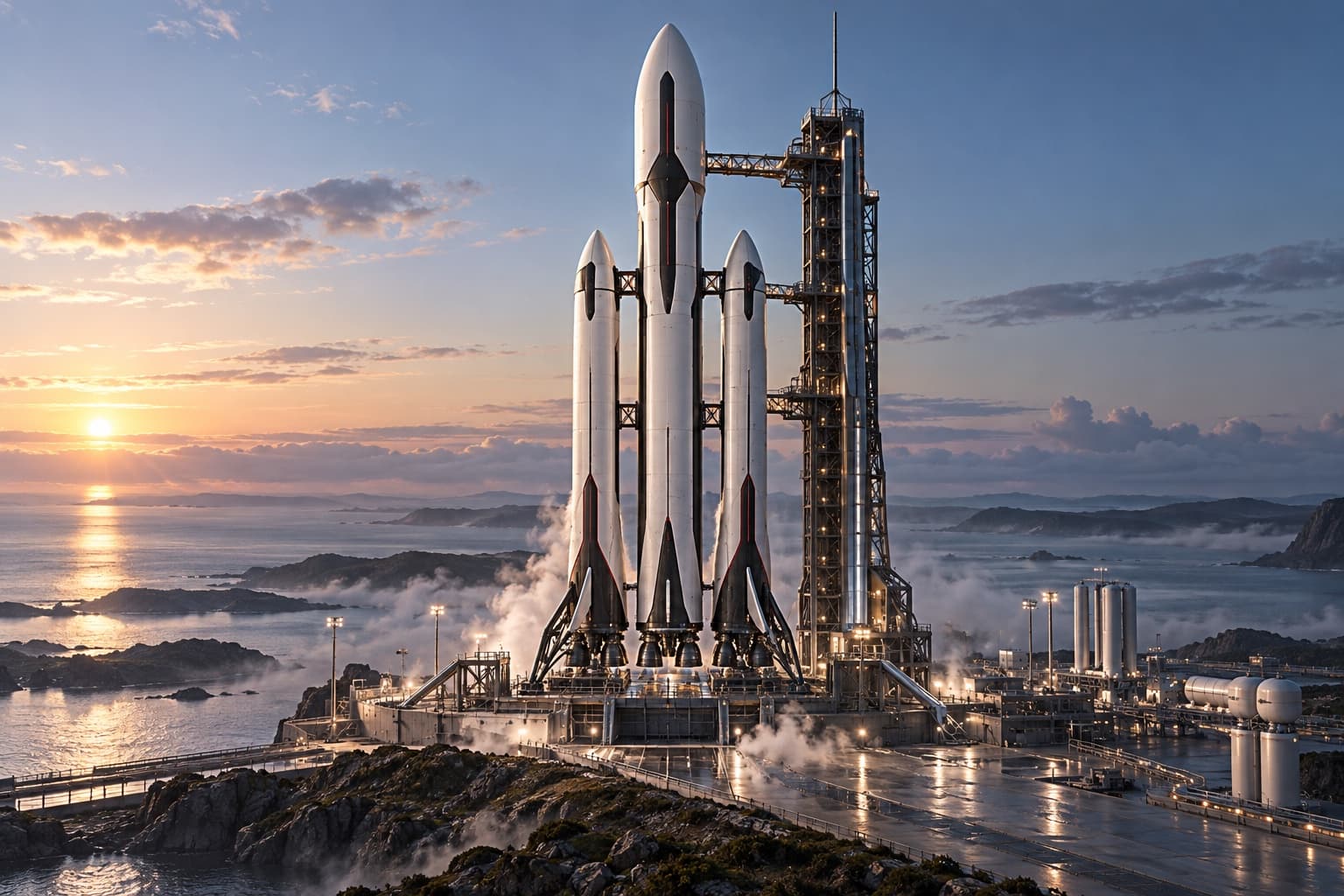
Ascend-Heavy
Reusable heavy-lift
A reusable heavy-lift launcher for large payloads and orbital infrastructure.
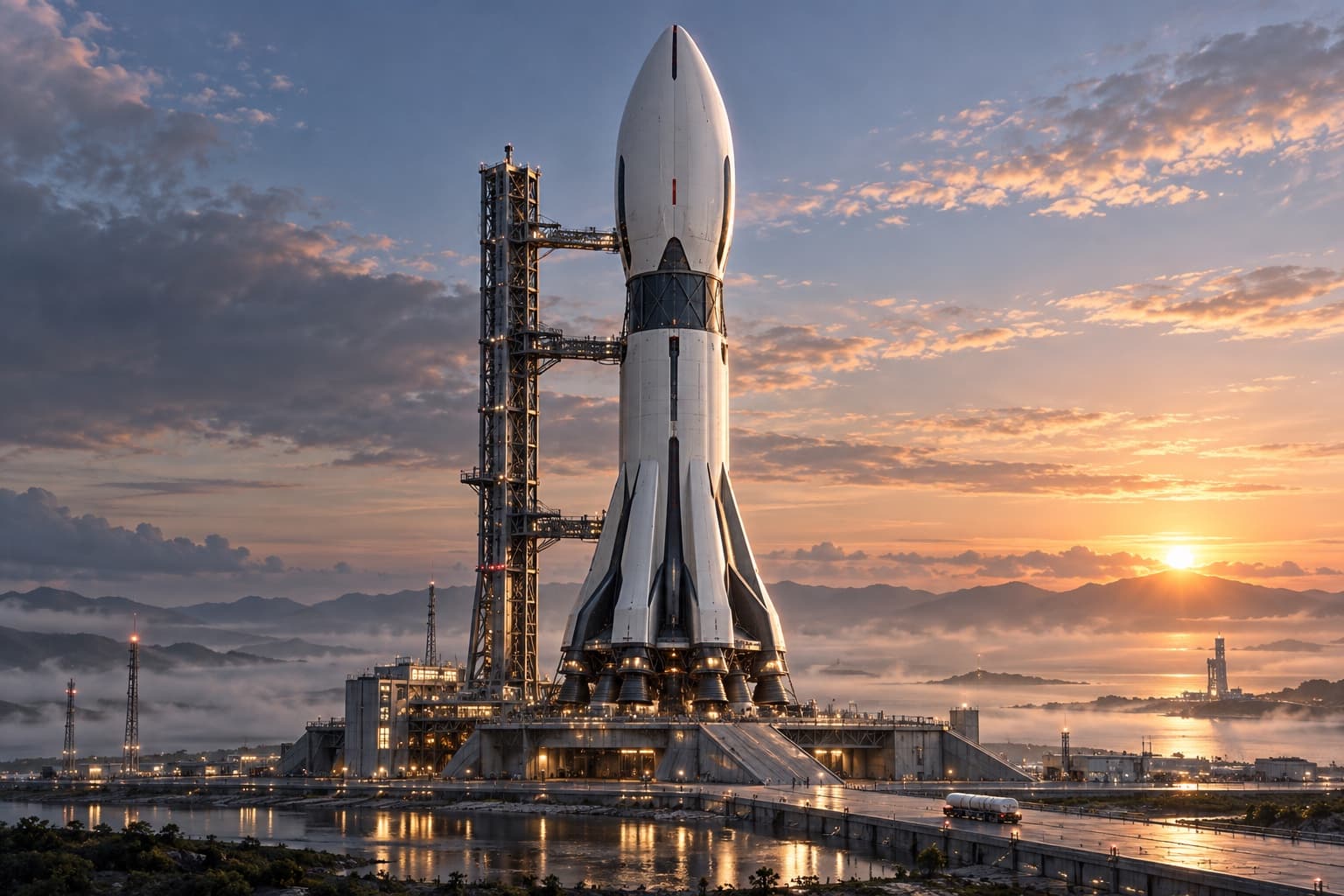
Ascend-Super
Super-heavy launch vehicle
A super-heavy launcher for the payloads that do not fit a smaller rocket.
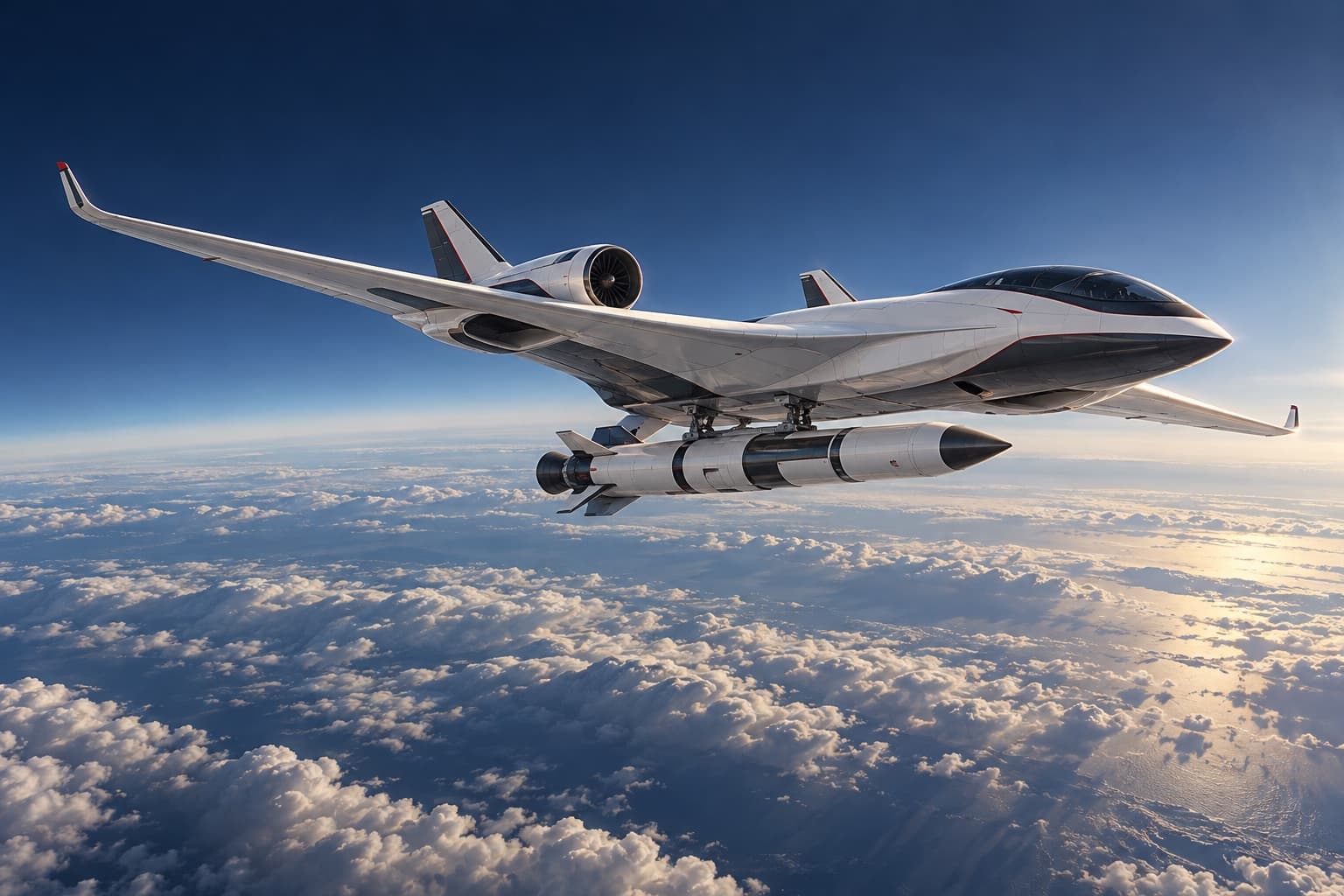
Skybridge
Responsive small-lift
An air-launched rocket for a small spacecraft that needs to fly soon.
Vehicles
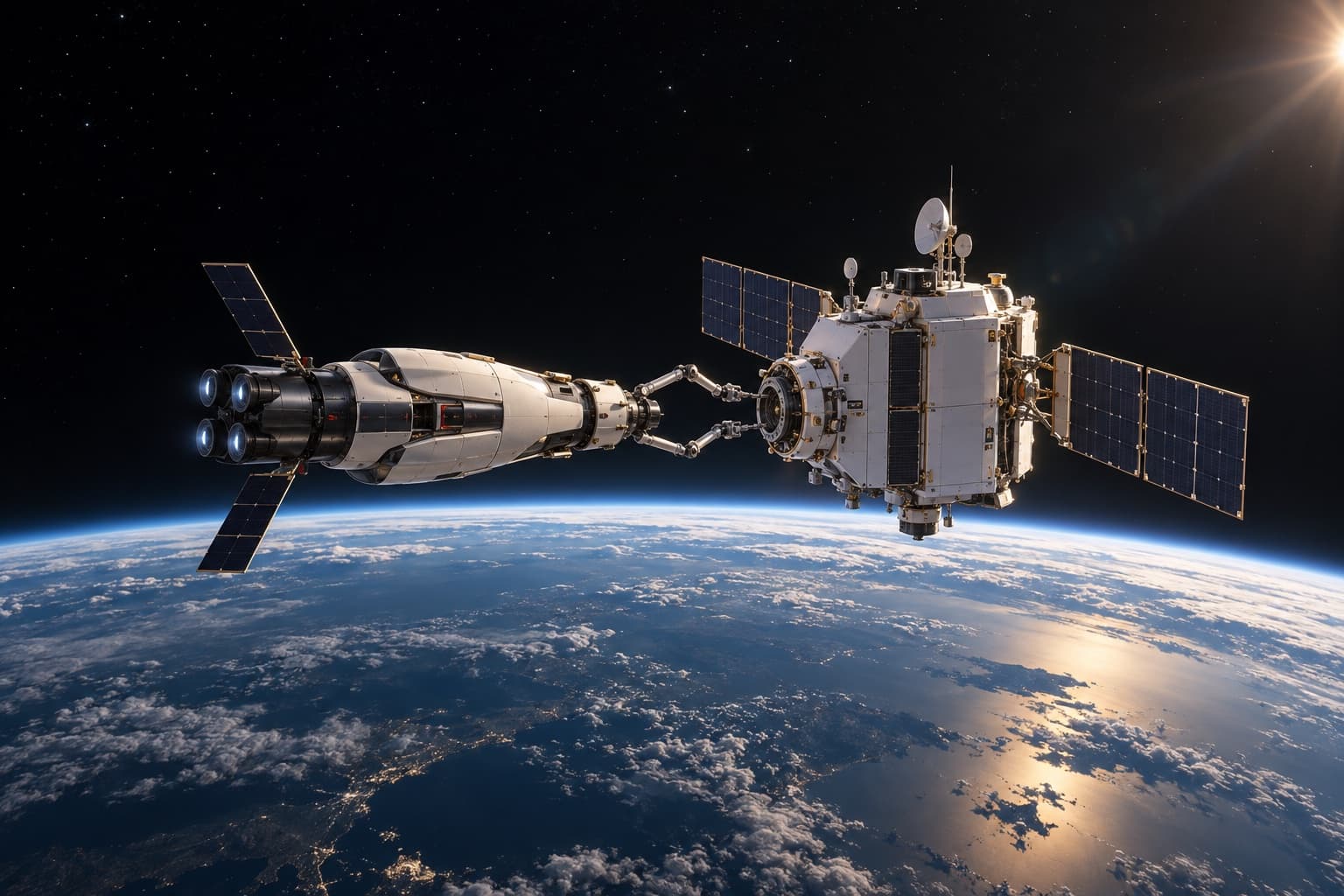
Vanguard OTV
Orbital transfer vehicle
A transfer vehicle that moves a spacecraft from the drop-off orbit to the orbit where it works.
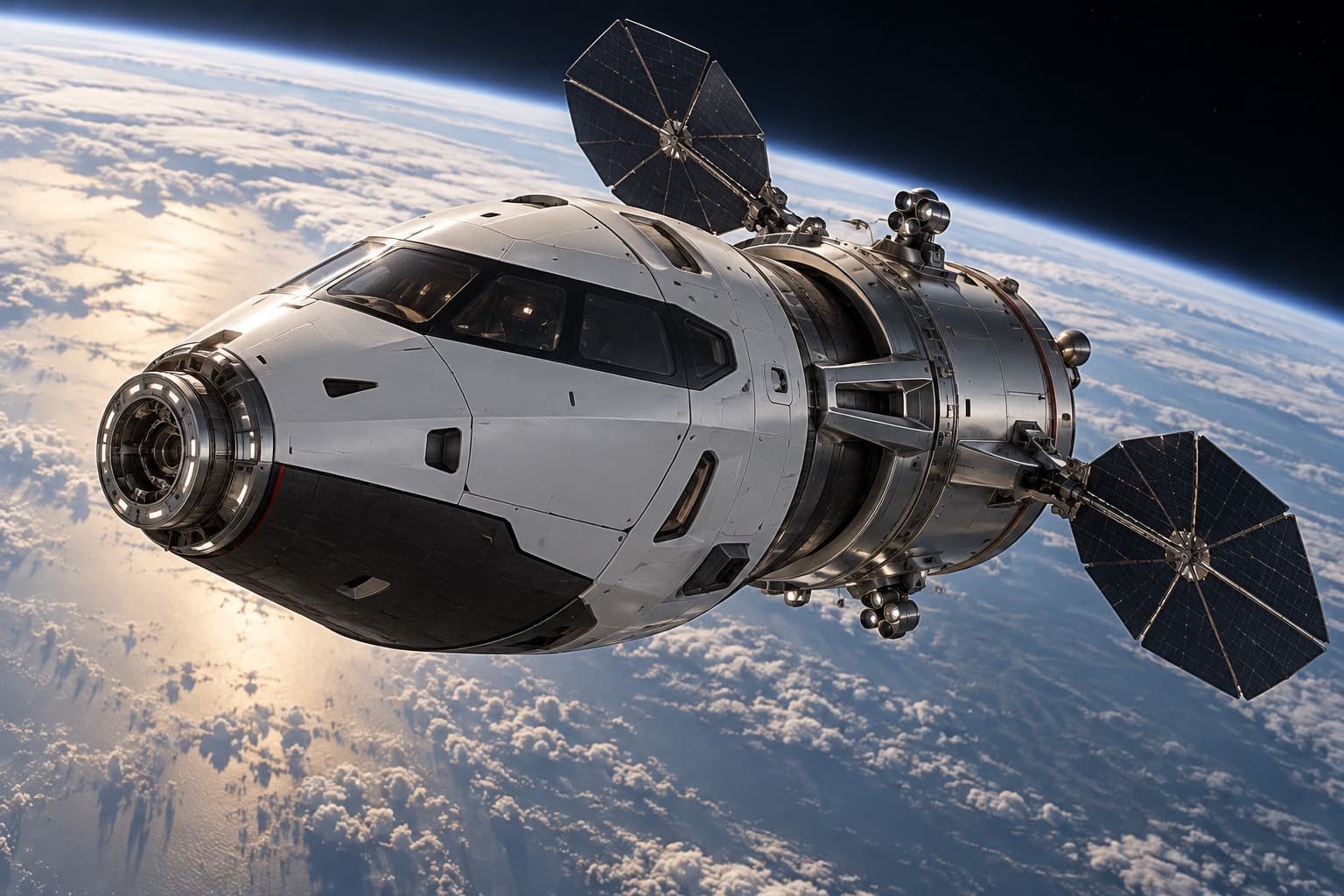
Aegis Crew Module
Crew transport capsule
A crew capsule for stations in Earth orbit and cislunar space.
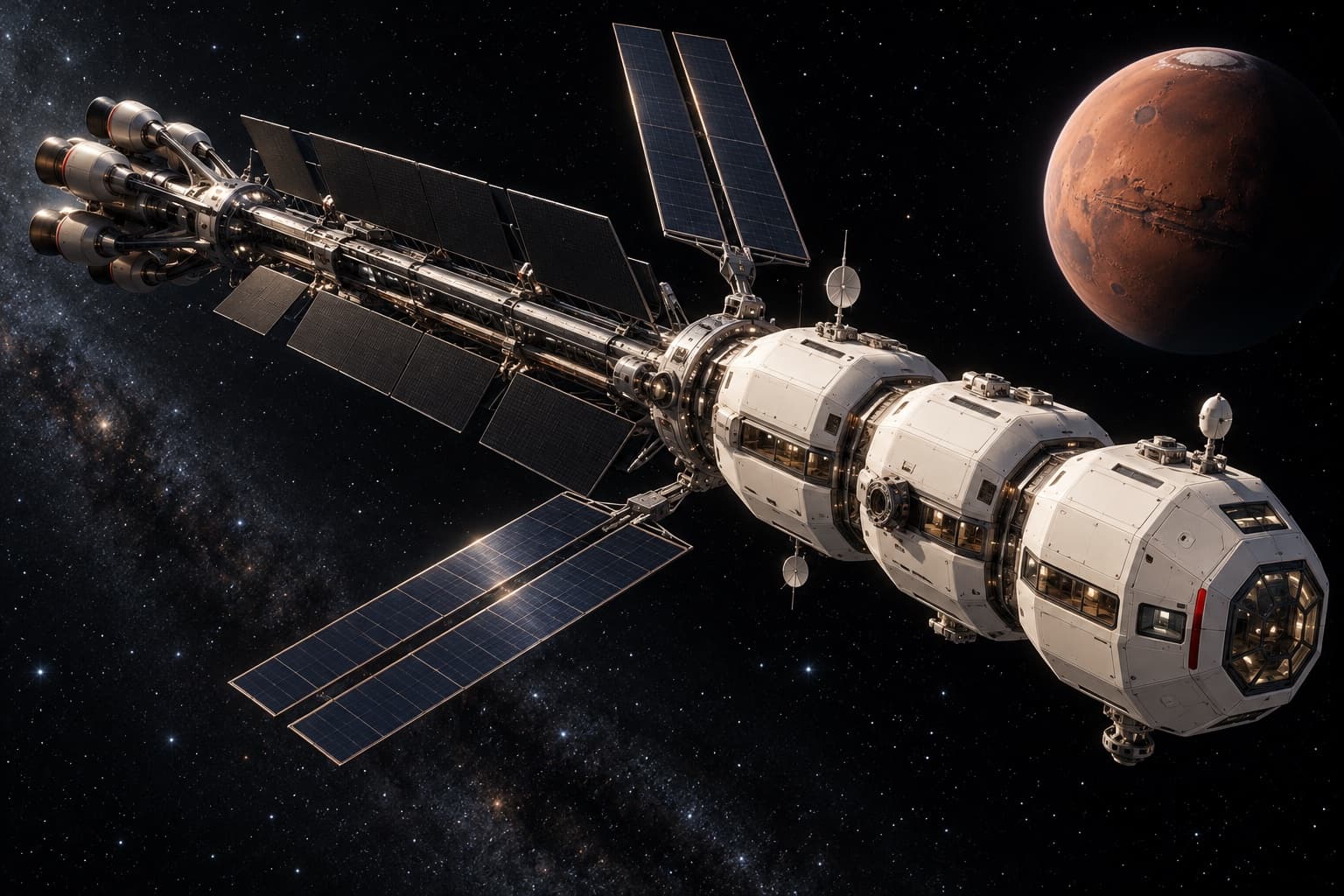
Helios DSV
Deep-space vehicle
A deep-space ship for the long transit between Earth and Mars.
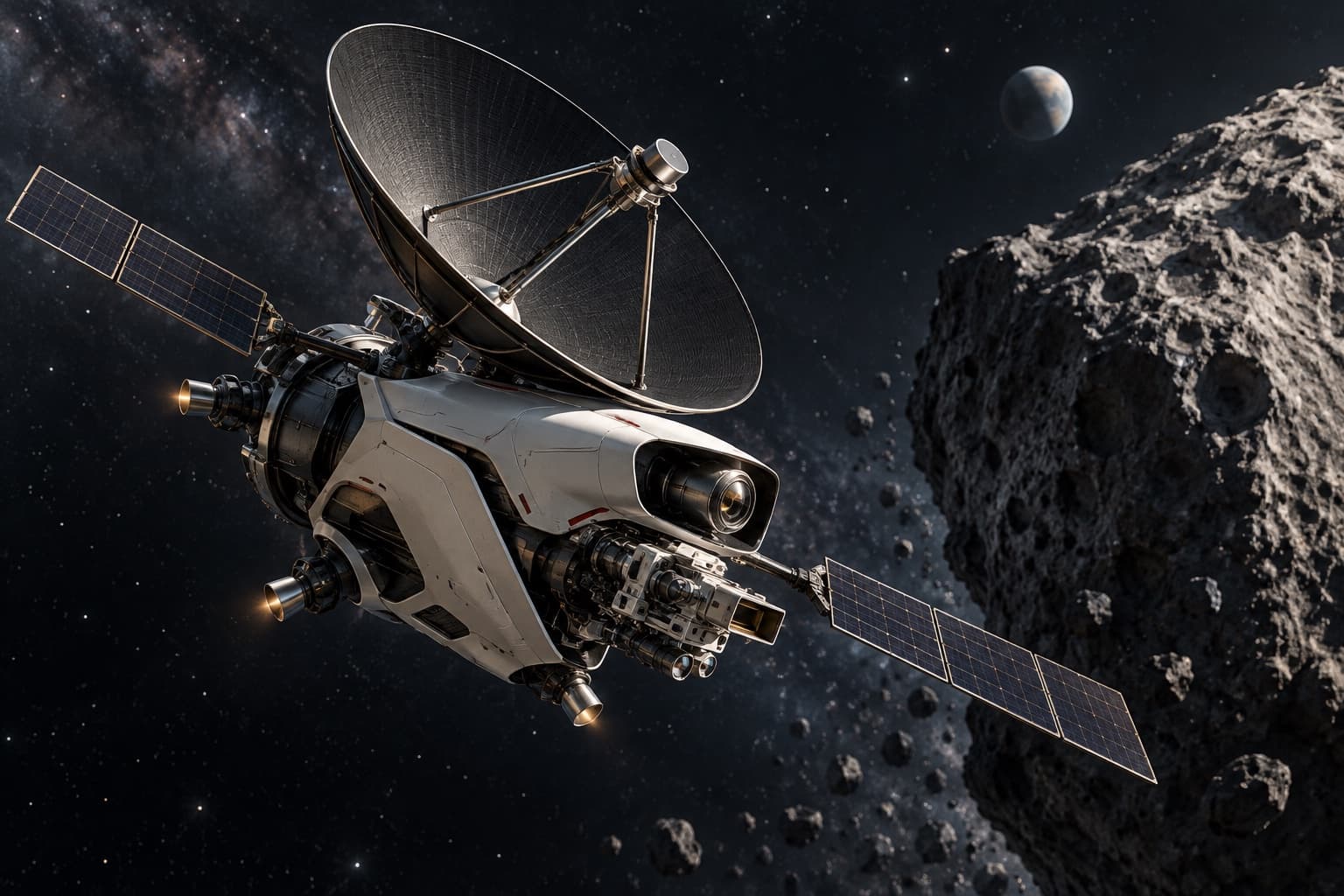
Pathfinder Probe
Autonomous deep-space probe
A probe for science and space-domain awareness where the ground cannot be in the loop.
Stations
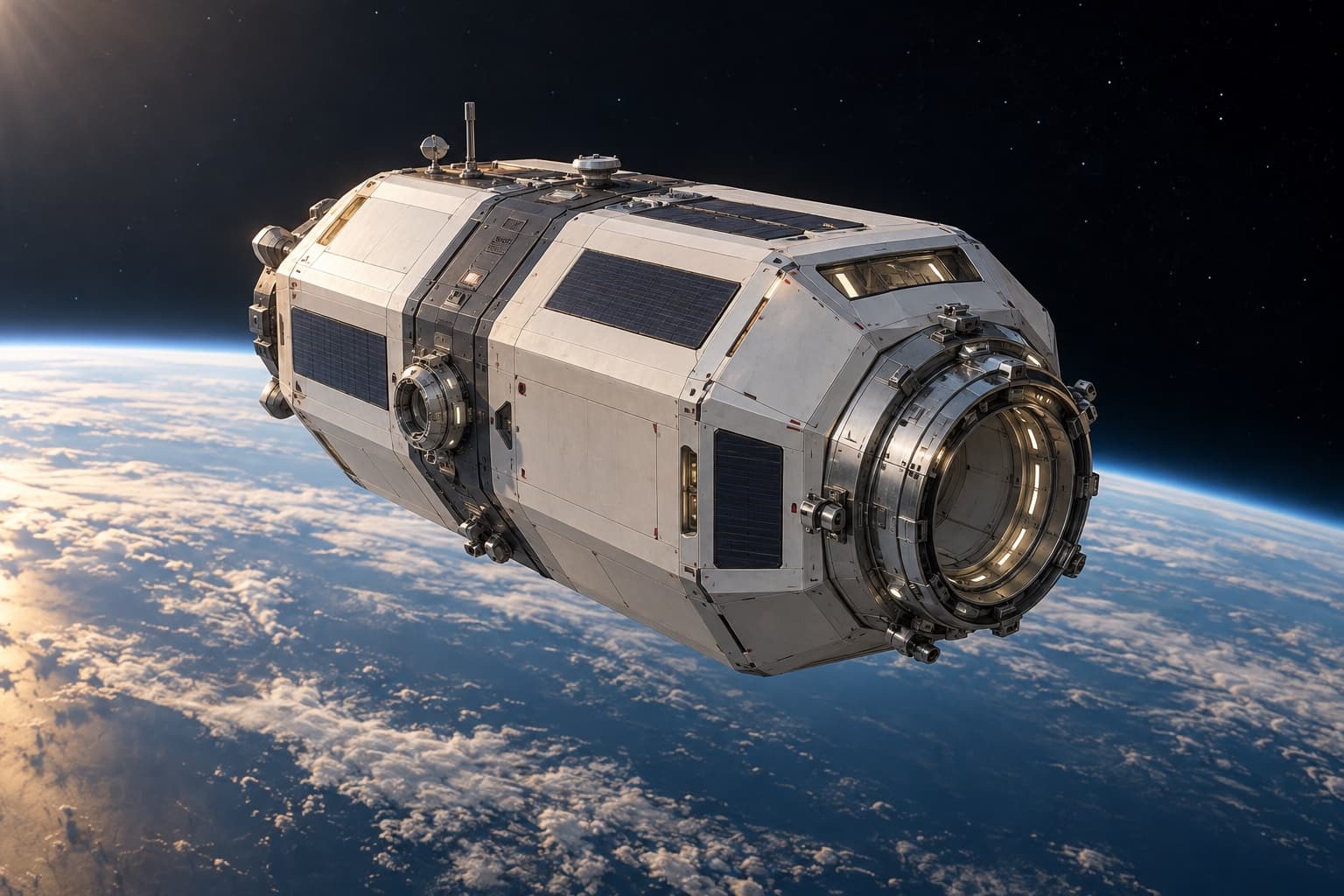
Bastion Module
Standard pressurized module
A pressurized module for berthing, crew, and the start of a station.
Keystone Station
LEO commercial station
A modular station in low Earth orbit for crews, laboratories, and production.
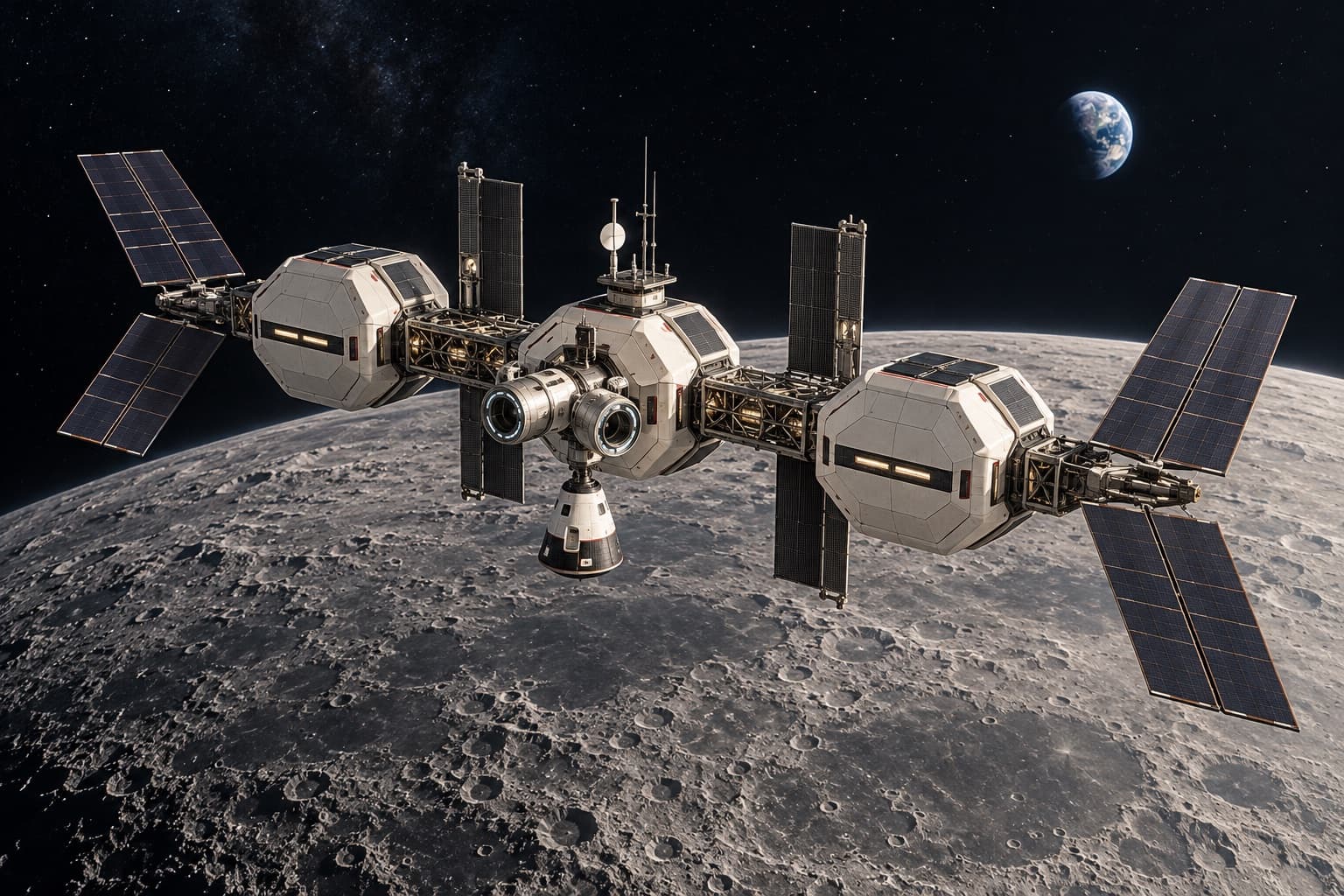
Halo Outpost
Cislunar gateway-class
An outpost between Earth and the Moon for crews headed to the surface.
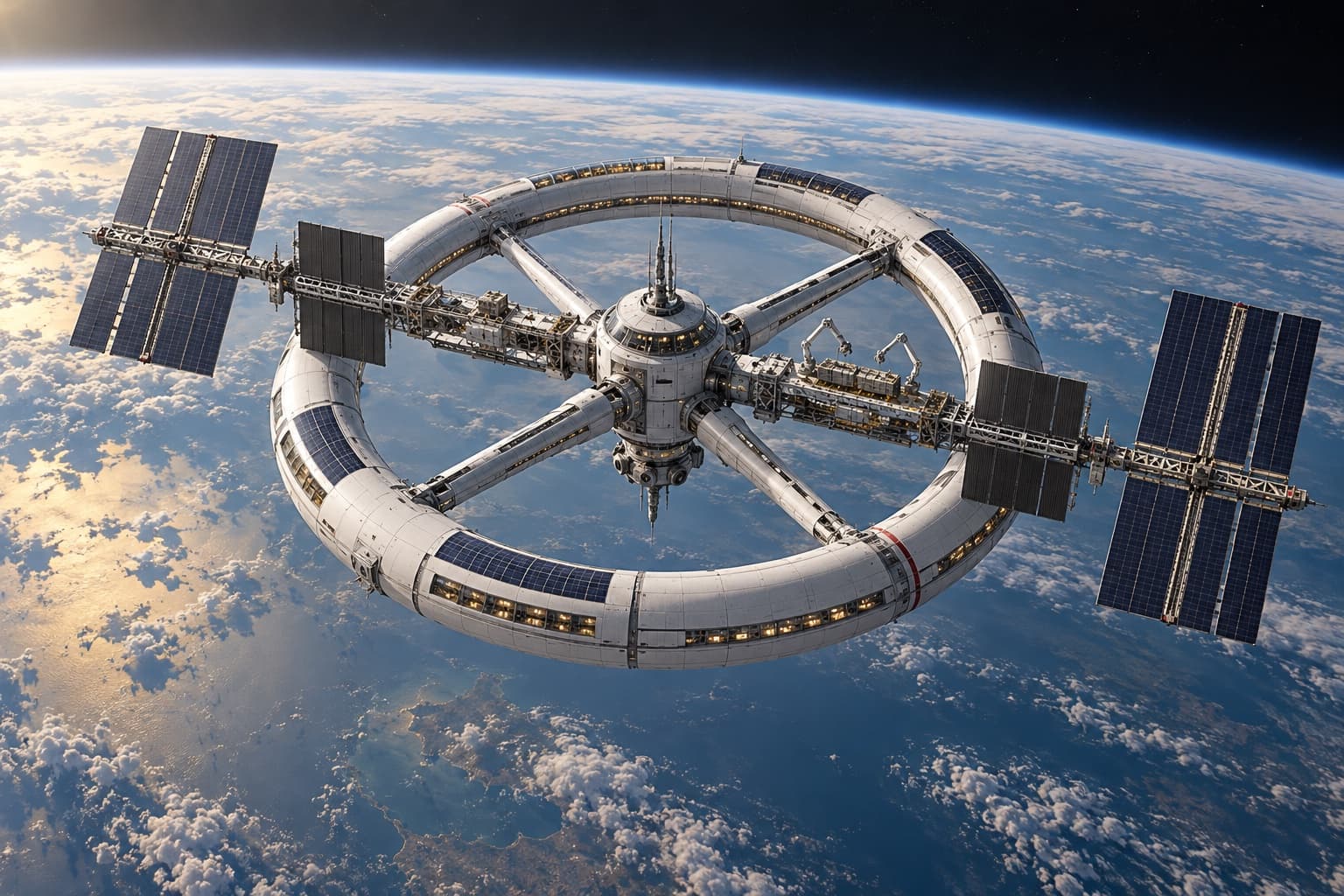
Foundry Ring
ISAM spin-gravity habitat
An orbital ring for assembly, living, and work in partial gravity.
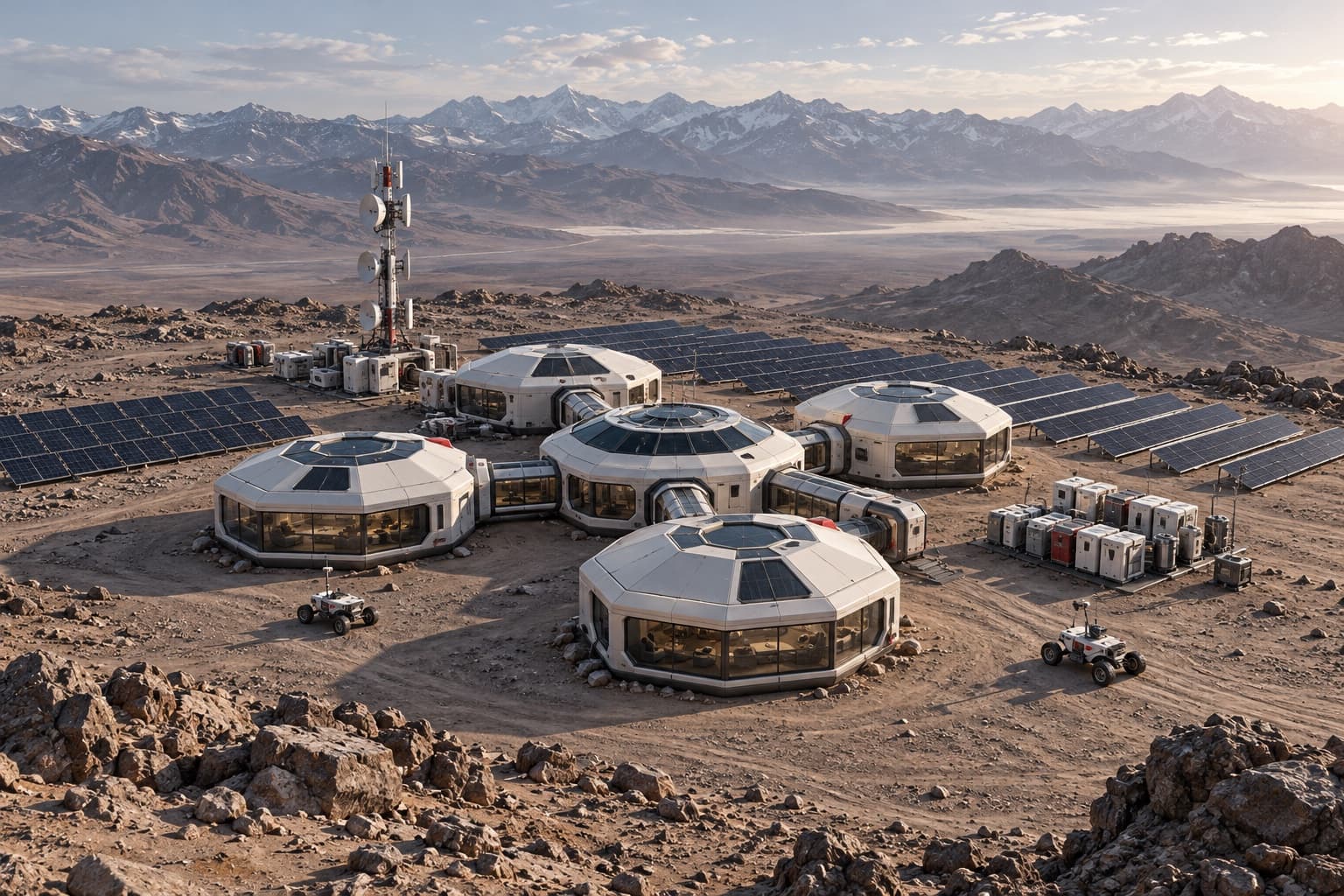
Terra Node
Terrestrial autonomous base
A base on Earth, built and powered where the grid does not reach.
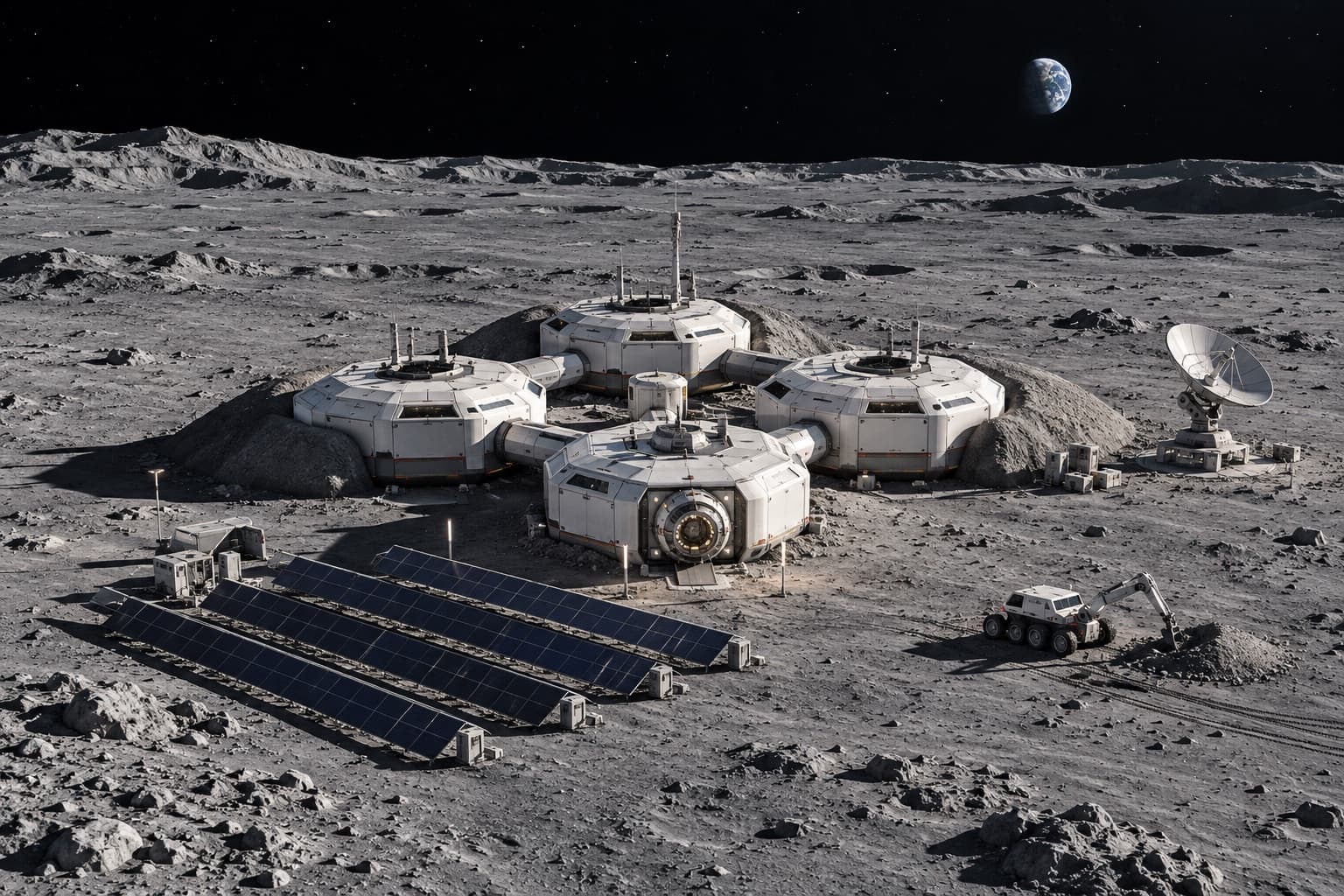
Selene Node
Lunar surface settlement
A lunar habitat, shielded and serviced for a stay on the surface.
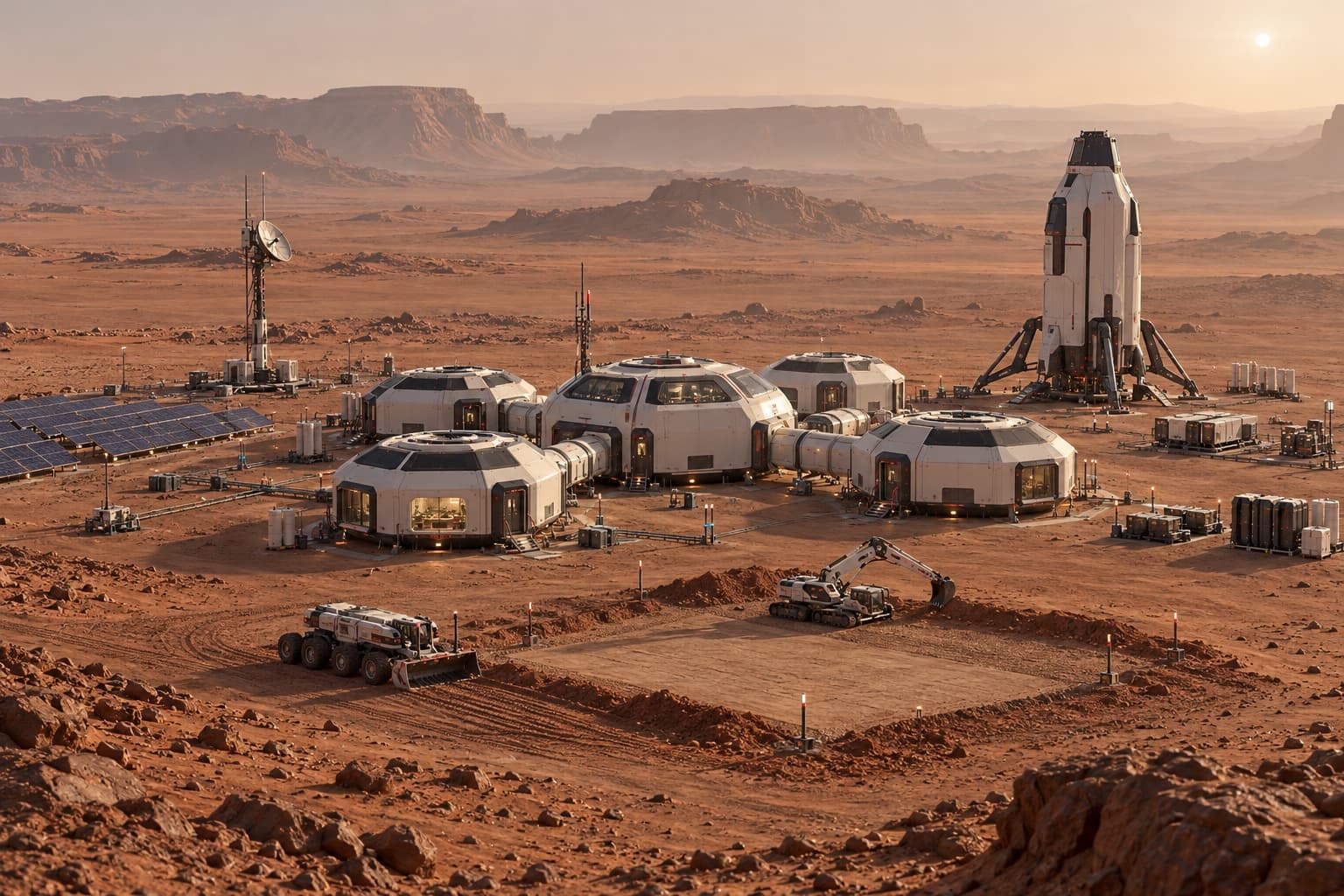
Ares Node
Mars surface settlement
A Mars habitat, with the cargo and the machines that prepare the site.
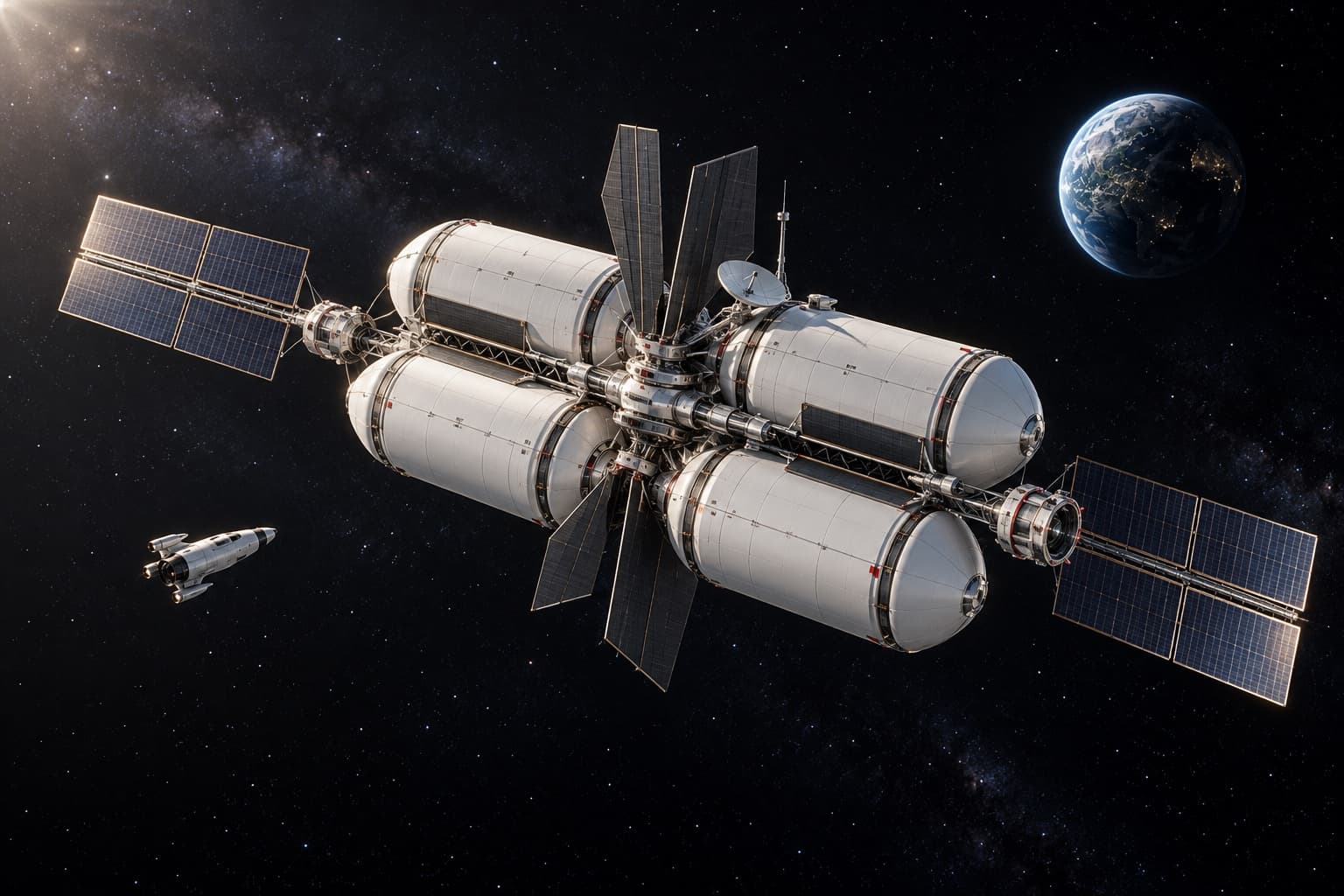
Drift Node
Free-flying deep-space depot
A depot in space for propellant and the logistics of a deep-space voyage.
Missions
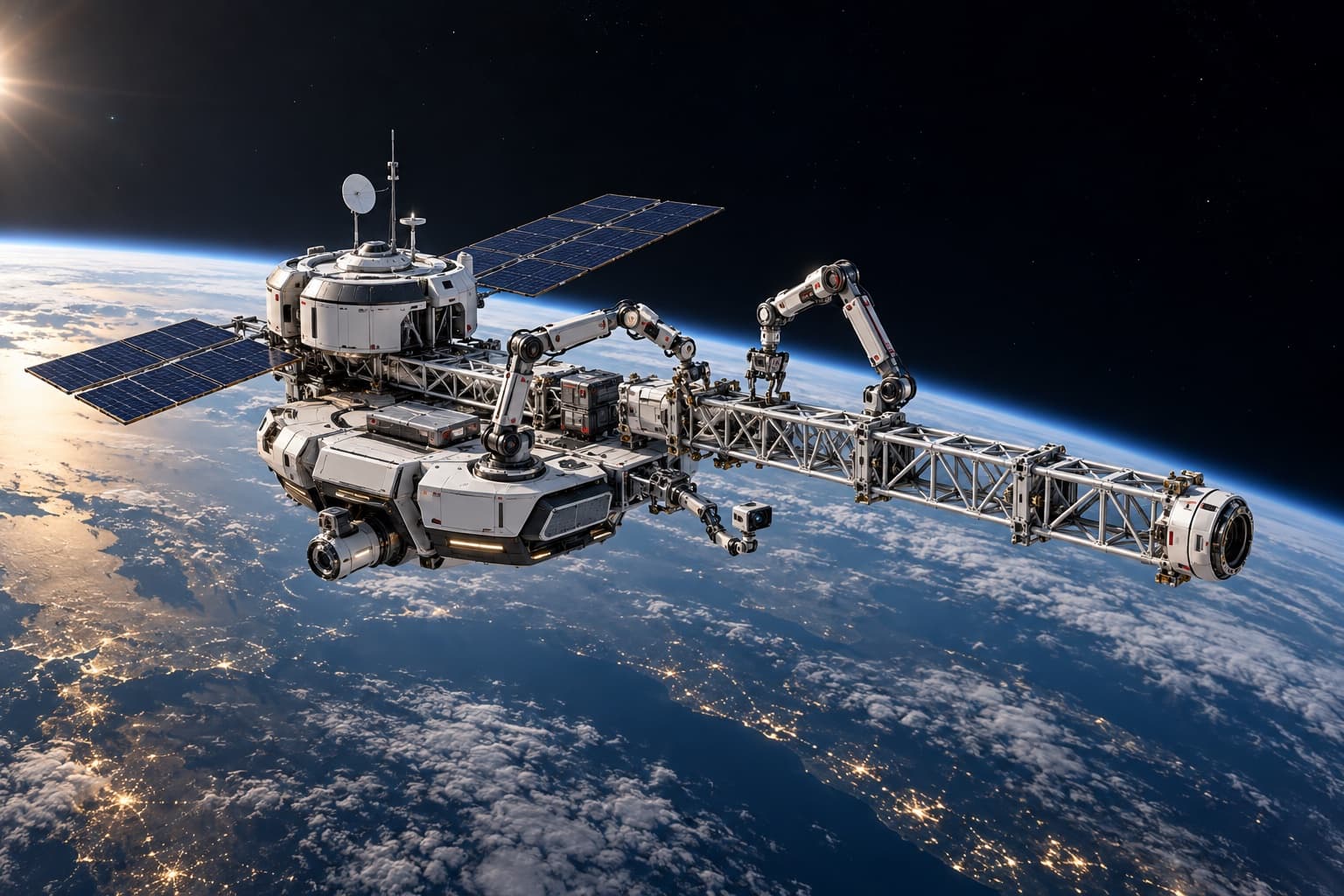
ISAM
In-space assembly & manufacturing
Assembly and manufacturing of structures that do not fit in a single launch.
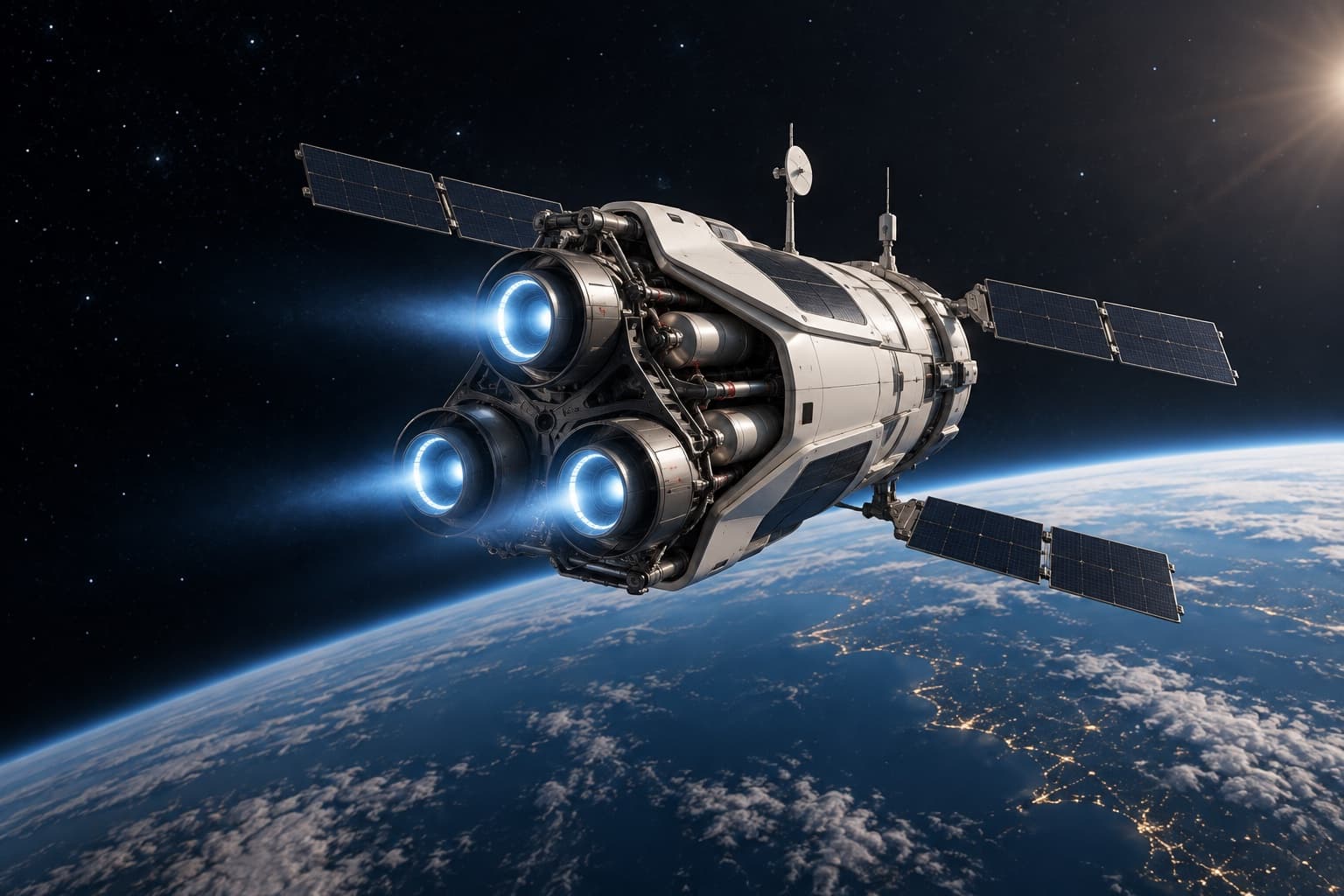
Advanced Propulsion
High-power & high-Isp propulsion
Electric propulsion for orbit-raising and for the long transfer.
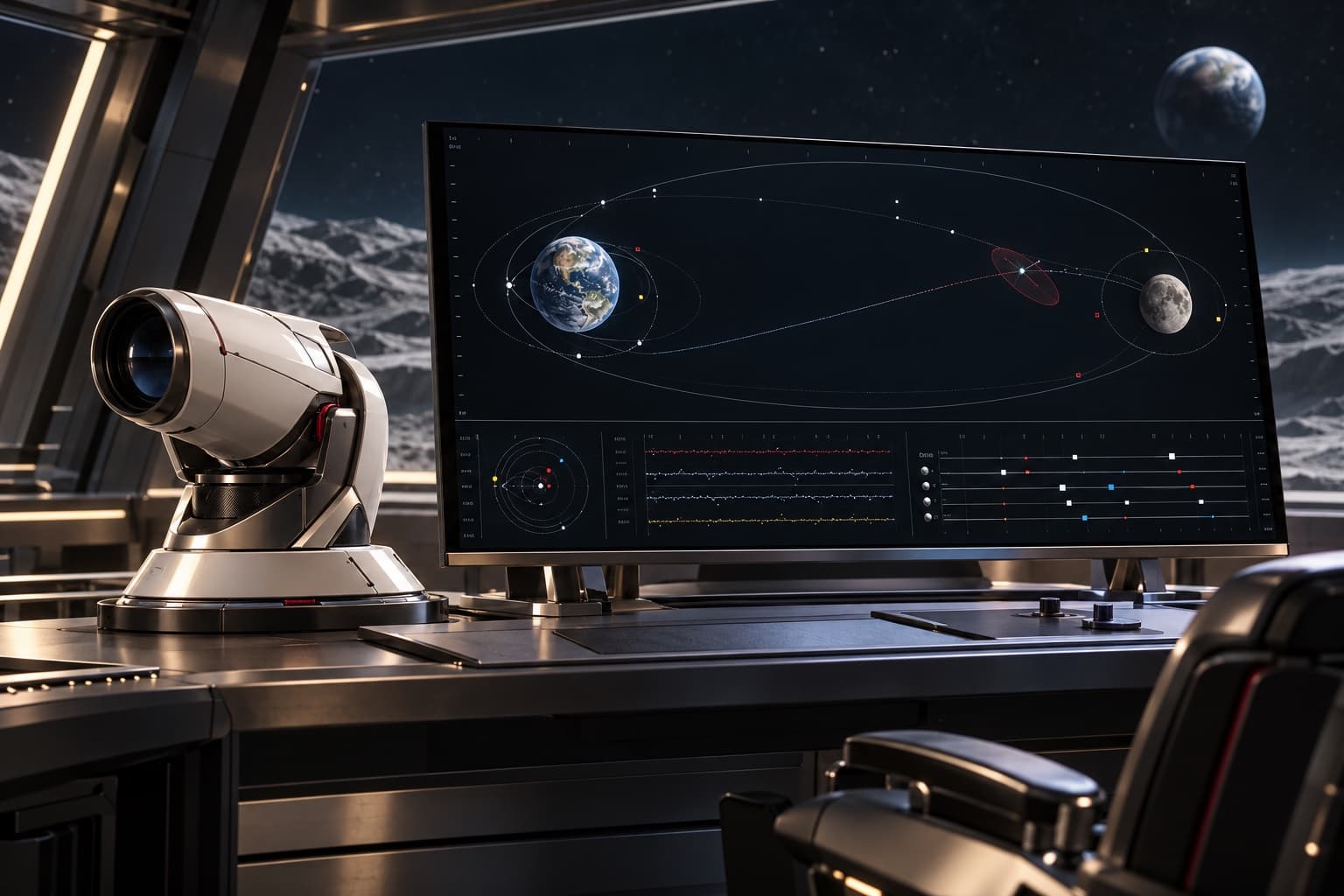
Cislunar & SDA
Cislunar ops & space-domain awareness
Navigation, tracking, and space-domain awareness beyond geostationary orbit.
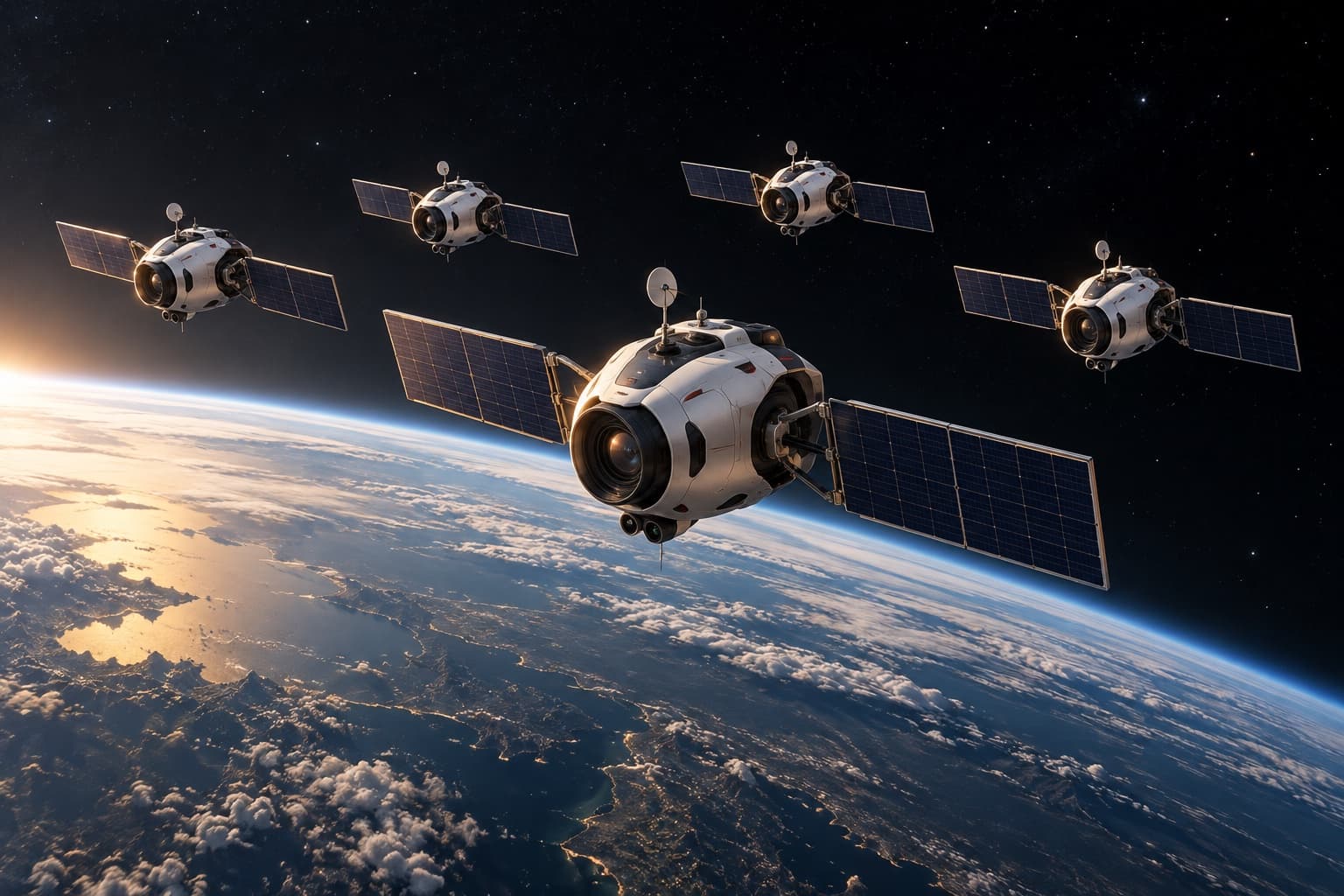
Swarm Autonomy
Multi-vehicle swarm autonomy
Coordination for a group of spacecraft working one mission.
On-Orbit Servicing
Servicing, refueling & life extension
Rendezvous, inspection, refueling, and support for spacecraft already in orbit.
Spacecraft systems
The SF family shares structures, power, avionics, and payload interfaces from small satellites through GEO-class missions.
Launch integration
Launch is planned with the spacecraft: orbit, loads, separation, and the campaign.
Mission architecture
Flight software, ground systems, and habitats connect the vehicle with the people and the infrastructure of the mission.
Deployed
Orbital Foundry
Mission planning, spacecraft information, and operations in one workspace.
Spacecraft configurator
A spacecraft configuration interface for comparing bus and payload requirements before discussing a mission with Segal Aerospace.
On the homepage
Orbital systemsBuild the frontier
with us.
Share the objective, the requirements, and the business you want to reach. Project and partnership enquiries all come through the same form.
Discuss a Project