· Segal Industries
A new view of the portfolio
LOS ANGELES — Segal Industries is publishing an expanded introduction to Segal Aeronautics, bringing its programs and engineering priorities into a connected public overview. The introduction is designed for readers moving from a broad area of interest to a specific technical discussion. The aeronautics introduction organizes aircraft around the jobs they are intended to do. Heavy freight, persistent sensing, regional mobility and high-altitude communications require different airframes and operating arrangements. Bringing those programs into one editorial view makes their differences easier to examine. It also makes the ground operation visible: where an aircraft is supported, how its energy is managed and who supervises its movement.
The work inside the division
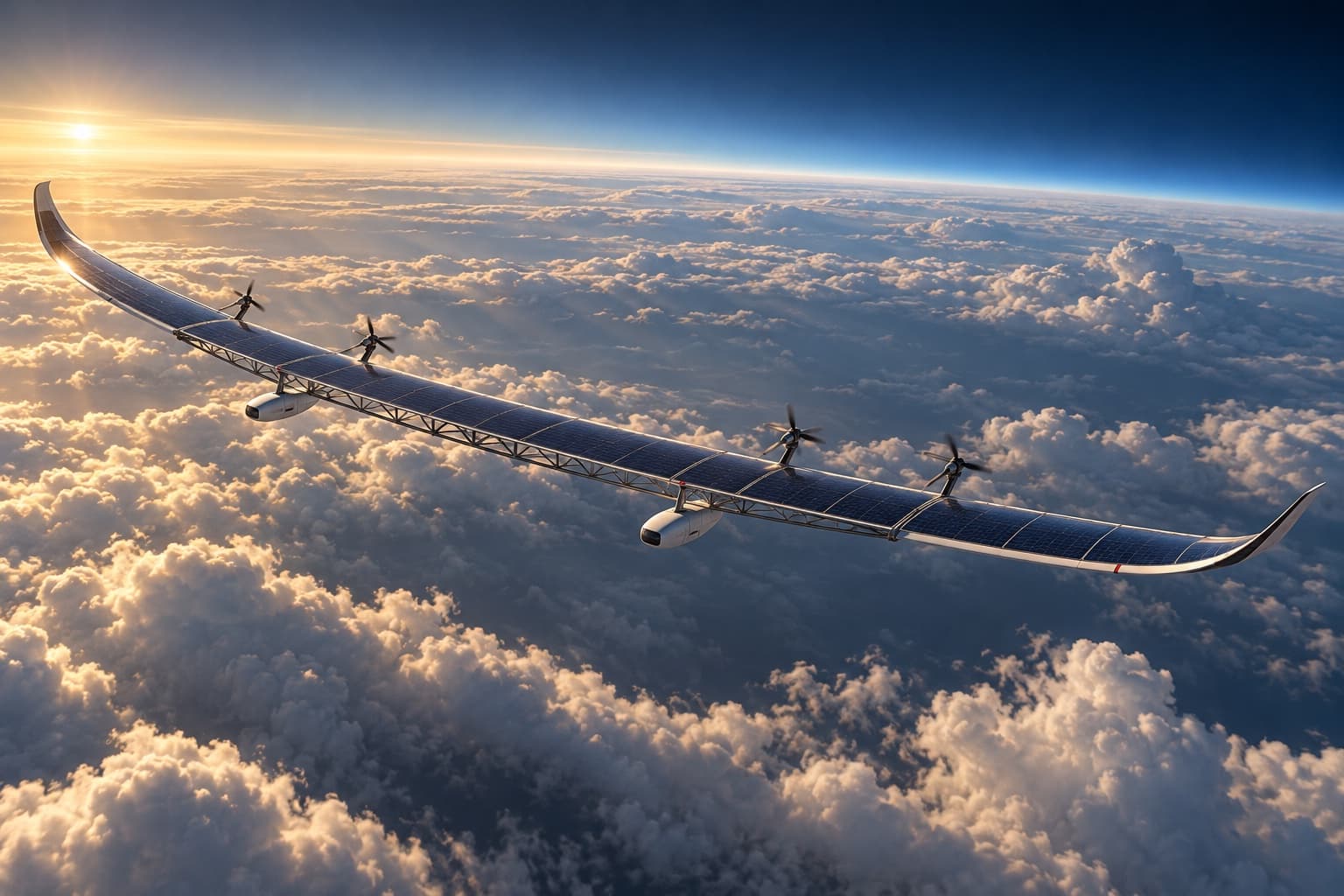
Segal Lift carries heavy freight to sites without a runway, including outsized loads, pallets, and cold chain. Vigil stays overhead with a sensor. Transit flies people and priority cargo between vertiports. Apex holds station in the stratosphere. Vector flies the aircraft. Hangar configures it. Apron runs energy, maintenance, and dispatch on the ground.
The introduction uses the division’s development sequence to organize that work: define the mission and environmental envelope; compare lift, propulsion, energy and handling architectures; and define performance tests and operational review requirements. The intended output is the aircraft and an evaluation plan for the intended mission.
The interfaces around the system
The scope connects with Segal Energy to compare energy storage, refueling or charging, and ground-power assumptions against the mission. The scope connects with Segal Robotics to frame supervised navigation, actuator control, fault detection, and operator intervention. The scope connects with Segal Supply to identify payload handling, route support, maintenance consumables, and sourcing constraints.
Proposed deliverables include requirements for the aircraft: Lift, Vigil, Transit, or Apex; an integrated view of airframe, autonomy, energy and ground-support requirements; a validation plan addressing performance, oversight and contingency behavior. These establish a practical basis for discussing the work and the evidence it should produce.
Beginning a technical conversation
The route, the payload, and the ground turn define the aircraft. Each aircraft is specified for its route, its energy, its ground handling, and the operator who supervises it.
The published introduction links to the Segal Aeronautics program directory and its individual system descriptions. Readers can use those pages to identify the relevant scope, then bring the requirements of their own project into the discussion. This publication introduces the portfolio and its development questions; project-specific specifications and responsibilities are established through the applicable review.