· Segal Industries
A new view of the portfolio
LOS ANGELES — Segal Industries is publishing an expanded introduction to Segal Aerospace, bringing its programs and engineering priorities into a connected public overview. The introduction is designed for readers moving from a broad area of interest to a specific technical discussion. The aerospace introduction follows a mission across the boundaries that can otherwise divide its development: payload, spacecraft, launch, ground operations and the people using the result. It gives readers a way to understand the portfolio through the purpose of the mission rather than through a disconnected equipment list. A satellite platform and an orbital working environment pose different questions, but both require a complete account of the infrastructure around them.
The work inside the division
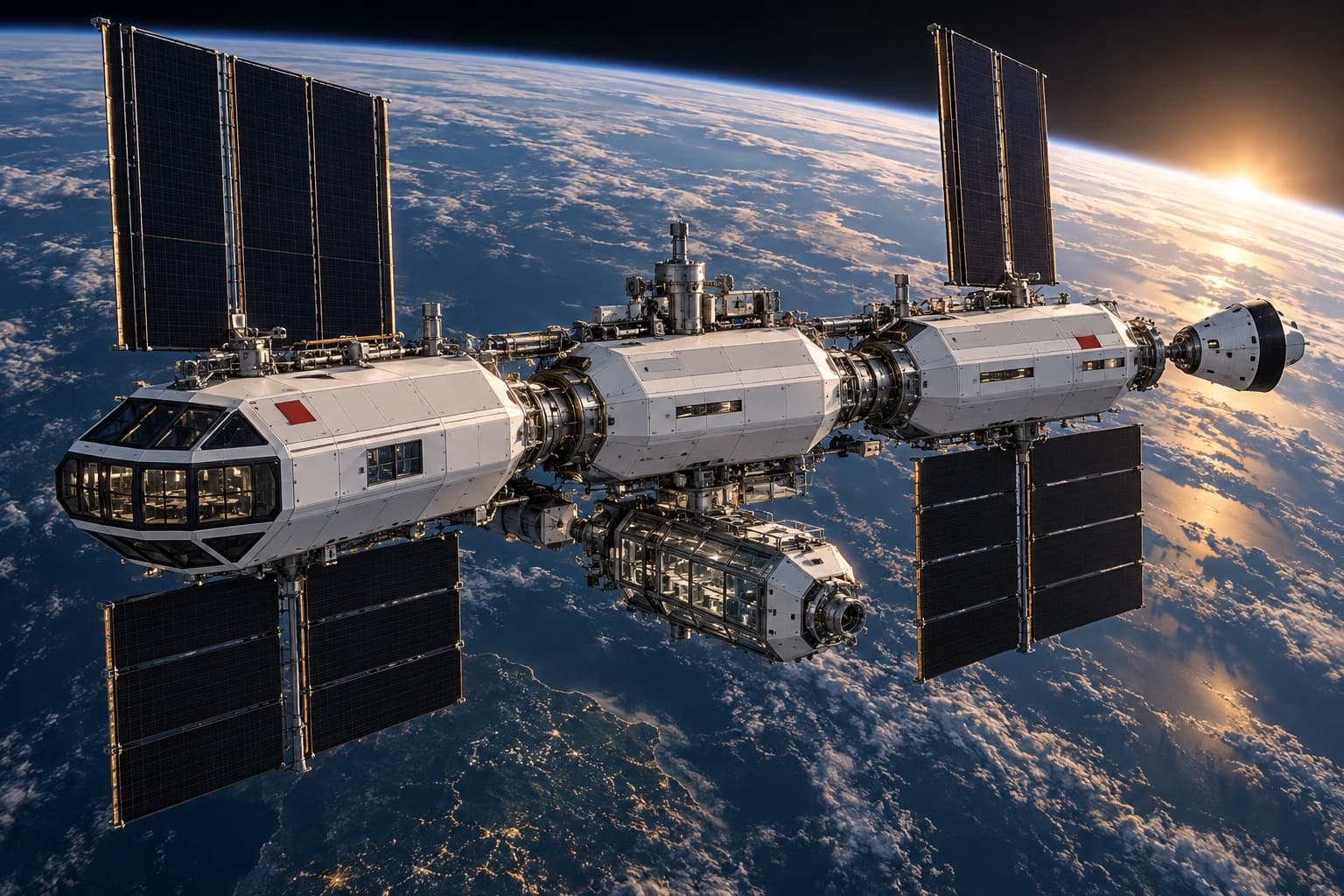
The SF family shares structures, power, avionics, and payload interfaces from small satellites through GEO-class missions. Launch is planned with the spacecraft: orbit, loads, separation, and the campaign. Flight software, ground systems, and habitats connect the vehicle with the people and the infrastructure of the mission.
The introduction uses the division’s development sequence to organize that work: allocate mass, power, thermal, and data budgets; compare spacecraft and ground-system architectures; and define integration tests and mission acceptance criteria. The intended output is a coordinated mission architecture and integration plan.
The interfaces around the system
The scope connects with Segal Electronics to translate payload needs into proposed power, avionics, and communications interfaces. The scope connects with Segal Compute to map telemetry, command authorization, data processing, and ground-system responsibilities. The scope connects with Segal Fabrication to coordinate structure, materials, manufacturing access and spacecraft integration requirements.
Proposed deliverables include spacecraft requirements and architecture aligned with payload, orbit and lifetime; launch compatibility and verification requirements connected with ground-system planning; an operations plan for telemetry, commanding, contact planning, and responsibilities. These establish a practical basis for discussing the work and the evidence it should produce.
Beginning a technical conversation
Share the mission objective, payload requirements, target orbit and intended lifetime to establish an initial technical scope. Mission planning includes spectrum, licensing, ground access, disposal and verification requirements from the outset.
The published introduction links to the Segal Aerospace program directory and its individual system descriptions. Readers can use those pages to identify the relevant scope, then bring the requirements of their own project into the discussion. This publication introduces the portfolio and its development questions; project-specific specifications and responsibilities are established through the applicable review.