· Segal Industries
A new view of the portfolio
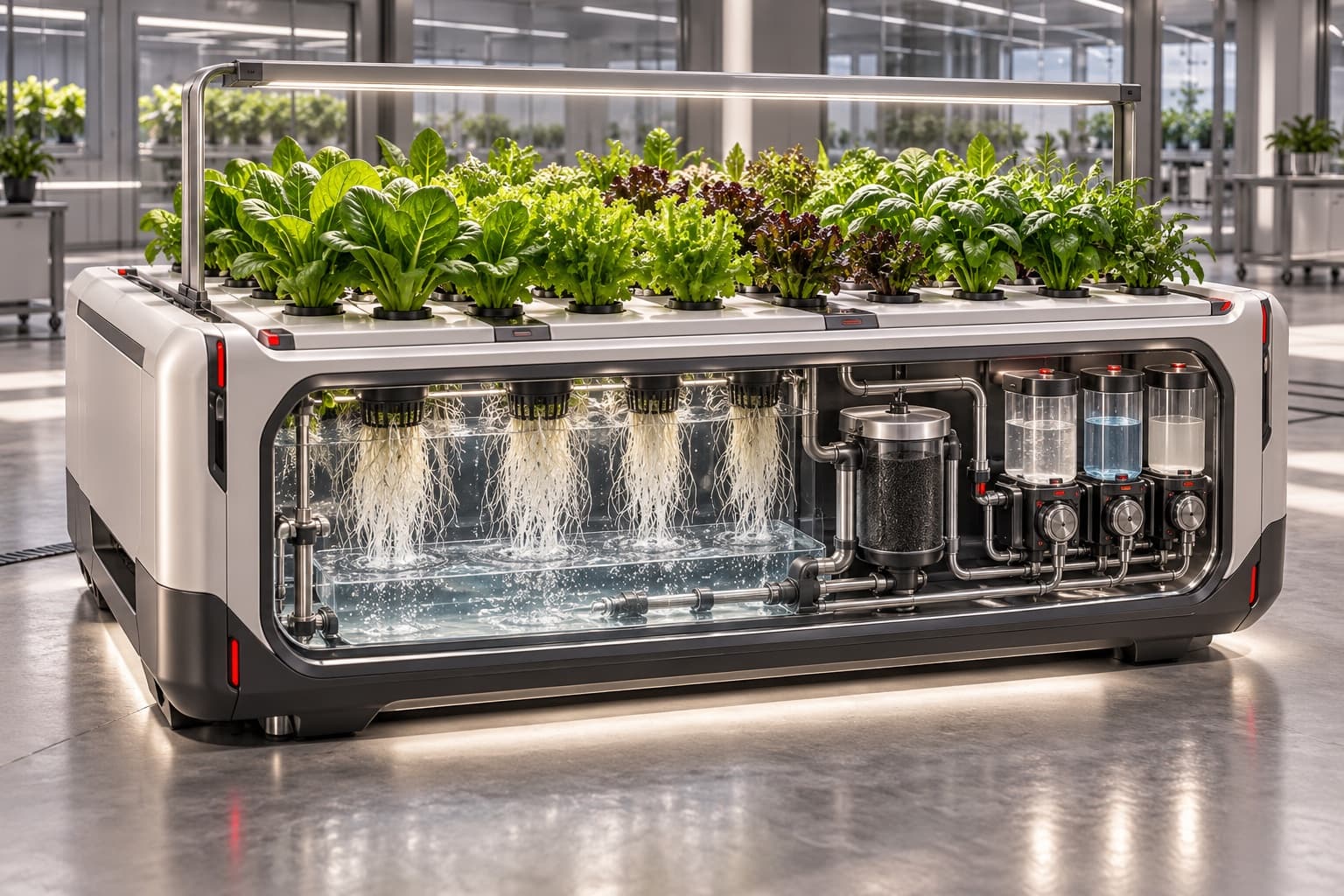
LOS ANGELES — Segal Industries is publishing an expanded introduction to Segal Agriculture, bringing its programs and engineering priorities into a connected public overview. The introduction is designed for readers moving from a broad area of interest to a specific technical discussion. The agriculture introduction connects controlled environments with the work of running a growing operation. Light, air, water and nutrients are physical inputs, while sanitation, maintenance and observation are continuing responsibilities. Bringing indoor growing, field systems and farm management into one overview makes those relationships easier to follow. The crop and the local conditions remain the starting point rather than an assumed universal production recipe.
The work inside the division
Vertical farming and hydroponics connect light, air, water, and nutrients to the crop. Irrigation and machinery are assessed against soil conditions, seasonal work, energy use and maintenance needs. Planning and recordkeeping connect system design with crop trials, resource consumption and measured results.
The introduction uses the division’s development sequence to organize that work: set crop and environmental requirements; balance water, light, nutrients, heat, and labor; and define crop trials and seasonal performance measurements. The intended output is a growing system and a measurable trial plan.
The interfaces around the system
The scope connects with Segal Energy to account for lighting, climate-control, pumping, and useful heat within the farm's actual energy balance. The scope connects with Segal Robotics to assess specific transplanting, inspection, handling, and cleaning tasks against crop variability. The scope connects with Segal Development to coordinate structure, drainage, utilities, sanitation zones, and operator circulation.
Proposed deliverables include a growing-system design informed by the crop, site and water conditions; equipment, irrigation and control requirements connected with the seasonal work; a trial plan measuring resource consumption, crop response and saleable yield. These establish a practical basis for discussing the work and the evidence it should produce.
Beginning a technical conversation
The crop, the conditions, the production objective, and the water and energy available define the scope. Trials establish how a proposed system performs under local conditions, including resource use, sanitation and seasonal variation.
The published introduction links to the Segal Agriculture program directory and its individual system descriptions. Readers can use those pages to identify the relevant scope, then bring the requirements of their own project into the discussion. This publication introduces the portfolio and its development questions; project-specific specifications and responsibilities are established through the applicable review.