· Segal Industries
Start With What Must Grow
An agricultural system begins with a crop and the conditions it needs throughout its growth. Water, nutrients, light, temperature, and the work of tending the crop interact over time. The growing environment must also fit the location and the resources available there. Segal Agriculture approaches these relationships as a connected design problem, bringing the biological task into conversation with the physical equipment and operating practices that support it from the first preparation through to harvest and the next cycle.
Follow The Water
Water moves through storage, treatment, distribution, delivery, drainage, and possible recovery. Each stage affects the rest of the system. Understanding that path helps teams describe the equipment, measurements, and maintenance tasks a particular installation requires. Irrigation should therefore be considered in relation to the crop, the site, and the people who manage it. A useful design records the assumptions about water availability and quality so that they remain visible when the system is evaluated or adapted to a different place.
Give The Growing Environment Structure
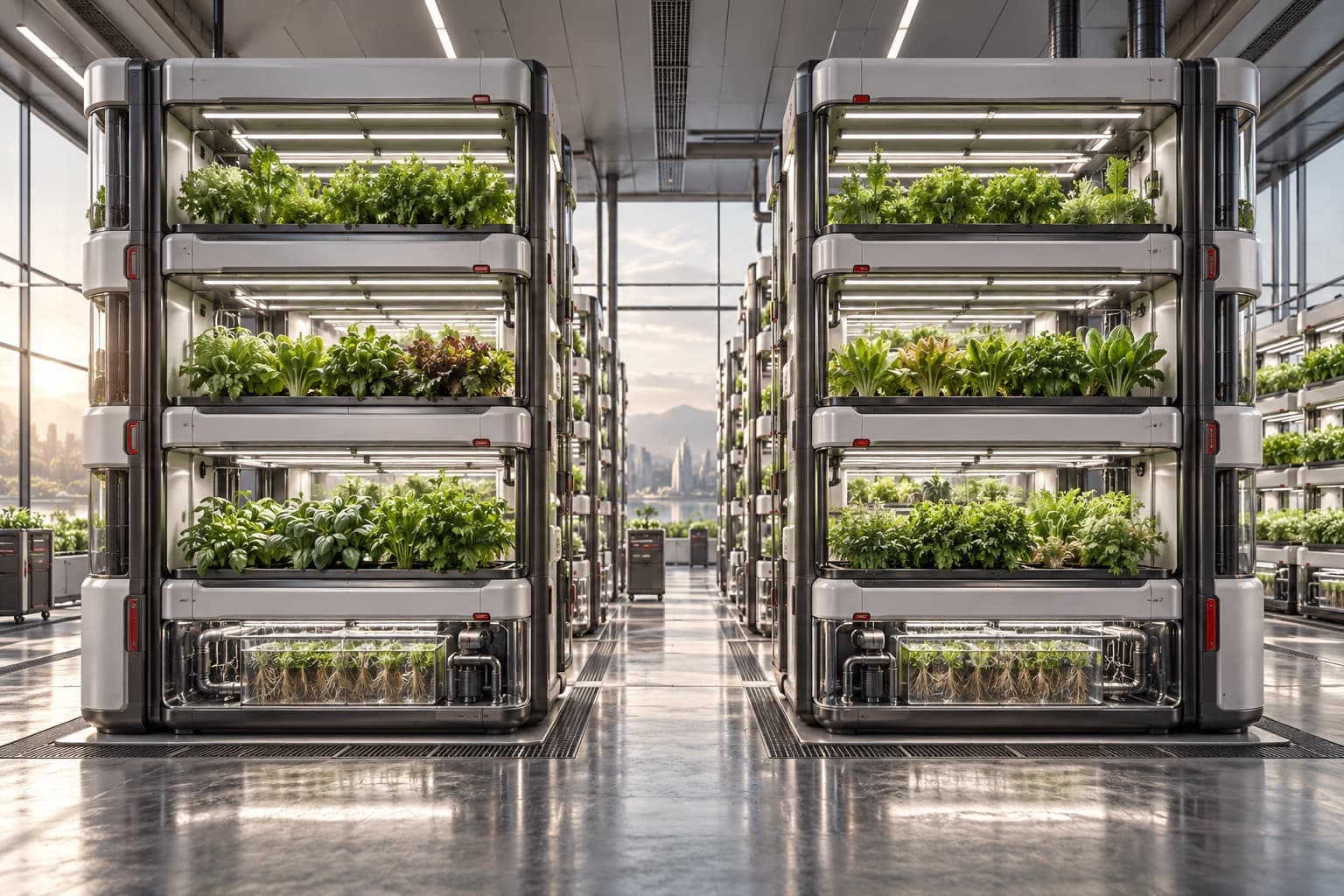
Vertical farming and hydroponic systems organize cultivation within a deliberately arranged environment. Space, access, lighting, circulation, and equipment placement all influence how that environment can be used. The arrangement also shapes how people inspect plants, perform maintenance, and move material through the site. Treating those activities together helps connect a growing method with a practical facility. The result of the design work should be an operating setting that can be understood and supported by the team responsible for each cycle.
Measure For A Real Decision
A measurement becomes useful when it informs an action. A growing team needs to understand where information came from, what conditions it represents, and how it relates to the crop. The placement and maintenance of sensors therefore deserve attention alongside the interface displaying their readings. Recording the context helps preserve meaning as equipment is adjusted or replaced. It also makes it easier to examine a change in the growing environment and decide which part of the system deserves further attention.
Design For The Work Between Cycles
Cleaning, inspection, replacement, preparation, and material handling contribute to an agricultural system's operation. These tasks need space, access, equipment, and clear responsibilities. Their requirements can influence the arrangement of a facility just as strongly as the growing equipment itself. Bringing them into the design discussion early helps a team consider the full cycle of use. It also gives an operator a more complete basis for evaluating a proposed installation and the practical support it will require over time.
Connect Technology With Place
A serious agricultural brief describes the crop, location, water, energy, staffing, and intended operating pattern. It also names the questions that local experience and technical review need to resolve. That foundation creates room for ambitious cultivation systems because it keeps their dependencies connected to the place where they will be used. We want advanced agriculture to join careful environmental design with clear operating information, giving people a more coherent way to understand the equipment, resources, and work supporting what they grow.