· Segal Industries
A new view of the portfolio
LOS ANGELES — Segal Industries is publishing an expanded introduction to Segal Development, bringing its programs and engineering priorities into a connected public overview. The introduction is designed for readers moving from a broad area of interest to a specific technical discussion. The development introduction presents buildings through the processes and conditions required to create them. Survey, geometry, material placement, assembly and inspection belong to the same account. Terrestrial construction, deployable structures and off-Earth infrastructure introduce different constraints, and the overview preserves those differences. It gives readers a route into each program while showing why the destination, the intended use and the supporting utilities must shape the work.
The work inside the division
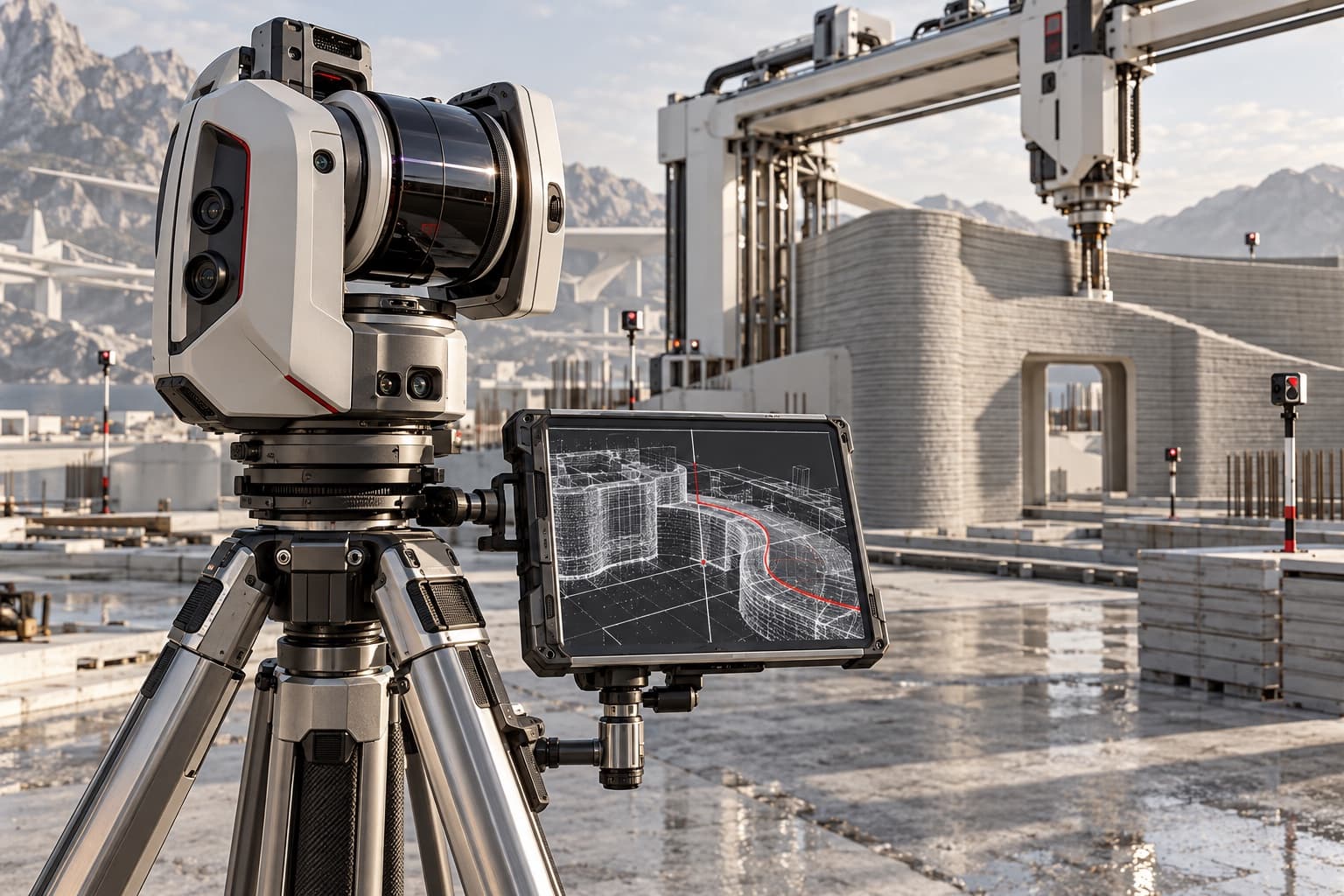
Survey-to-toolpath workflows and large-format printing turn the building requirements into a controlled process. Transportable buildings cover packaging, assembly, foundations, utilities, and the conditions at the destination. Local materials, low-gravity fabrication, and robotic assembly set the requirements for habitats and infrastructure off the Earth.
The introduction uses the division’s development sequence to organize that work: establish site, occupancy, and infrastructure requirements; compare structure, material, and construction; and define validation, inspection and approval requirements. The intended output is a site-informed construction plan and a validation plan.
The interfaces around the system
The scope connects with Segal Fabrication to match printable or prefabricated components to tolerances, transport, assembly, and inspection. The scope connects with Segal Energy to map demand, utility access, thermal loads, and proposed local energy options. The scope connects with Segal Agriculture to coordinate growing spaces with water, drainage, climate and site access.
Proposed deliverables include a site and use assessment defining structural and infrastructure requirements; materials, equipment, and assembly for the construction plan; inspection and approval requirements for the intended structure and jurisdiction. These establish a practical basis for discussing the work and the evidence it should produce.
Beginning a technical conversation
The site, the use, the jurisdiction, the utilities, and the constraints define the build. Structural design, material qualification, inspection and local approval requirements guide each proposed application.
The published introduction links to the Segal Development program directory and its individual system descriptions. Readers can use those pages to identify the relevant scope, then bring the requirements of their own project into the discussion. This publication introduces the portfolio and its development questions; project-specific specifications and responsibilities are established through the applicable review.