· Segal Industries
A new view of the portfolio
LOS ANGELES — Segal Industries is publishing an expanded introduction to Segal Energy, bringing its programs and engineering priorities into a connected public overview. The introduction is designed for readers moving from a broad area of interest to a specific technical discussion. The energy introduction brings several very different physical systems into one disciplined view. Fusion, subsurface heat and biological processes cannot be assessed with the same equipment checklist. They can be examined through their inputs, conversion processes, control requirements and the evidence needed to support a result. The overview makes that shared accounting visible while preserving the distinct engineering questions inside each program.
The work inside the division
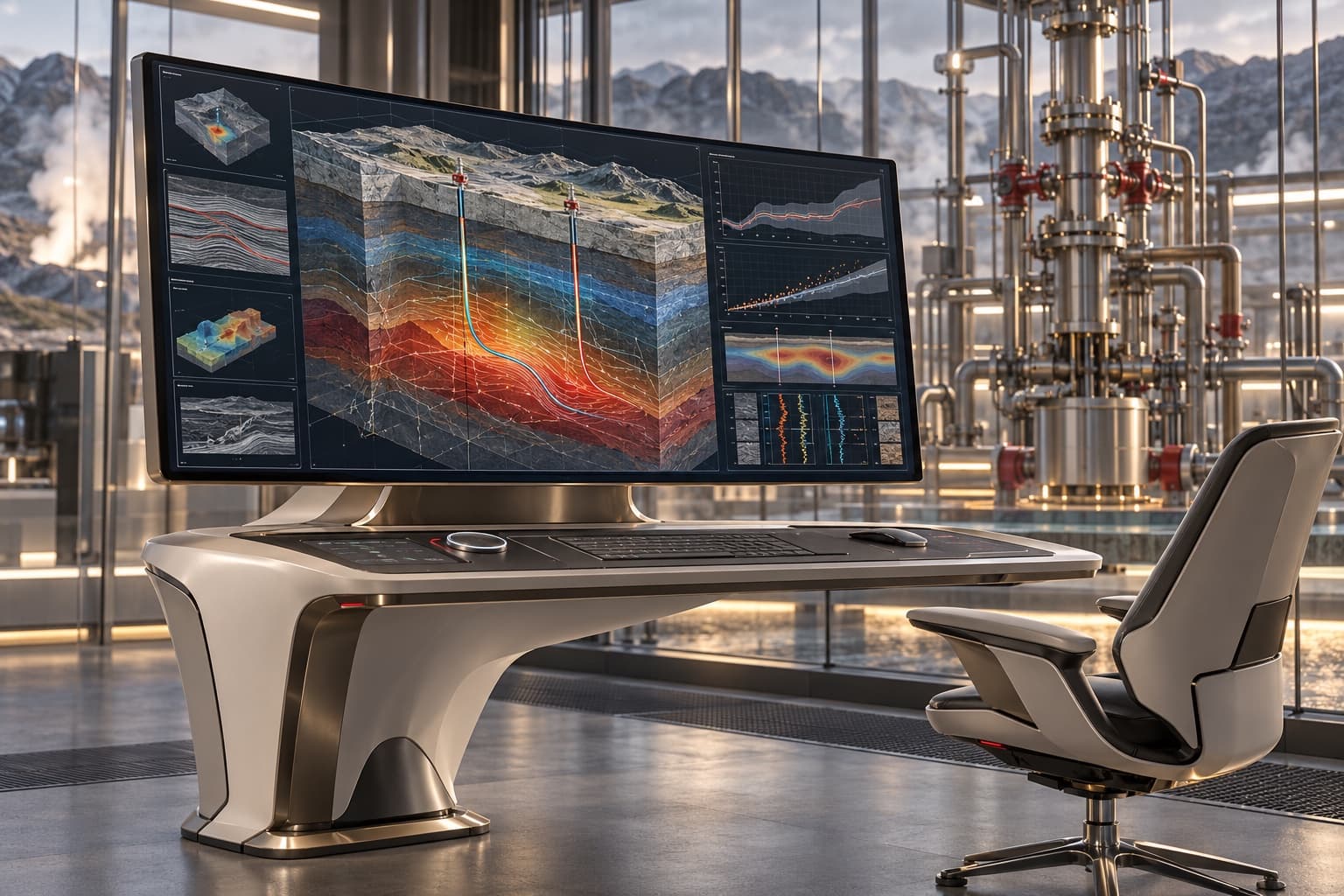
Plasma control, high-field magnets, and plasma-facing materials are one engineering problem. The subsurface model, the well, and the surface plant follow the geology, the heat demand, and the site. Photobioreactors, biohydrogen, and resource recovery are judged with water, material, and energy inputs.
The introduction uses the division’s development sequence to organize that work: name the resource and the demand; compare conversion paths and the full system; and set the measurement and the gate. The intended output is a plant with a complete system boundary.
The interfaces around the system
The scope connects with Segal Agriculture to evaluate heat, water, nutrients and biomass flows within a consistent energy and carbon model. The scope connects with Segal Development to match proposed generation or thermal systems to site demand, utilities, and maintenance constraints. The scope connects with Segal Compute to connect simulation inputs and measured telemetry with clear provenance and review.
Proposed deliverables include a program assessment linked to the resource, demand and available evidence; a system model accounting for all material and energy inputs and outputs; a measurement and test plan for evaluating the central performance assumptions. These establish a practical basis for discussing the work and the evidence it should produce.
Beginning a technical conversation
The resource, the demand, the site, and the measurements define the plant. Performance assessments account for total inputs, operating constraints and the evidence required to advance to the next development stage.
The published introduction links to the Segal Energy program directory and its individual system descriptions. Readers can use those pages to identify the relevant scope, then bring the requirements of their own project into the discussion. This publication introduces the portfolio and its development questions; project-specific specifications and responsibilities are established through the applicable review.