· Segal Industries
A new view of the portfolio
LOS ANGELES — Segal Industries is publishing an expanded introduction to Segal Fabrication, bringing its programs and engineering priorities into a connected public overview. The introduction is designed for readers moving from a broad area of interest to a specific technical discussion. The fabrication introduction organizes machines around the requirements of a finished part. Geometry, material, tolerances and inspection determine which process deserves examination. The overview therefore places machine families alongside process development and the record of production. It helps a reader compare manufacturing approaches without implying that every machine addresses the same materials, scale or acceptance requirements.
The work inside the division
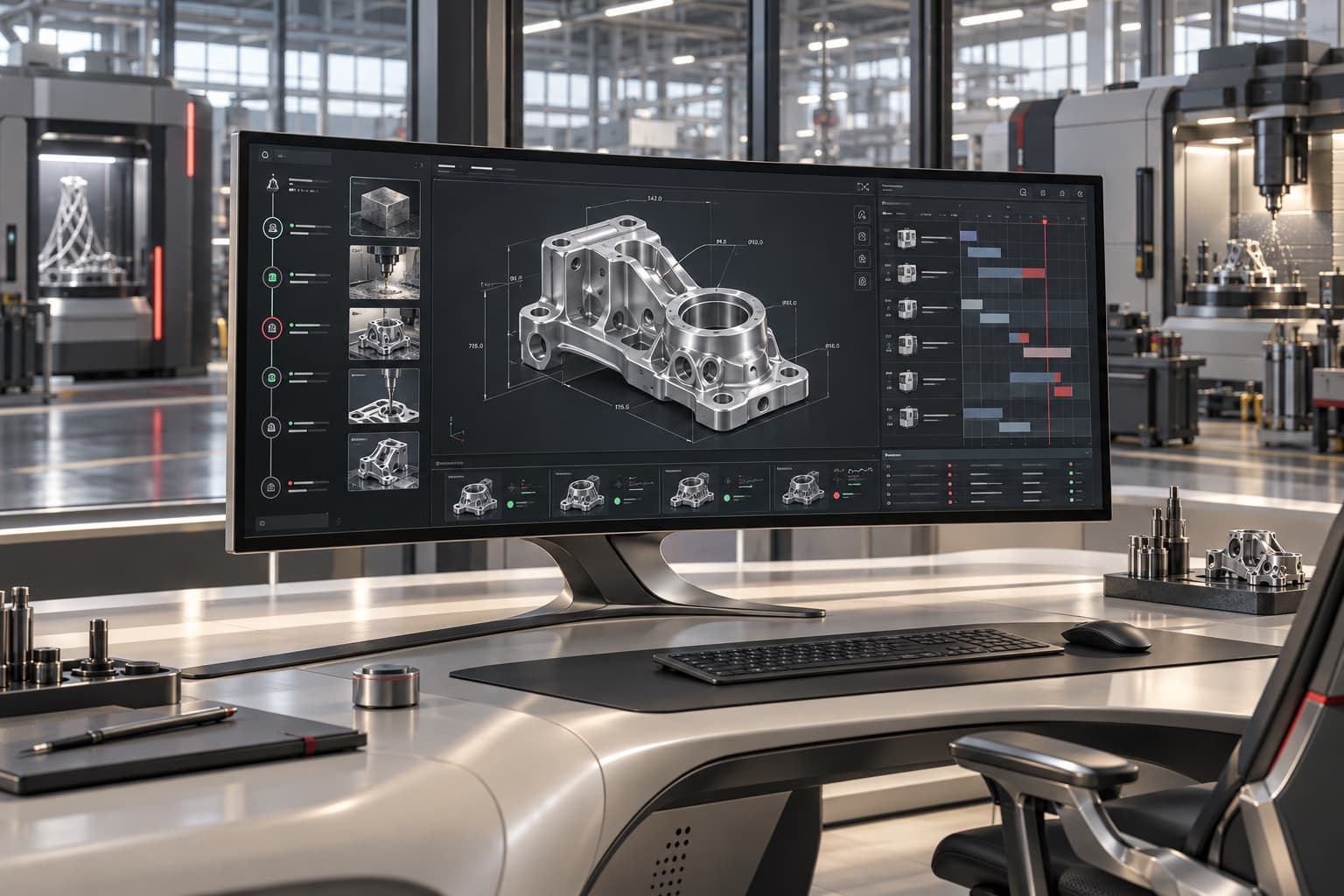
Forge, Axis, Arc, Sinter and Flux organize complementary manufacturing processes around the needs of the finished part. Material, fixtures, finishing, and metrology follow the manufacturing sequence. Foundry OS and the shared floor put the machines, the schedule, and the technical teams in one shop.
The introduction uses the division’s development sequence to organize that work: review geometry and process constraints; define tooling, setup, and inspection needs; and plan a first article and acceptance review. The intended output is a manufacturing process and a first-article plan.
The interfaces around the system
The scope connects with Segal Robotics to coordinate fixturing, repeatable handling, machine tending, and operator access. The scope connects with Segal Supply to identify feedstock specifications, material traceability, consumables, and sourced-component dependencies. The scope connects with Segal Development to connect construction-scale equipment, material requirements and assembly sequencing.
Proposed deliverables include a process and equipment assessment matched to material, geometry and tolerance; tooling, toolpath and control requirements linked to the proposed sequence; an inspection plan defining acceptance of a first article. These establish a practical basis for discussing the work and the evidence it should produce.
Beginning a technical conversation
The drawing, the material, the tolerances, the quantity, and the inspection define the process. Equipment readiness, process capability and first-article verification are established before a production scope is agreed.
The published introduction links to the Segal Fabrication program directory and its individual system descriptions. Readers can use those pages to identify the relevant scope, then bring the requirements of their own project into the discussion. This publication introduces the portfolio and its development questions; project-specific specifications and responsibilities are established through the applicable review.