· Segal Industries
A Personal Connection To Place
The Philippines holds a personal significance for Kevin Segal through his maternal ancestral background. His interest in modernization there connects that heritage with the broader technological ambitions behind Segal Industries. The work he pursues includes the use of AI and large-scale data systems to modernize government and enterprise operations. That direction begins with people and institutions carrying real responsibilities, and with the practical question of how better tools can help them understand information, coordinate work, and deliver the services on which others depend.
Understand The Service Before The Software
A public or enterprise service usually involves a sequence of people, records, decisions, and handoffs. Understanding that sequence gives modernization a useful starting point. A new interface should reflect what the organization is trying to accomplish and the circumstances of the people using it. Existing records, local practices, language, access, and responsibility all influence the design. Listening to those details helps a team identify where technology can make the process clearer and where the underlying workflow itself needs careful examination.
Give Data A Reliable Foundation
Data can support a decision when its identity, origin, quality, and meaning are understood. Bringing records together therefore requires more than placing them in one database. Teams need a shared account of the fields, definitions, ownership, and changes that make the information useful. A record should remain traceable through the process using it. This foundation helps institutions evaluate the role of analytical tools and makes it easier to identify gaps that need attention before a more automated workflow is introduced.
Put AI In A Defined Role
AI can be considered as one part of a service architecture, with a specific task and a clear path for review. The people using a result need to understand what information supported it and which decisions remain their responsibility. Error handling, access, and the ability to correct a record belong in the design discussion. This approach connects advanced tools with the institution's actual work, allowing the system to be evaluated through the tasks it supports and the evidence available about its behavior.
Connect Modernization With The Built Environment
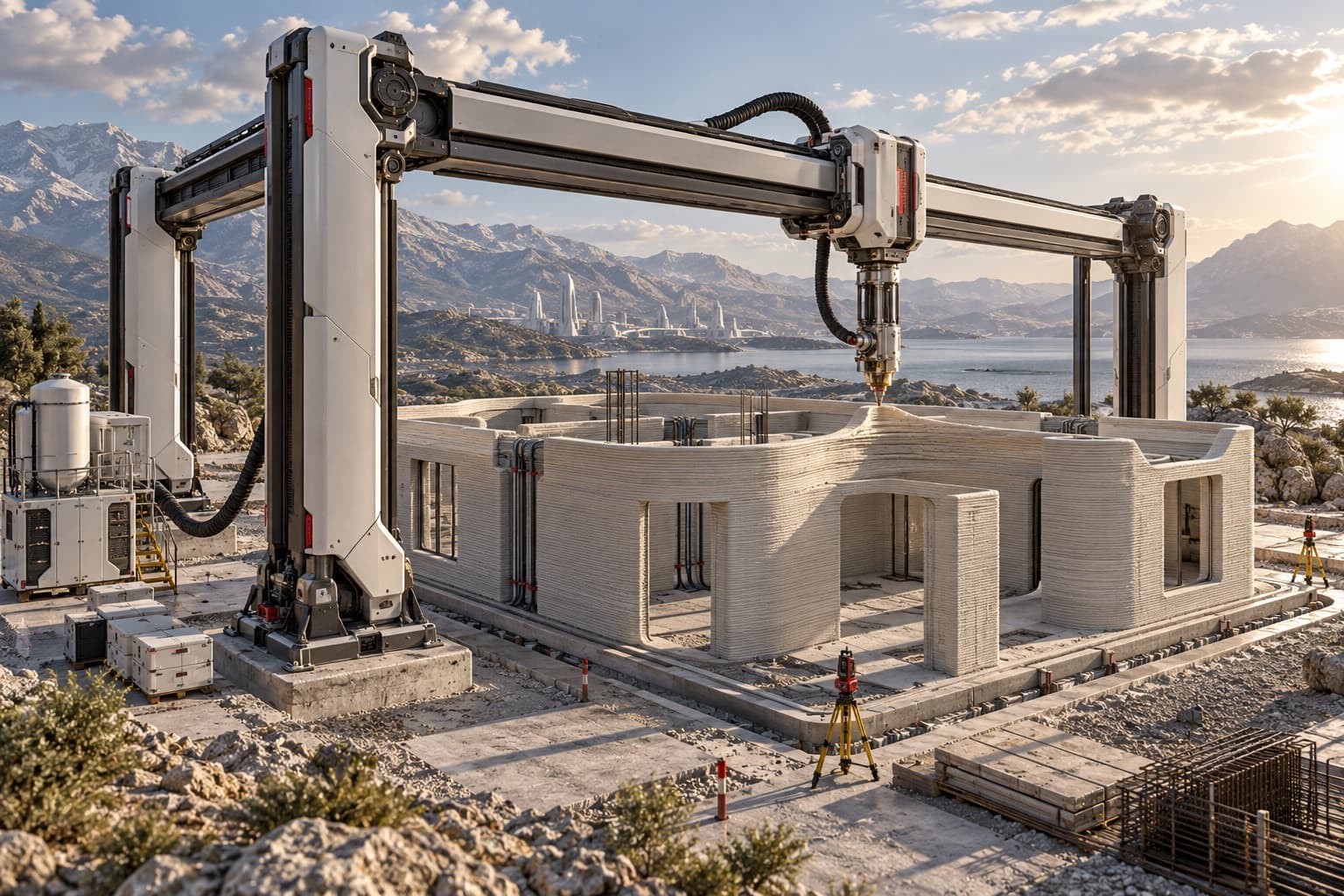
Government and enterprise activity also depends on buildings, power, connectivity, equipment, and maintenance. Digital modernization becomes more complete when those physical conditions remain visible. A service used across several locations may face different access and support needs at each one. Segal's interests in architecture, automation, electronics, computing, and development provide complementary ways to examine that setting. The aim is a coherent relationship between the people delivering a service, the information they use, and the infrastructure that allows the work to continue.
Pursue Progress With Local Responsibility
An ambitious modernization effort should give local expertise a central role. The people who understand an institution and a place help define what improvement means and how it should be evaluated. A useful engagement establishes the problem, responsibilities, data boundaries, and measures of practical usefulness before expanding the scope. Our interest in the Philippines is grounded in that connection between technological possibility and local reality, pursuing tools and infrastructure that can be understood, maintained, and adapted by the people who will carry them forward.