· Segal Industries
The published technical focus
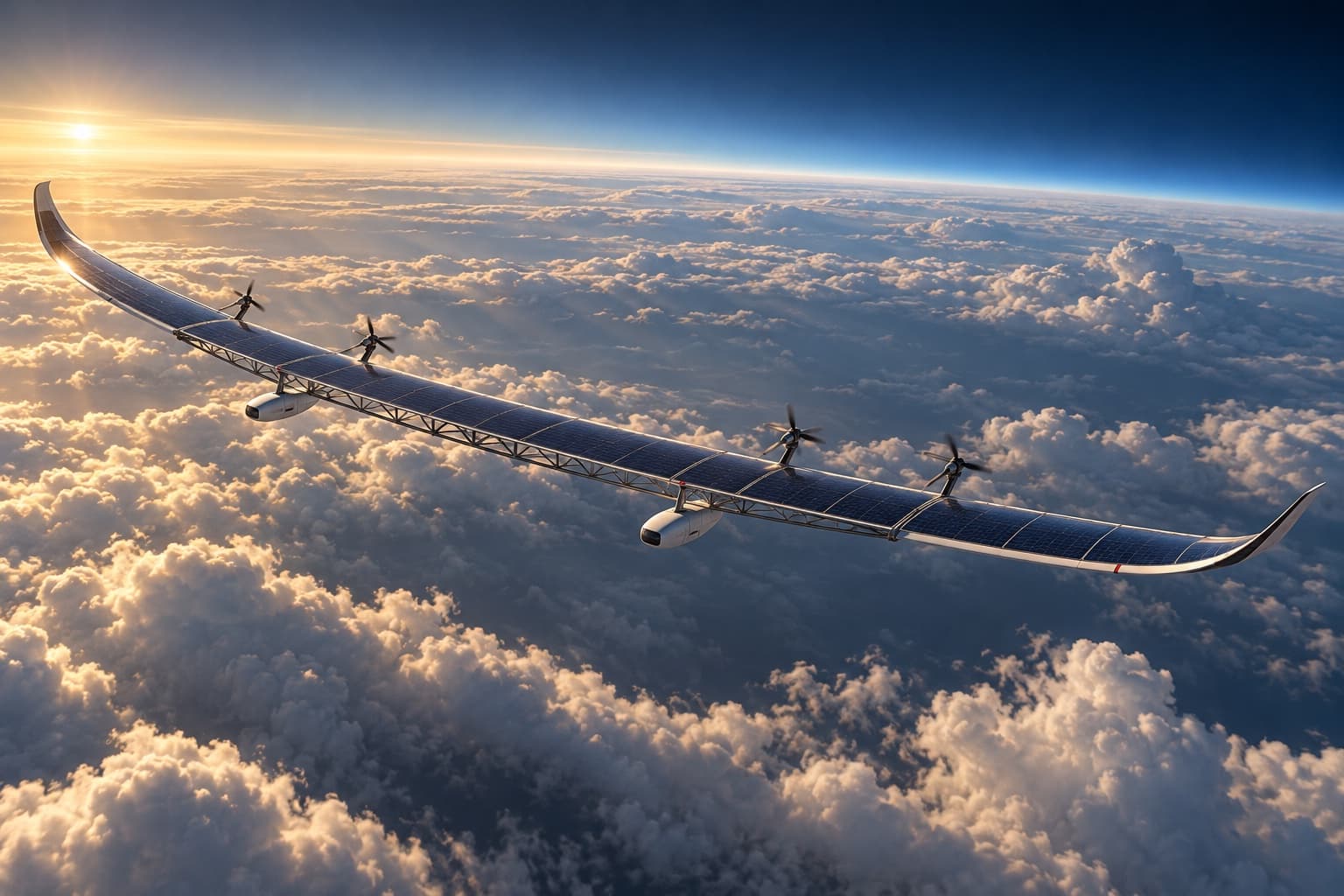
LOS ANGELES — Segal Industries is publishing a technical focus on Segal Apex within the Segal Aeronautics portfolio. The article examines the program’s central engineering question and the relationships a useful development scope must preserve. A solar aircraft that holds station above the weather.
A persistent aerial platform has to be examined across a changing cycle rather than at a single favorable moment. The relationship between collection, stored energy, propulsion and payload use determines which operating questions need attention. For Apex, that framing connects the aircraft structure with its intended observation or communications role and the information that has to reach the ground.
How the system is framed
The ground relationship remains important even when the intended platform spends its time far above it. Supervision, communications and the handling of a changing environment need an explicit place in the operating approach. The new focus invites readers to consider those dependencies together. It does not replace mission-specific analysis with a general endurance figure or assume that every payload creates the same demands on the aircraft.
Segal Apex is a high-altitude platform for communications relay and wide-area observation. It lives in the stratosphere, on solar power, and it stays where a satellite is too far and an airplane is too brief.
Holding a high-altitude station is an energy and environment problem. Wing structure, solar collection, storage, propulsion, and payload demand must remain in balance through changing conditions. The communications or observation role determines what the aircraft must carry and how that information reaches the ground.
Connections that shape the scope
Segal Aeronautics builds aircraft for cargo, persistent sensing, regional travel, and the stratosphere. The airframe, the energy, the autonomy, and the ground turn are one product.
The scope connects with Segal Energy to compare energy storage, refueling or charging, and ground-power assumptions against the mission. The scope connects with Segal Robotics to frame supervised navigation, actuator control, fault detection, and operator intervention.
The next technical discussion
The route, the payload, and the ground turn define the aircraft. Each aircraft is specified for its route, its energy, its ground handling, and the operator who supervises it.
The Segal Apex page provides the program description alongside the broader Aeronautics directory. The new focus is intended to help readers frame a specific question about interfaces, operating conditions or evaluation before a project scope is agreed. It announces the publication of that explanation, with the program’s detailed requirements remaining tied to the work under review.