· Segal Industries
A new view of the portfolio
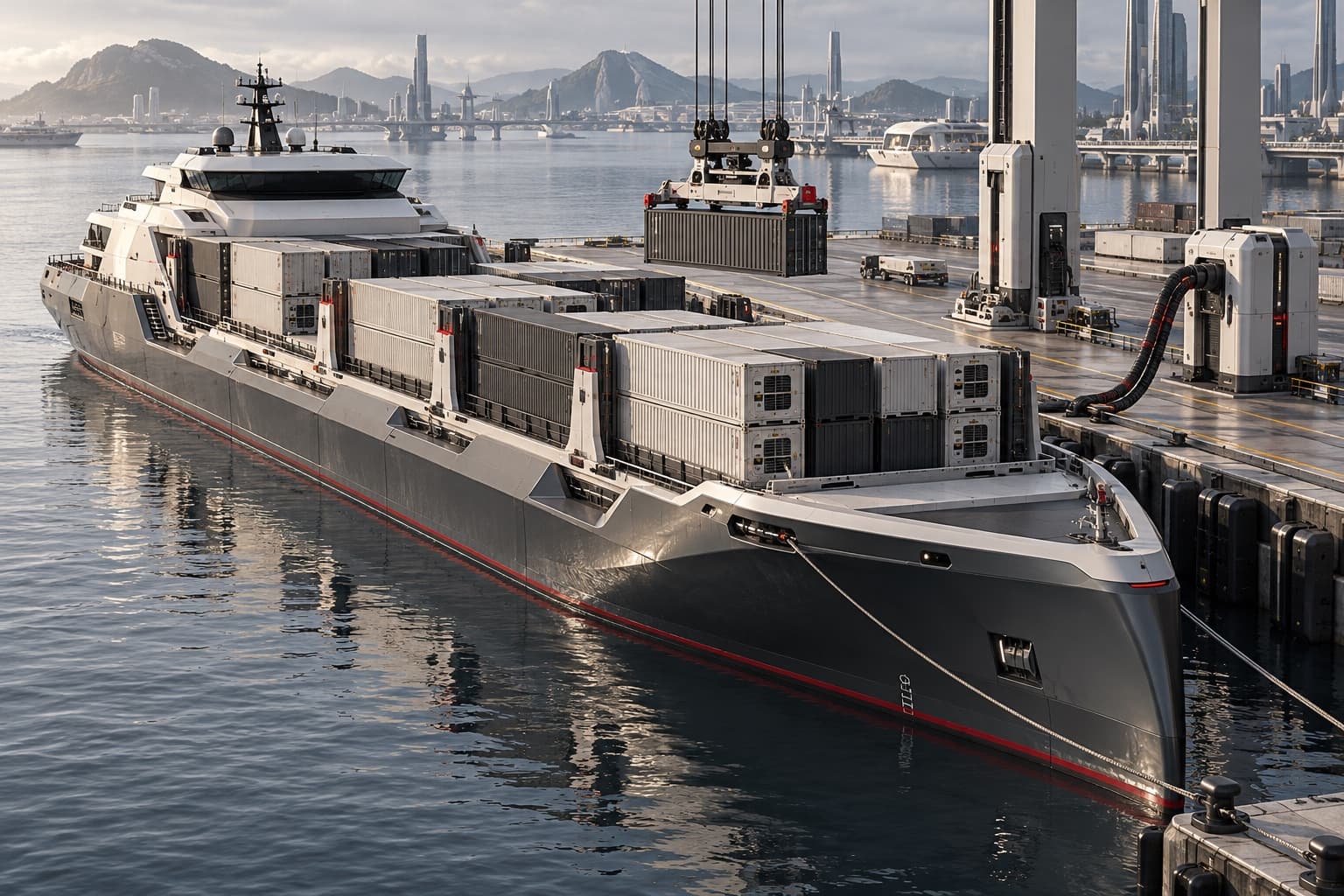
LOS ANGELES — Segal Industries is publishing an expanded introduction to Segal Navy, bringing its programs and engineering priorities into a connected public overview. The introduction is designed for readers moving from a broad area of interest to a specific technical discussion. The maritime introduction presents the vessel together with the waters, ports and shore team that define its work. A coastal freight route, a laboratory mission and a floating habitat call for different arrangements of cargo, occupancy and utilities. The overview makes those distinctions explicit while showing the common responsibilities that connect naval architecture, power, supervision and the practical work carried out alongside.
The work inside the division
Modular cargo and hybrid-electric power follow the route, the load, the endurance, and the port. Laboratory ships and floating habitats bring the lab, the occupancy, and the utilities into the hull. Drydock configures the hull. Helm sails it. Tideline runs the fleet from shore.
The introduction uses the division’s development sequence to organize that work: establish mission, loading, and environmental cases; compare hull, propulsion, deck, and utility arrangements; and define verification, classification and operating requirements. The intended output is the vessel, with system interfaces and validation requirements.
The interfaces around the system
The scope connects with Segal Energy to size propulsion, hotel loads, energy storage, and shore power for the vessel. The scope connects with Segal Robotics to run supervised navigation, deck handling, sensor coverage, and safe loss-of-link behavior. The scope connects with Segal Development to coordinate access, occupancy, utilities, and maintenance for the habitat.
Proposed deliverables include the arrangement for the freight, laboratory, or habitation mission; propulsion, utility, autonomy and shore-interface requirements considered together; a design-review and verification plan addressing classification and operating conditions. These establish a practical basis for discussing the work and the evidence it should produce.
Beginning a technical conversation
The waters, the load or the occupancy, the endurance, and the port define the vessel. Stability, classification, environmental conditions and operator responsibilities guide the development and validation plan.
The published introduction links to the Segal Navy program directory and its individual system descriptions. Readers can use those pages to identify the relevant scope, then bring the requirements of their own project into the discussion. This publication introduces the portfolio and its development questions; project-specific specifications and responsibilities are established through the applicable review.