· Segal Industries
Look Beyond The Flight
An aircraft is part of a journey that begins before takeoff and continues after landing. Freight must reach the departure point, people must prepare the vehicle, and energy must be available when it returns. A capable airframe can still be constrained by the place where it operates. Segal Aeronautics treats those ground activities as part of the product discussion, bringing the route, payload, aircraft, and ground turn into a common view from the beginning.
Let The Route Shape The Vehicle
A remote worksite, an island corridor, and a regional passenger route ask different things of an aircraft. They change the available landing area, cargo handling, weather exposure, and support arrangements. Lift architecture should follow those conditions. The Lift, Vigil, Transit, and Apex families express different roles within that broader aerial picture. Their differences matter because an aircraft becomes useful through a particular operating environment, with a defined task and a team prepared to support it.
Account For Every Interface
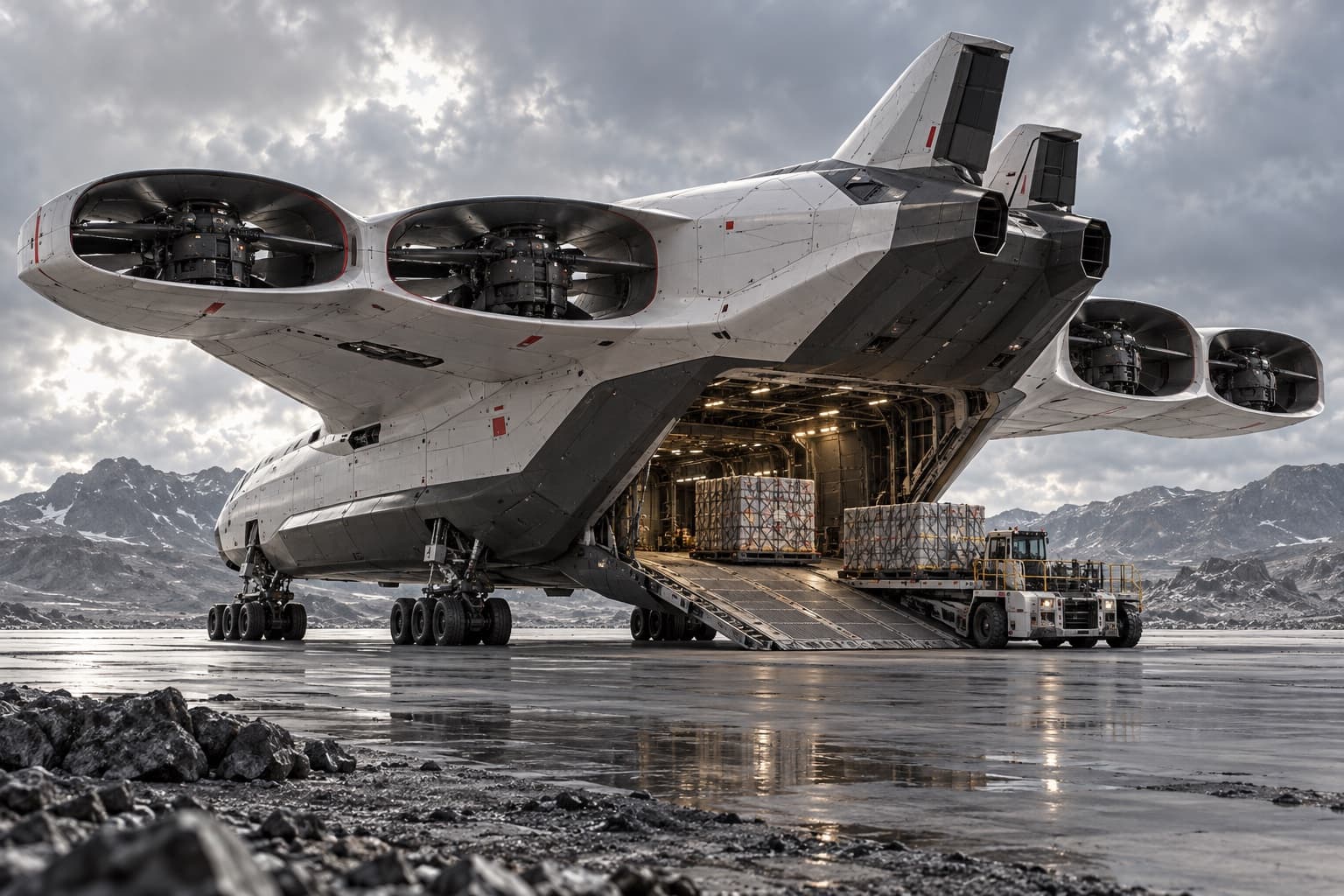
A cargo bay is an interface between a transport system and the equipment waiting on the ground. Dimensions, access, restraint, loading sequence, and turnaround space deserve attention alongside payload mass. Passenger operations add boarding, baggage, accessibility, and service requirements. Persistent sensing brings its own connections between an instrument, an operator, and a receiving network. Describing those interfaces carefully makes the mission easier to evaluate and exposes assumptions that a headline specification can leave hidden.
Give Autonomy An Operating Context
Autonomy needs to fit the responsibilities of the people supervising a flight. The operator must understand the vehicle's state, the actions it is taking, and the conditions requiring intervention. Communications and contingency behavior belong in that same conversation. Vector represents the aircraft control side of this systems view, while the surrounding planning and configuration work establishes what the aircraft is being asked to do. Clear responsibilities support better decisions across both development and operation.
Design The Ground Turn
Charging or fueling, inspection, maintenance access, cargo exchange, and dispatch all affect the rhythm of a route. The ground turn connects those activities into the next departure. It deserves its own equipment, procedures, and information. Hangar's configuration role and the wider ground systems discussion help connect the aircraft specification with that practical setting. The aim is a coherent movement of people or goods, with the vehicle and its support designed around the same service.
Expand What A Route Can Mean
New aerial systems create an opportunity to reconsider where useful transport and sensing can begin. That ambition becomes stronger when the details remain visible: who loads the aircraft, how energy reaches the site, who supervises the mission, and what happens when conditions change. Those questions guide a serious technical engagement. We want the possibilities of advanced flight to be matched by the care applied to the infrastructure and human work that surround every mission.