· Segal Industries
Pursue The Whole System
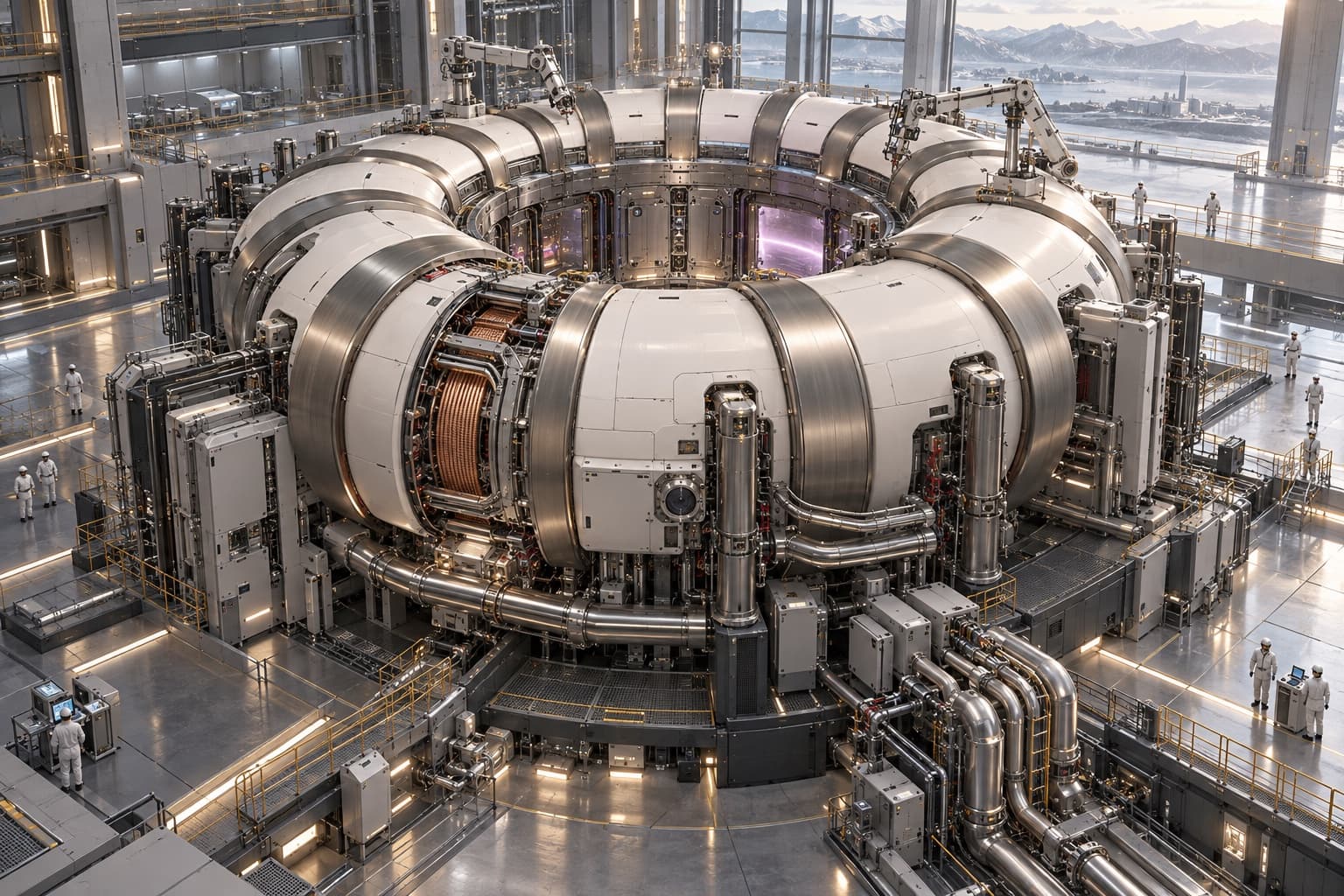
Advanced energy development asks engineers to hold many connected questions at once. Physical processes, materials, electrical systems, measurement, control, and maintenance influence one another throughout the architecture. Segal Energy approaches that work as a system to be understood and developed through evidence. The ambition is substantial, and it gives each interface a practical importance. A machine's usefulness will depend on how its parts behave together and on whether the surrounding infrastructure can support the operating conditions required by the design.
Make The Physical Relationships Visible
An energy system contains flows of power, heat, material, and information. Following those flows helps a team understand where a decision in one area affects another. Equipment placement may influence access and thermal behavior. A measurement may depend on an installation detail. A control action may be limited by the hardware available to carry it out. Mapping those relationships gives development teams a clearer account of the architecture and helps them identify the questions that need focused investigation.
Give Measurement A Job
Instrumentation should support a question the engineering team needs to answer. That question determines where information is collected, how it is recorded, and how the result is interpreted. A useful measurement plan connects the physical condition being observed with a development or operating decision. It also records the limitations of the equipment and the circumstances of the test. This discipline helps preserve the value of the evidence when the machine changes and a later team returns to understand what was learned.
Connect Control With Equipment
The Plasma Control Suite sits within Segal Energy's wider development interests because control connects the behavior of a physical system with the actions available to influence it. That connection depends on sensing, timing, equipment response, and a clear understanding of the intended operating conditions. The software and hardware must therefore be developed in conversation. A convincing interface can help an engineer understand the system, while the actual performance of the control approach must be established through appropriate technical work.
Keep Maintenance In The Design
Development hardware needs inspection, adjustment, replacement, and access for the people carrying out the work. Those activities should influence the architecture before the equipment becomes difficult to reach. A service connection or removable assembly can affect how a test program proceeds and what can be learned from a change. Considering maintenance early also helps teams describe responsibilities and procedures, connecting the engineering ambition with the practical environment in which equipment will be assembled, examined, and improved over time.
Let Evidence Set The Next Step
Programs such as Helix-0 provide a subject around which these engineering questions can be organized. Progress requires clear requirements, an appropriate test plan, and careful interpretation of the results. Each step should establish what the next step can responsibly ask of the system. We see that discipline as essential to an ambitious energy future: bold physical engineering pursued through work that makes its assumptions, dependencies, and findings clear enough for others to evaluate and build upon.