· Segal Industries
Begin With The Installation
A device reaches its purpose through a place and a person. Someone mounts it, connects it, configures it, and decides whether it is working. That first encounter shapes the experience of the system long after the packaging has been opened. Segal Electronics looks at network equipment, sensing, security, and displays through this practical setting. The enclosure, interfaces, software, and installation process belong to the same product, with each helping the user understand what the device is supposed to do.
Make The Connection Understandable
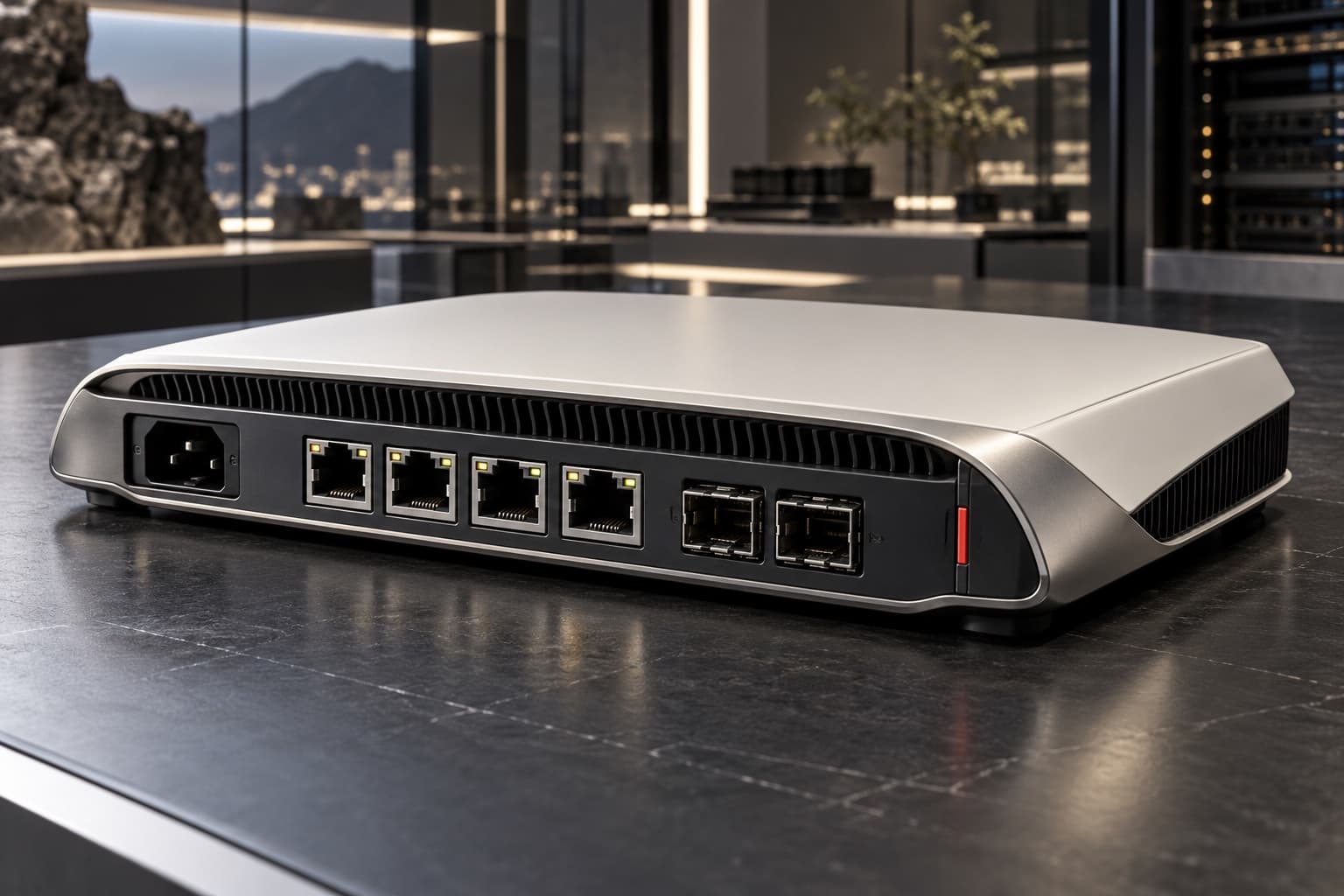
Power and network connections need to fit the environment in which a device is used. Connector access, cable routing, mounting orientation, and identification affect how easily a system can be installed and serviced. Those details also influence the surrounding equipment and the work required on site. A gateway becomes part of a larger network as soon as it is connected. Its design should make that relationship clear to the installer and to the person who will later be asked to diagnose a problem.
Give Measurements A Context
A sensor reading becomes useful when someone understands what was measured, where the device was placed, and how the result relates to an action. Placement and calibration requirements deserve the same attention as the interface displaying the value. Devices used in buildings or industrial settings may also depend on equipment supplied by other teams. Recording those relationships helps preserve the meaning of a reading as a system grows, changes ownership, or receives maintenance over its operating life.
Design For Ongoing Attention
A camera, display, or control device may remain in place while the people responsible for it change. Clear identification, configuration records, update procedures, and service access help the next person understand the installation. The product should support that continuity. Hardware design and interface design can work together to make ordinary tasks easier to perform correctly, from checking a connection to replacing a unit while preserving the information needed by the surrounding system and its operator.
Connect Devices Into A System
A collection of connected products needs a clear account of which device performs which role. Network gateways, sensors, security equipment, and displays exchange information across boundaries that need to remain understandable. Shared design principles can help the products feel coherent while their functions stay distinct. We want that coherence to extend beyond appearance into naming, configuration, documentation, and maintenance, so a person working across the system can carry useful knowledge from one device to the next.
Respect The Person On Site
The quality of an electronic product is experienced through ordinary work. A mounting detail, a readable status, or an accessible connection can influence the time and care an installation requires. Those details deserve deliberate design. An effective brief therefore describes the location, users, interfaces, environmental conditions, and support arrangements alongside the intended function. That is how advanced electronics can become practical equipment: technology shaped around the physical setting and the people who bring it into service.