· Segal Industries
Begin With The Experience
An audience encounters a place, a sequence, and a feeling. Behind that encounter is a collection of creative and technical decisions that must work together at the right time. Segal Media approaches production through the connection between the story being told and the physical systems that make it present. Art direction, scenery, light, sound, moving equipment, and software each contribute to the experience. Their relationship gives the production its character and gives the team a shared purpose for the work.
Let The Space Participate
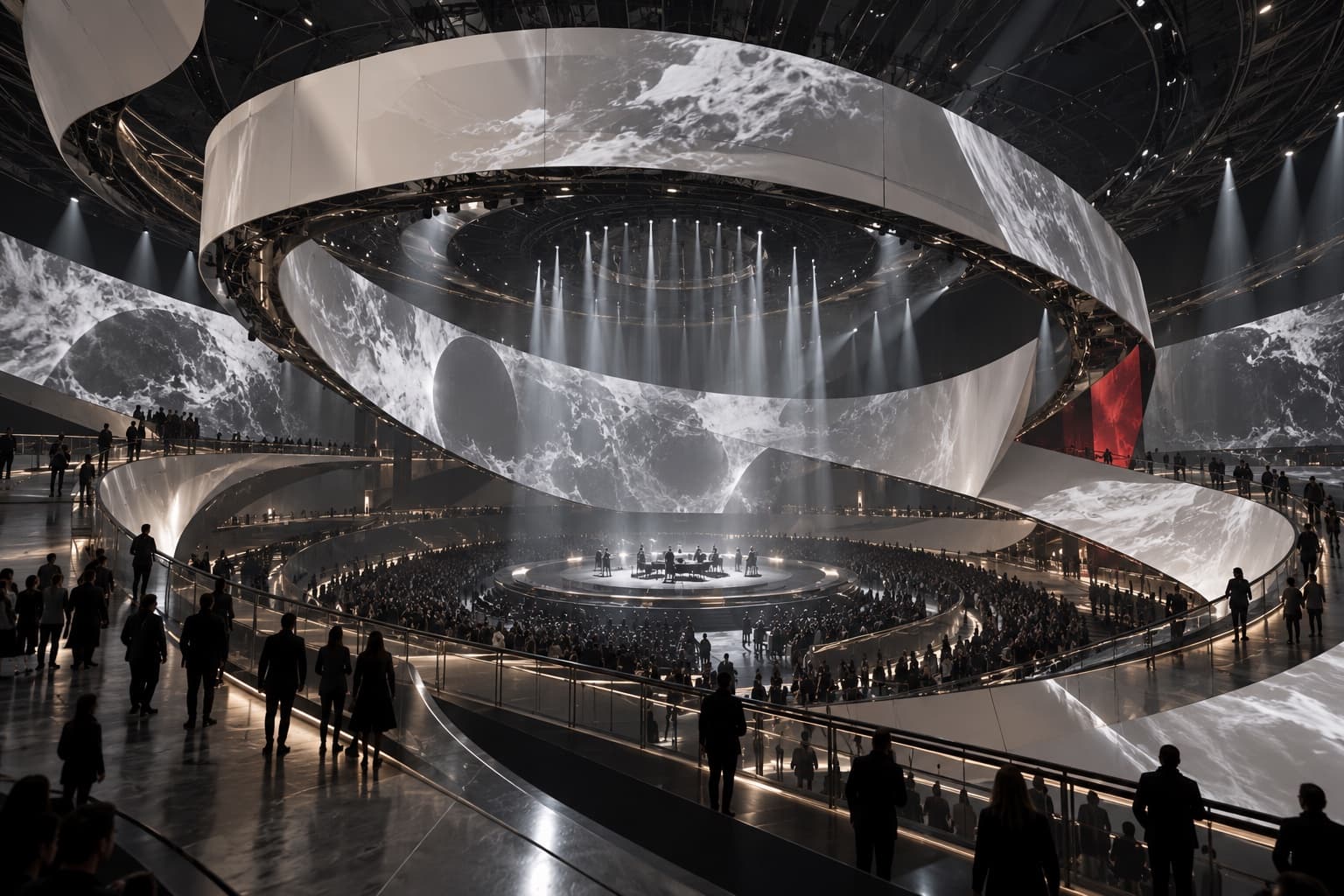
A venue shapes how people arrive, move, see, listen, and respond. Its dimensions and access influence the equipment and the arrangement of a production. Designing with the space means considering both the audience's view and the work happening around it. Scenery and lighting can direct attention, while sound and timing can connect one moment to the next. Those choices become more effective when the creative team and the technical team are working from the same understanding of the place.
Connect Direction With Production
Art direction establishes a visual and emotional intention that must travel into practical decisions. Materials, camera positions, editing, lighting states, and the order of production all influence how that intention reaches the finished work. A clear process preserves the relationship between the desired experience and the resources available to build it. Segal Productions and Stagecraft describe complementary parts of this field, bringing media production and physical presentation into conversation rather than treating them as unrelated outputs from separate teams.
Give The Show A Working Record
A production needs information that can be used under pressure. Equipment, cues, responsibilities, venue details, and changes must remain understandable to the people carrying out the work. Showrunner's planning role follows that need for a shared operating picture. A useful record helps a team prepare, rehearse, review, and adjust the sequence. It also preserves context when a different person steps into a role, giving them a clearer account of what should happen and which part of the production they are responsible for.
Build The Transition Between Moments
The audience experiences continuity, even when many systems are changing behind the scenes. A transition may involve light, sound, scenery, video, movement, and the timing of people. Designing that moment requires attention to both creative rhythm and technical coordination. Rehearsal gives the team a place to evaluate the interaction and refine the sequence. The experience becomes stronger when the change is considered as a complete moment, with each contributing system supporting the same direction and the same practical timing.
Keep The Sense Of Possibility
Immersive work begins with the willingness to transform an ordinary setting into something that feels larger. It becomes real through planning, construction, coordination, and care for the people who experience and operate it. That combination has a personal history in Kevin Segal's childhood interest in Halloween environments and a continuing place in his work across art direction, photography, and production. We see media as a field where engineering and imagination can meet directly, giving a carefully built experience the power to make an audience look again.