· Segal Industries
A Mission Begins On The Ground
A spacecraft begins with a question someone needs answered, a connection someone needs maintained, or a destination someone intends to reach. That purpose gives the hardware its shape. Payload mass, observation geometry, available power, and the timing of a ground contact all belong to the same mission. Segal Aerospace approaches that whole arc as an engineering responsibility, connecting the vehicle in orbit with the people and infrastructure that make its work useful.
The Payload Sets The Terms
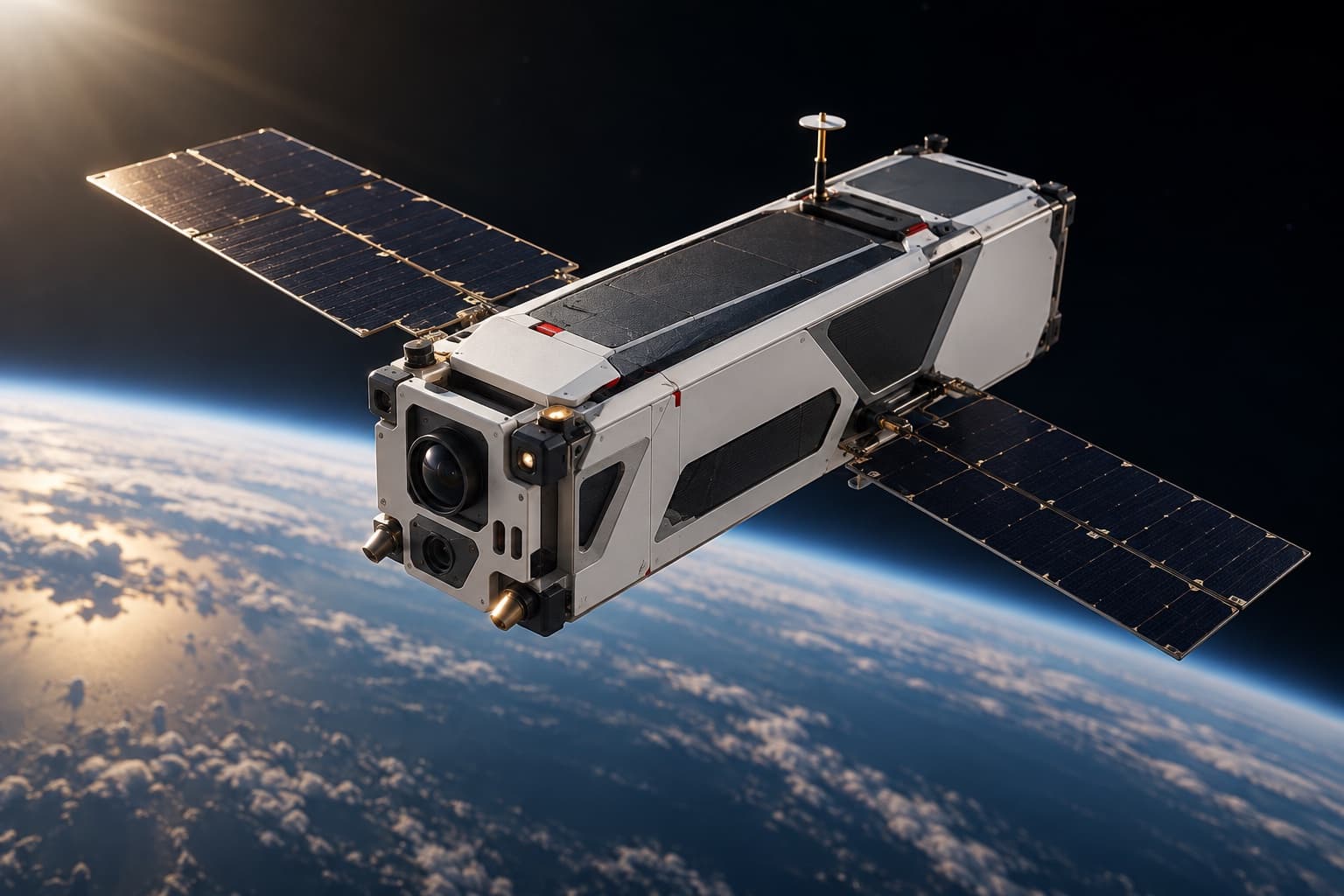
The instrument or communications package establishes demands that travel through the spacecraft. A camera needs a stable line of sight and an appropriate thermal environment. A communications payload brings its own power, pointing, and data requirements. Those demands affect structure, electrical distribution, heat rejection, and software together. The SF spacecraft family provides a framework for discussing these relationships, with bus selection following the mission rather than becoming an assumption made before the payload is understood.
Launch Belongs Inside The Architecture
A launch campaign influences the design well before a vehicle reaches the pad. Mechanical interfaces, separation arrangements, environmental loads, and the intended orbit shape decisions throughout development. Integration also introduces schedules, documentation, and coordination between organizations. Keeping those questions connected helps a team understand the consequences of a change. A different launch opportunity can affect more than a date; it can alter the spacecraft configuration, mission sequence, and verification work required before flight.
Software Continues The Design
The mission keeps evolving after deployment through the decisions its software can make and the interventions its operators can perform. Flight software, fault management, and ground tools therefore need a shared understanding of the vehicle. Telemetry must support an actual operating decision. Recovery procedures must reflect the hardware that is present. An architecture becomes stronger when the people designing those procedures can follow a requirement from the payload through the spacecraft and into the operations interface.
Infrastructure Opens The Next Horizon
Crew modules, stations, orbital transfer vehicles, and surface nodes extend this thinking into larger systems. Each introduces people, logistics, maintenance, and interfaces that persist beyond a single maneuver. Their value depends on what can connect to them and how they can be supported. The ambition behind programs such as Keystone and the node family is to explore that continuity: a path from individual vehicles toward infrastructure that gives future missions a more capable place to begin.
Build The Complete Conversation
A useful first discussion brings together the objective, payload, target orbit, expected lifetime, and operating responsibilities. It also records the questions that remain open. That foundation gives a technical team something precise to develop and a customer something meaningful to evaluate. The future of space development will require extraordinary machines, and it will also require clear agreements between them. We see that combination of physical engineering and connected responsibility as central to the work ahead.